


(Affordable Price)
May 25, 2023
Generic medicines are pharmaceutical drugs that are produced and marketed without a brand name. They contain the same active ingredients as their branded counterparts and are designed to have the same dosage form, strength, route of administration, and intended use. The main difference between generic and branded medicines lies in their pricing, appearance, and packaging.
When a pharmaceutical company develops a new drug, it usually applies for a patent to protect its exclusive rights to manufacture and sell that drug for a certain period of time. Once the patent expires, other manufacturers can produce and sell generic versions of the drug. These generic drugs are often sold at a lower price than the brand-name versions because the manufacturers do not have the same research, development, and marketing costs.
The production of generic medicines requires adherence to strict quality and safety standards set by regulatory authorities. In most countries, generic drugs must demonstrate bioequivalence to the original brand-name drug, meaning that they deliver the same amount of active ingredient into the bloodstream within a certain range. This ensures that generic medicines have similar efficacy and safety profiles as their branded counterparts.
For further information
please contact: info@sterispharma.com
Call : 8209542042
Visit : sterisonline.com
Recent Post
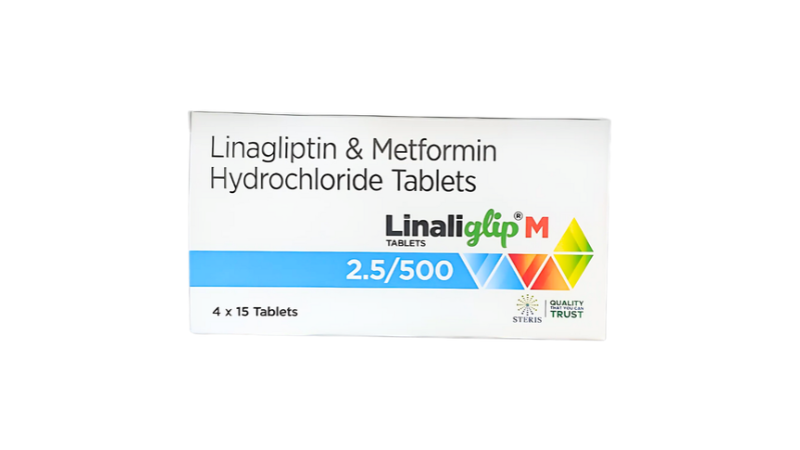
How Do Linagliptin and Metformin Work Together to Manage Type 2 Diabetes?
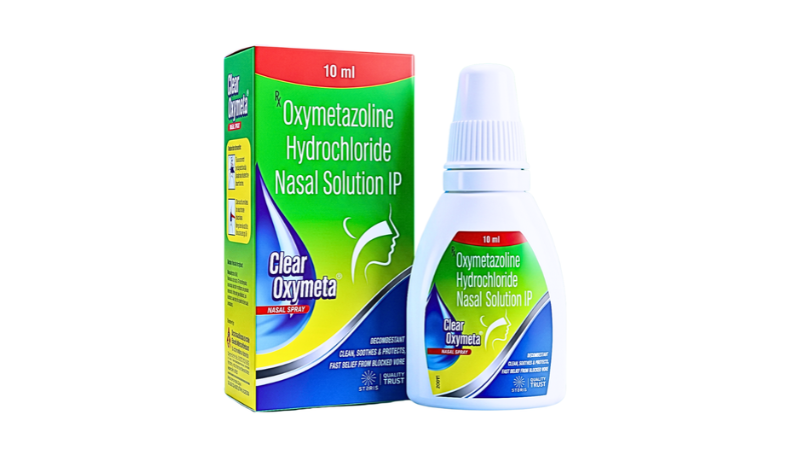
Oxymetazoline Nasal Solution: A Complete Guide to Uses and Safety

What Are Methylcobalamin Sublingual Tablets 1500 mcg Used For?
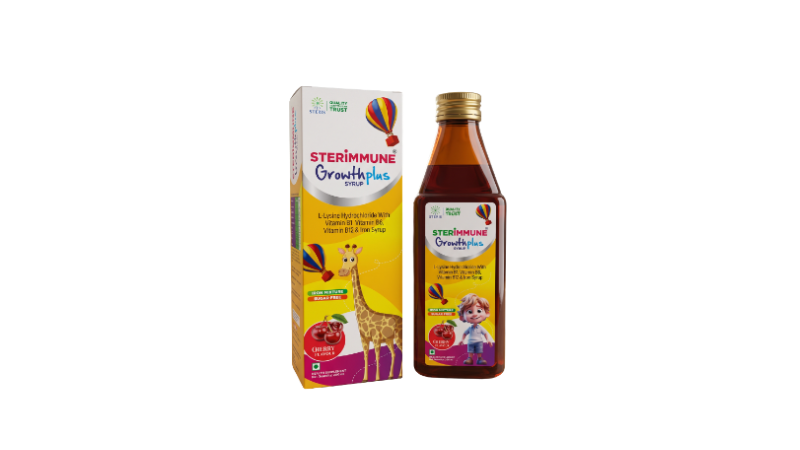
L Lysine Hydrochloride Syrup: Uses, Benefits, Dosage and Side Effects
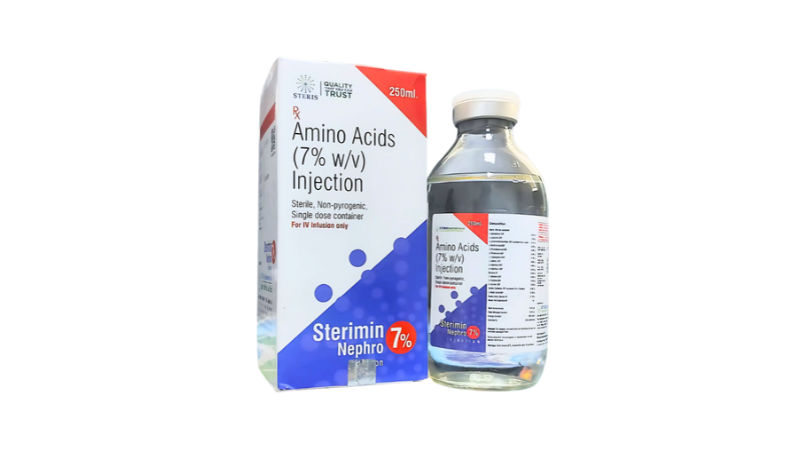
What Is Amino Acids Injection Used For?
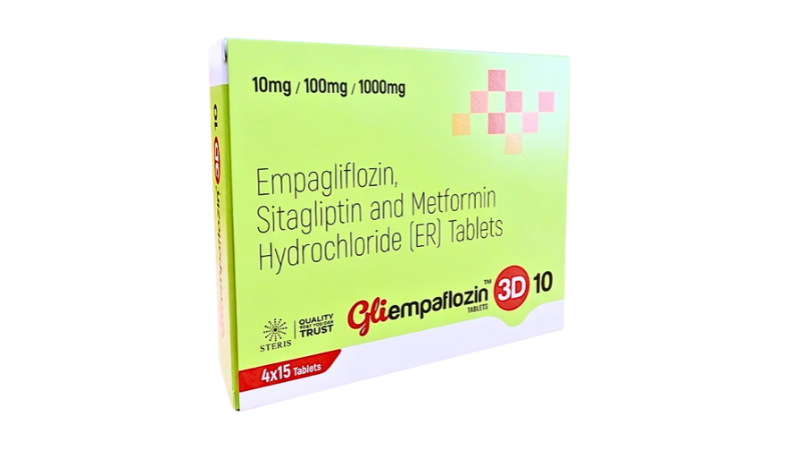
How Do Empagliflozin, Sitagliptin, and Metformin Work Together?
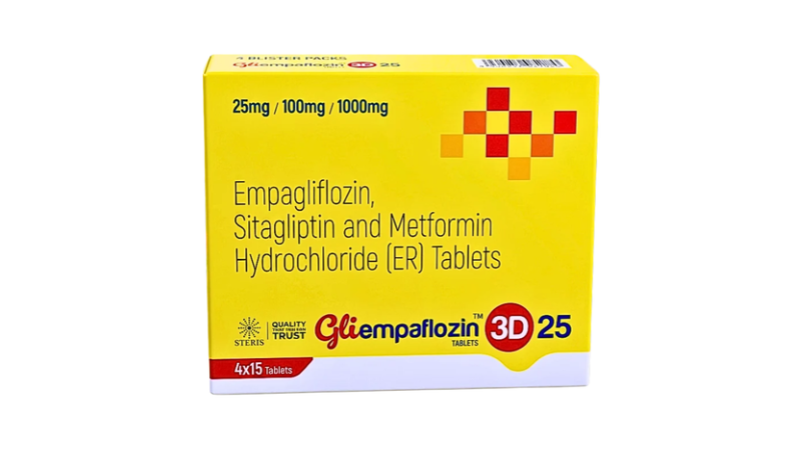
Empagliflozin, Sitagliptin, and Metformin: Uses, Benefits, and Side Effects
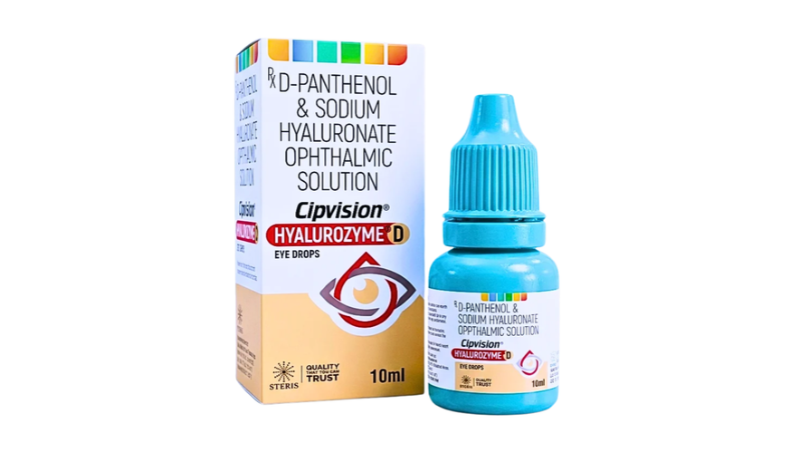
D-Panthenol and Sodium Hyaluronate Eye Drops: Uses and Precautions
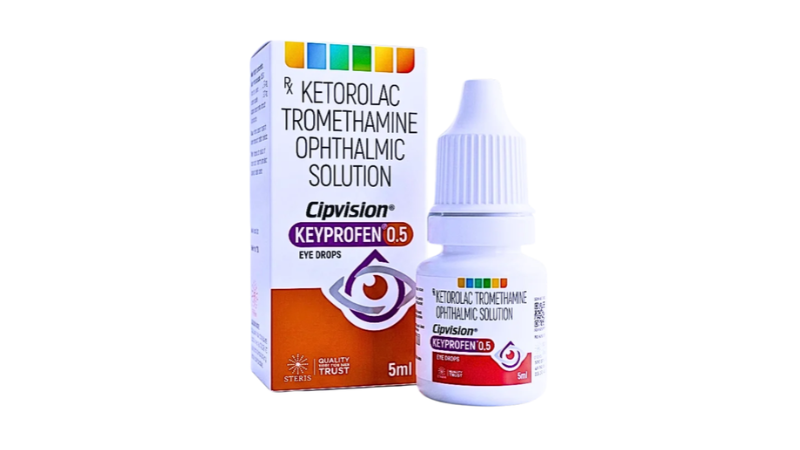
How Do Ketorolac Tromethamine Eye Drops Work?
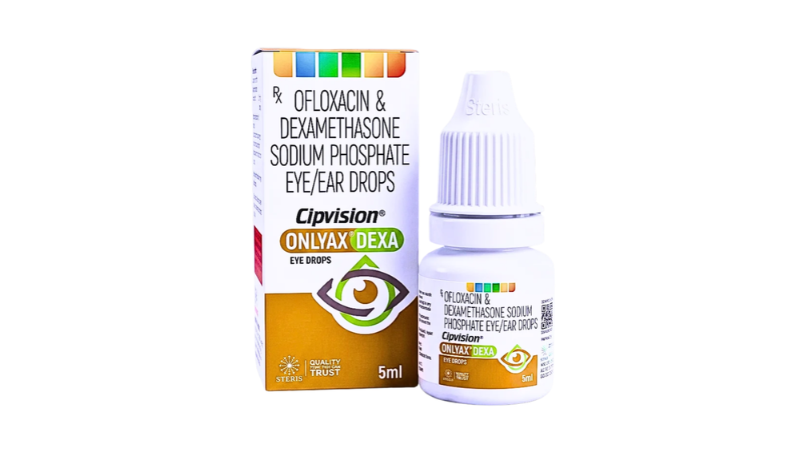
Ofloxacin and Dexamethasone Eye Drops: Uses, Benefits, and Side Effects

