


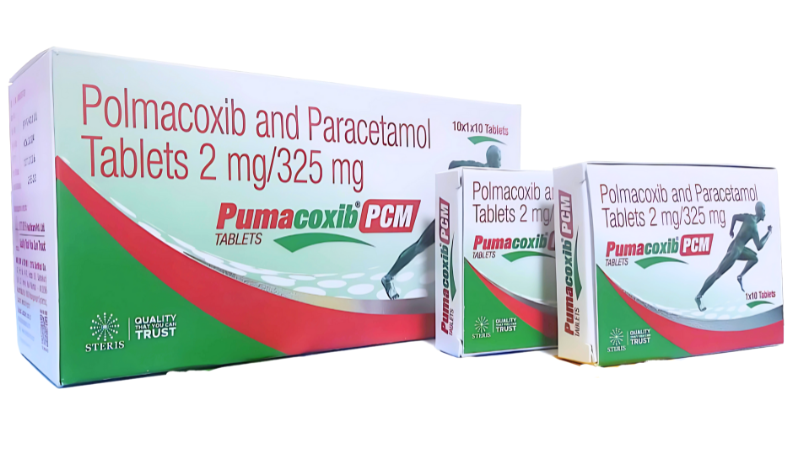



Comprehensive Guide to Pumacoxib PCM: Usage, Benefits, and Side Effects
Jan 13, 2025
PUMACOXIB PCM: Complete Guide to Polmacoxib and Paracetamol Combination for Pain Relief
Introduction to PUMACOXIB PCM
PUMACOXIB PCM is an advanced pharmaceutical formulation developed by Steris Healthcare that combines the therapeutic benefits of Polmacoxib (2mg) and Paracetamol (325mg). This innovative combination medication is designed to provide effective relief from pain and inflammation while minimizing potential side effects commonly associated with traditional pain relievers.
In today's fast-paced world, managing pain effectively is crucial for maintaining quality of life. Whether you're dealing with chronic conditions like osteoarthritis or acute pain from injuries, PUMACOXIB PCM offers a scientifically formulated solution that addresses both pain and inflammation through a dual-action mechanism.
Understanding the Components of PUMACOXIB PCM
Polmacoxib (2mg): The COX-2 Selective Inhibitor
Polmacoxib is a next-generation nonsteroidal anti-inflammatory drug (NSAID) that belongs to the class of selective cyclooxygenase-2 (COX-2) inhibitors. This sophisticated compound was specifically developed to target inflammation and pain while reducing the gastrointestinal side effects typically associated with conventional NSAIDs.
How Polmacoxib Works:
The mechanism of action of Polmacoxib involves selective inhibition of the COX-2 enzyme, which plays a crucial role in the inflammatory process. When tissues are damaged or inflamed, COX-2 is produced in increased amounts, leading to the synthesis of prostaglandins that cause pain, swelling, and inflammation. By specifically targeting COX-2, Polmacoxib effectively reduces these inflammatory responses without significantly affecting COX-1, an enzyme that protects the stomach lining and maintains normal kidney function.
This selectivity is what makes Polmacoxib particularly valuable in pain management, as it offers the anti-inflammatory benefits of traditional NSAIDs while potentially reducing the risk of gastrointestinal complications.
Paracetamol (325mg): The Trusted Analgesic and Antipyretic
Paracetamol, also known as acetaminophen, is one of the most widely used and trusted medications worldwide for pain relief and fever reduction. With decades of clinical use and an excellent safety profile when used as directed, Paracetamol has become a cornerstone in pain management protocols.
The Role of Paracetamol in PUMACOXIB PCM:
Paracetamol works primarily in the central nervous system to reduce pain perception and lower fever. While its exact mechanism isn't completely understood, it's believed to inhibit prostaglandin synthesis in the brain and act on pain pathways. The 325mg dosage in PUMACOXIB PCM is carefully calibrated to provide optimal pain relief while maintaining safety margins.
What makes Paracetamol particularly valuable in this combination is its complementary action to Polmacoxib. While Polmacoxib targets peripheral inflammation, Paracetamol works centrally to modulate pain signals, creating a comprehensive pain management approach.
The Synergistic Benefits of Combination Therapy
The combination of Polmacoxib and Paracetamol in PUMACOXIB PCM represents a strategic pharmaceutical approach known as combination therapy. This method leverages the unique properties of each component to achieve superior pain relief compared to either medication alone.
Enhanced Pain Relief
By combining two medications with different mechanisms of action, PUMACOXIB PCM provides more comprehensive pain control. The peripheral anti-inflammatory action of Polmacoxib addresses the root cause of pain at the site of inflammation, while Paracetamol's central action modulates how the brain perceives pain signals. This dual approach means that pain is tackled from multiple angles simultaneously.
Reduced Side Effect Profile
One of the most significant advantages of this combination is the potential for lower doses of each individual component. By using Polmacoxib at 2mg and Paracetamol at 325mg, PUMACOXIB PCM can achieve effective pain relief while potentially minimizing the side effects that might occur with higher doses of either medication used alone.
Faster Onset of Action
The combination formulation allows for quicker pain relief. While Polmacoxib begins addressing inflammation, Paracetamol can provide more immediate pain relief, offering patients faster symptom control.
Therapeutic Indications for PUMACOXIB PCM
PUMACOXIB PCM is indicated for various conditions characterized by pain and inflammation. Understanding these indications helps patients and healthcare providers make informed decisions about treatment options.
Osteoarthritis Management
Osteoarthritis is a degenerative joint disease affecting millions worldwide. PUMACOXIB PCM is particularly effective for managing osteoarthritis-related pain and inflammation in joints such as knees, hips, hands, and spine. The anti-inflammatory properties of Polmacoxib help reduce joint swelling and stiffness, while Paracetamol addresses the pain component, improving mobility and quality of life for patients.
Rheumatoid Arthritis Symptoms
For patients with rheumatoid arthritis, PUMACOXIB PCM can provide symptomatic relief from joint pain, swelling, and morning stiffness. While not a disease-modifying agent, it effectively manages the inflammatory symptoms that significantly impact daily functioning.
Musculoskeletal Pain
Whether from sports injuries, muscle strains, or general musculoskeletal discomfort, PUMACOXIB PCM offers effective relief. The combination is ideal for managing acute injuries as well as chronic musculoskeletal conditions.
Post-Operative Pain
Following surgical procedures, managing pain is crucial for recovery. PUMACOXIB PCM can be an effective component of post-operative pain management protocols, helping patients recover more comfortably.
Dental Pain
Dental procedures and conditions often involve significant inflammation and pain. PUMACOXIB PCM provides effective relief for various dental-related pain conditions.
Headaches and Migraines
For tension headaches and certain types of migraines, particularly those with an inflammatory component, PUMACOXIB PCM may provide relief through its dual mechanism of action.
Dosage and Administration Guidelines
Proper dosage and administration are crucial for maximizing the benefits of PUMACOXIB PCM while minimizing potential risks. Always follow your healthcare provider's instructions and the guidance provided by Steris Healthcare.
Standard Dosage
The typical recommended dosage is one tablet of PUMACOXIB PCM (containing Polmacoxib 2mg and Paracetamol 325mg) taken as directed by your physician. The frequency of administration will depend on your specific condition and pain management needs.
Administration Instructions
- Take PUMACOXIB PCM with food or milk to minimize potential gastrointestinal discomfort
- Swallow tablets whole with a full glass of water
- Do not crush, chew, or break the tablets unless specifically instructed by your healthcare provider
- Take at regular intervals as prescribed to maintain consistent pain control
- Do not exceed the recommended dosage without consulting your doctor
Duration of Treatment
The duration of treatment with PUMACOXIB PCM varies based on the condition being treated. For acute pain, short-term use may be sufficient, while chronic conditions may require longer-term management under medical supervision. Regular follow-ups with your healthcare provider are essential to assess treatment effectiveness and adjust as needed.
Safety Profile and Precautions
Understanding the safety profile of PUMACOXIB PCM helps ensure appropriate use and minimizes potential risks.
Who Should Not Take PUMACOXIB PCM
Certain individuals should avoid PUMACOXIB PCM or use it only under close medical supervision:
- Patients with known hypersensitivity to Polmacoxib, Paracetamol, or other NSAIDs
- Individuals with active peptic ulcer disease or gastrointestinal bleeding
- Patients with severe liver or kidney impairment
- Those with a history of cardiovascular disease or stroke
- Pregnant women, especially in the third trimester
- Individuals with aspirin-sensitive asthma
Important Precautions
When using PUMACOXIB PCM, consider the following precautions:
Cardiovascular Considerations: COX-2 inhibitors may be associated with an increased risk of cardiovascular events in certain populations. Discuss your cardiovascular risk factors with your healthcare provider.
Gastrointestinal Health: While Polmacoxib is designed to be gentler on the stomach than traditional NSAIDs, gastrointestinal side effects can still occur. Report any persistent stomach pain, black stools, or blood in vomit immediately.
Liver Function: Paracetamol is metabolized by the liver. Patients with liver disease or those who consume alcohol regularly should use PUMACOXIB PCM with caution and under medical supervision.
Kidney Function: NSAIDs can affect kidney function, particularly in patients with pre-existing kidney disease or those taking certain medications. Regular monitoring may be necessary.
Drug Interactions: PUMACOXIB PCM may interact with various medications, including blood thinners, other NSAIDs, certain blood pressure medications, and more. Always inform your healthcare provider about all medications and supplements you're taking.
Potential Side Effects
Like all medications, PUMACOXIB PCM may cause side effects in some individuals. Most side effects are mild and transient, but awareness of potential reactions is important.
Common Side Effects
These side effects occur relatively frequently but are usually mild:
- Nausea or upset stomach
- Indigestion or heartburn
- Dizziness or headache
- Mild stomach pain
- Constipation or diarrhea
Less Common Side Effects
These effects occur less frequently but should be monitored:
- Swelling in the legs or feet
- Elevated blood pressure
- Skin rash or itching
- Fatigue or weakness
- Sleep disturbances
Serious Side Effects Requiring Immediate Medical Attention
Seek immediate medical care if you experience:
- Signs of allergic reaction (difficulty breathing, swelling of face or throat, severe rash)
- Chest pain or signs of heart attack
- Severe abdominal pain or black, tarry stools
- Yellowing of skin or eyes (jaundice)
- Unusual bleeding or bruising
- Sudden vision changes or severe headache
Storage and Handling
Proper storage of PUMACOXIB PCM ensures medication efficacy and safety:
- Store at room temperature between 15-30°C (59-86°F)
- Keep in original packaging away from moisture and direct sunlight
- Store out of reach of children and pets
- Do not use after the expiration date printed on the package
- Do not transfer to unmarked containers
- Dispose of expired or unused medication properly according to local regulations
Why Choose PUMACOXIB PCM from Steris Healthcare
Steris Healthcare is committed to delivering high-quality pharmaceutical products that meet international standards of safety and efficacy. PUMACOXIB PCM represents this commitment through:
Quality Assurance
Every batch of PUMACOXIB PCM undergoes rigorous quality control testing to ensure consistent composition, purity, and efficacy. Steris Healthcare's manufacturing facilities comply with Good Manufacturing Practices (GMP) and international pharmaceutical standards.
Research and Development
The formulation of PUMACOXIB PCM is backed by extensive research into combination therapy for pain management. Steris Healthcare invests in ongoing research to continually improve product formulations and patient outcomes.
Patient-Centric Approach
Steris Healthcare understands that effective pain management is crucial for quality of life. PUMACOXIB PCM is formulated with patient needs in mind, balancing efficacy with safety to provide optimal therapeutic benefits.
Accessibility and Support
Steris Healthcare is dedicated to making PUMACOXIB PCM accessible to patients who need it, supported by comprehensive information and healthcare provider guidance.
Lifestyle Considerations While Using PUMACOXIB PCM
Maximizing the benefits of PUMACOXIB PCM involves more than just taking medication. Consider these lifestyle factors:
Diet and Nutrition
- Maintain a balanced diet rich in anti-inflammatory foods
- Stay well-hydrated throughout the day
- Limit alcohol consumption to reduce liver stress
- Consider taking the medication with food to minimize stomach upset
Physical Activity
- Engage in appropriate exercise as recommended by your healthcare provider
- Low-impact activities like swimming or walking can be beneficial for joint health
- Avoid activities that exacerbate pain or inflammation
- Listen to your body and rest when needed
Stress Management
- Chronic pain and stress often go hand-in-hand
- Practice stress-reduction techniques like meditation or deep breathing
- Maintain good sleep hygiene for better pain management
- Consider complementary therapies like physical therapy or acupuncture
The Science Behind Combination Therapy
Understanding why combination therapy works helps appreciate the sophistication of PUMACOXIB PCM:
Pharmacological Synergy
When Polmacoxib and Paracetamol are combined, they create a pharmacological synergy where the combined effect exceeds what either drug could achieve alone. This synergy occurs because:
- Different Targets: Each component acts on different pathways in pain and inflammation
- Complementary Actions: One addresses peripheral inflammation while the other modulates central pain perception
- Enhanced Efficacy: Lower doses of each component can be used while maintaining effectiveness
- Improved Tolerability: Reduced doses may mean fewer side effects compared to high-dose monotherapy
Clinical Evidence
Combination therapy for pain management is supported by substantial clinical evidence showing:
- Improved pain scores compared to single-agent therapy
- Better patient satisfaction and quality of life outcomes
- Reduced need for rescue medication
- Potentially lower incidence of certain side effects through dose reduction
Patient Success Stories and Clinical Outcomes
While individual results vary, many patients have experienced significant improvement in their pain management with PUMACOXIB PCM:
Patients with osteoarthritis report improved mobility and reduced joint stiffness, allowing them to resume daily activities with greater ease. Those managing post-operative pain often experience more comfortable recovery periods with adequate pain control. Individuals with chronic musculoskeletal conditions describe better overall quality of life and reduced impact of pain on their daily functioning.
These outcomes underscore the value of well-formulated combination therapy in comprehensive pain management strategies.
Future Perspectives in Pain Management
PUMACOXIB PCM represents current best practices in combination analgesic therapy, but the field of pain management continues to evolve. Steris Healthcare remains committed to:
- Advancing formulation technology for improved drug delivery
- Exploring new therapeutic combinations based on emerging research
- Enhancing patient education and support resources
- Collaborating with healthcare providers to optimize pain management protocols
Conclusion
PUMACOXIB PCM from Steris Healthcare offers a sophisticated approach to pain management through its carefully balanced combination of Polmacoxib (2mg) and Paracetamol (325mg). This formulation addresses both the inflammatory and pain components of various conditions, providing comprehensive relief while maintaining an acceptable safety profile.
Whether you're managing osteoarthritis, recovering from surgery, or dealing with musculoskeletal pain, PUMACOXIB PCM provides an effective therapeutic option backed by scientific research and quality manufacturing standards. As with any medication, the key to success lies in appropriate use under medical supervision, adherence to dosing guidelines, and open communication with your healthcare provider.
For patients seeking effective pain relief with a modern pharmaceutical approach, PUMACOXIB PCM represents a valuable addition to pain management strategies. Trust Steris Healthcare's commitment to quality, safety, and patient wellbeing in your journey toward better pain control and improved quality of life.
Frequently Asked Questions (FAQs)
1. What is PUMACOXIB PCM used for?
PUMACOXIB PCM is used for the management of pain and inflammation associated with various conditions including osteoarthritis, rheumatoid arthritis, musculoskeletal pain, post-operative pain, dental pain, and certain types of headaches. The combination of Polmacoxib and Paracetamol provides comprehensive pain relief through dual mechanisms of action.
2. How does PUMACOXIB PCM differ from regular painkillers?
PUMACOXIB PCM combines a selective COX-2 inhibitor (Polmacoxib) with Paracetamol, offering advantages over single-ingredient painkillers. This combination targets pain through multiple pathways: Polmacoxib addresses inflammation at its source, while Paracetamol modulates pain perception centrally. This dual approach often provides superior pain relief with potentially fewer side effects than higher doses of either medication alone.
3. Can I take PUMACOXIB PCM on an empty stomach?
While PUMACOXIB PCM can technically be taken on an empty stomach, it's generally recommended to take it with food or milk. Taking the medication with food helps minimize potential gastrointestinal discomfort and may improve absorption. If you experience stomach upset, always take it with meals.
4. How long does it take for PUMACOXIB PCM to work?
The onset of action varies between individuals and depends on the nature of the pain. Generally, you may start experiencing pain relief within 30 minutes to 1 hour after taking PUMACOXIB PCM. The full anti-inflammatory effects of Polmacoxib may take longer to develop, potentially requiring several days of consistent use for maximum benefit in chronic inflammatory conditions.
5. Can I take PUMACOXIB PCM with other medications?
PUMACOXIB PCM may interact with various medications including blood thinners (warfarin), other NSAIDs, aspirin, certain blood pressure medications (ACE inhibitors, diuretics), and others. Always inform your healthcare provider about all medications, supplements, and herbal products you're taking before starting PUMACOXIB PCM. Never combine with other products containing Paracetamol without medical advice.
6. Is PUMACOXIB PCM safe for long-term use?
The safety of long-term use depends on individual health factors and should be determined by your healthcare provider. While some patients may use PUMACOXIB PCM for extended periods under medical supervision, long-term use of NSAIDs and Paracetamol requires monitoring of liver function, kidney function, and cardiovascular health. Regular follow-up appointments are essential for anyone using PUMACOXIB PCM long-term.
7. What should I do if I miss a dose?
If you miss a dose of PUMACOXIB PCM, take it as soon as you remember, unless it's almost time for your next scheduled dose. In that case, skip the missed dose and resume your regular dosing schedule. Never take a double dose to make up for a missed one, as this increases the risk of side effects.
8. Can I drink alcohol while taking PUMACOXIB PCM?
It's advisable to limit or avoid alcohol consumption while taking PUMACOXIB PCM. Alcohol can increase the risk of gastrointestinal side effects from NSAIDs and can add to the liver stress caused by Paracetamol. Chronic or excessive alcohol use is a significant risk factor for Paracetamol-related liver damage. Discuss your alcohol consumption with your healthcare provider.
9. Is PUMACOXIB PCM safe during pregnancy and breastfeeding?
PUMACOXIB PCM is generally not recommended during pregnancy, especially in the third trimester, as NSAIDs can affect fetal development and complicate delivery. If you're pregnant, planning to become pregnant, or breastfeeding, consult your healthcare provider before using PUMACOXIB PCM. Alternative pain management options may be more appropriate during these periods.
10. What are the signs of an overdose?
Signs of PUMACOXIB PCM overdose may include severe nausea and vomiting, extreme drowsiness or confusion, stomach pain, loss of appetite, yellowing of skin or eyes (from Paracetamol toxicity), rapid breathing, or loss of consciousness. Paracetamol overdose is particularly serious and can cause severe liver damage. If you suspect an overdose, seek emergency medical attention immediately, even if symptoms haven't appeared yet.
11. Can children take PUMACOXIB PCM?
The safety and efficacy of PUMACOXIB PCM in children have not been established. This medication is typically prescribed for adult use. For pediatric pain management, consult a pediatrician who can recommend appropriate age-specific formulations and dosages.
12. How should I store PUMACOXIB PCM?
Store PUMACOXIB PCM at room temperature (15-30°C or 59-86°F) in its original packaging, away from moisture, heat, and direct sunlight. Keep the medication out of reach of children and pets. Do not use after the expiration date and dispose of expired medication properly according to local guidelines.
13. Will PUMACOXIB PCM affect my blood pressure?
NSAIDs, including Polmacoxib, can potentially affect blood pressure in some individuals. They may reduce the effectiveness of blood pressure medications and, in some cases, cause fluid retention that elevates blood pressure. If you have hypertension or cardiovascular disease, discuss these risks with your healthcare provider and monitor your blood pressure regularly while taking PUMACOXIB PCM.
14. Can I drive or operate machinery while taking PUMACOXIB PCM?
PUMACOXIB PCM may cause dizziness or drowsiness in some individuals. Until you know how the medication affects you, exercise caution when driving, operating machinery, or performing activities requiring alertness. If you experience significant dizziness or drowsiness, avoid these activities and consult your healthcare provider.
15. What makes PUMACOXIB PCM from Steris Healthcare different?
PUMACOXIB PCM from Steris Healthcare is manufactured according to strict quality standards and Good Manufacturing Practices (GMP). Steris Healthcare ensures consistent quality, purity, and efficacy across all batches through rigorous testing and quality control measures. The company's commitment to research, patient safety, and accessible healthcare makes PUMACOXIB PCM a trusted choice for pain management.
16. Are there any dietary restrictions while taking PUMACOXIB PCM?
There are no specific dietary restrictions while taking PUMACOXIB PCM, but maintaining a balanced, healthy diet is beneficial. Consider reducing inflammatory foods and increasing anti-inflammatory options like fruits, vegetables, and omega-3 fatty acids. Stay well-hydrated and limit excessive salt intake, which can contribute to fluid retention sometimes associated with NSAID use.
17. Can PUMACOXIB PCM be used for fever reduction?
While the Paracetamol component of PUMACOXIB PCM does have antipyretic (fever-reducing) properties, this combination medication is primarily formulated for pain and inflammation management. For simple fever without significant pain or inflammation, other Paracetamol-only products might be more appropriate. Consult your healthcare provider for the best fever management approach.
18. What should I tell my doctor before starting PUMACOXIB PCM?
Inform your healthcare provider about your complete medical history, including: any allergies to medications; history of stomach ulcers, bleeding, or gastrointestinal problems; heart disease, high blood pressure, or stroke; kidney or liver disease; asthma; bleeding disorders; and current medications and supplements. Also mention if you're pregnant, planning pregnancy, or breastfeeding, and discuss your alcohol consumption habits.
19. Can I stop taking PUMACOXIB PCM suddenly?
For short-term use, you can generally stop taking PUMACOXIB PCM without tapering when your pain resolves. However, if you've been taking it regularly for an extended period, discuss with your healthcare provider before stopping, as they may want to adjust your treatment plan gradually or monitor for any return of symptoms.
20. Where can I get more information about PUMACOXIB PCM?
For additional information about PUMACOXIB PCM, consult your healthcare provider or pharmacist. You can also visit the Steris Healthcare website for comprehensive product information, or contact their customer support team. Always rely on information from healthcare professionals and reputable sources like Steris Healthcare for medication guidance rather than unverified online sources.
If You Want Puchase The Product Click Here
Recent Post
Bethanechol chloride के उपयोग, खुराक और फायदे
Carbamazepine Tablet के फायदे, नुकसान और सही इस्तेमाल का तरीका

Lactobacillus Rhamnosus GG 6 Billion CFU: उपयोग और सावधानियां
Cinacalcet 60mg: उपयोग, खुराक, फायदे और साइड इफेक्ट्स – पूरी जानकारी
NIMONIDIP 60 : उपयोग, खुराक और सावधानियां
Efavirenz 600mg Tablet – उपयोग, साइड इफेक्ट्स और विकल्प
Caroverine Capsules 20mg – उपयोग, खुराक, साइड इफेक्ट्स और विकल्प
Bisoprolol 2.5 mg: उपयोग, फायदे, खुराक और साइड इफेक्ट्स
Methotrexate Tablet क्या है? उपयोग और सावधानियां
Losartan 50mg Tablet:उपयोग, खुराक और साइड इफेक्ट्स