





HYDROZOLIN 25: Side Effects, Uses, Interactions, and Alternatives......
Apr 16, 2024
HYDROZOLIN 25 is a prescription medicine containing Hydralazine Hydrochloride 25 mg, a well-established antihypertensive drug commonly used for the management of high blood pressure (hypertension). It belongs to the class of medications known as direct-acting vasodilators, which help relax and widen blood vessels for smoother blood flow. This reduction in vascular resistance enables the heart to pump efficiently, ultimately lowering elevated blood pressure.
Hypertension remains one of the most significant health challenges in India, affecting people of all age groups due to stress, sedentary lifestyle, dietary patterns, and genetic predisposition. Uncontrolled high blood pressure can slowly damage important organs like the heart, kidneys, and brain without showing any major symptoms. Therefore, medications like HYDROZOLIN 25 play a crucial role in improving the quality of life and reducing long-term health risks for patients suffering from chronic hypertension.
Doctors prescribe Hydralazine when patients do not respond well to other antihypertensive classes or when a combination approach is needed to bring blood pressure to a safe range. It is also used in specific medical conditions such as pregnancy-induced hypertension, certain cardiac complications, and resistant hypertension. HYDROZOLIN 25 is valued for its effectiveness, affordability, and suitability for combination therapy with other medications.
This article provides an in-depth understanding of HYDROZOLIN 25—covering its uses, benefits, dosage instructions, safety considerations, side effects, drug interactions, and clinical precautions—all explained in a clear and easy-to-understand manner. Whether you are a patient, caregiver, or healthcare professional, this information will help you make better healthcare decisions.
Uses of HYDROZOLIN 25 (Hydralazine HCl 25 mg)
Hydralazine has multiple therapeutic applications, mainly related to controlling high blood pressure and managing cardiac workload. The primary uses of HYDROZOLIN 25 include:
1. Treatment of Hypertension
HYDROZOLIN 25 is widely used to manage moderate to severe hypertension. It works by relaxing the smooth muscles of blood vessels, allowing them to expand. This decreases blood pressure and supports healthier cardiovascular function.
It is particularly useful in:
-
Patients who do not respond to first-line antihypertensives like ACE inhibitors, ARBs, or calcium channel blockers
-
Patients requiring multi-drug therapy
-
Individuals with specific treatment-resistant hypertension
2. Management of Hypertensive Emergencies (with supervision)
In certain emergency situations where blood pressure rises dangerously high, Hydralazine (in injected form) may be used to rapidly lower BP. While HYDROZOLIN 25 tablets are not for emergency use, long-term oral therapy helps maintain BP stability.
3. Pregnancy-Induced Hypertension (under medical monitoring)
Hydralazine is one of the preferred medications used in severe cases of high blood pressure in pregnancy, especially pre-eclampsia or eclampsia. It helps protect both mother and baby by controlling BP levels.
However, pregnant women must not self-medicate, and dosage should only be adjusted by a specialist.
4. Heart Failure (as adjunct therapy)
HYDROZOLIN 25 may be prescribed alongside:
-
Nitrates
-
Diuretics
-
ACE inhibitors
It helps reduce cardiac workload by decreasing resistance in peripheral arteries, allowing the heart to pump more efficiently.
5. Chronic Kidney Disease with Hypertension
Patients with CKD often require multiple blood pressure medicines. Hydralazine can be added to their regimen to stabilize BP without significantly affecting kidney filtration.
6. Resistant Hypertension
If a patient is on three or more BP medications and still does not achieve control, Hydralazine is often recommended as part of stepwise escalation therapy.
7. Postoperative Blood Pressure Control
Some surgeries require tight control of blood pressure. Hydralazine helps maintain safe BP levels during recovery.
Benefits of HYDROZOLIN 25
HYDROZOLIN 25 provides several clinical advantages that make it a valuable therapeutic option for long-term blood pressure management.
1. Effective Vasodilation
Hydralazine directly relaxes arterial muscles, resulting in:
-
Lower blood pressure
-
Reduced arterial stiffness
-
Improved blood circulation
-
Less strain on the heart
This mechanism is especially beneficial in patients with high vascular resistance.
2. Suitable for Combination Therapy
HYDROZOLIN 25 works well with other antihypertensive drugs such as:
-
Beta-blockers
-
Diuretics
-
Calcium channel blockers
-
ACE inhibitors
Combining medicines enhances BP control while balancing side effects.
3. Rapid Onset of Action
Hydralazine begins to work within 20–30 minutes, making it useful for quickly lowering BP in non-emergency settings.
4. Beneficial for Heart Failure Patients
By reducing afterload (the pressure the heart must push against), HYDROZOLIN 25 supports better heart performance, especially in left ventricular dysfunction.
5. Suitable for Patients Who Cannot Tolerate Other BP Medicines
Hydralazine may be recommended when patients experience:
-
Chronic cough from ACE inhibitors
-
High potassium from ARBs
-
Swelling from calcium channel blockers
Its unique mechanism makes it a valuable fallback option.
6. Affordable and Accessible
HYDROZOLIN 25 is cost-effective, making long-term treatment more accessible to patients across India.
7. Proven Clinical Record
Hydralazine has been used for decades, with ample clinical data supporting its safety and efficacy when taken under medical guidance.
Dosage of HYDROZOLIN 25
General Adult Dosage
The starting dose typically ranges from:
-
10–25 mg two to four times daily, depending on blood pressure severity.
Doctors gradually titrate the dose to achieve the desired BP levels.
Maintenance Dose
Once stabilized, patients may continue with:
-
25 mg to 50 mg (2–4 times daily)
-
Maximum daily dose may reach 300 mg in divided doses (only under strict medical supervision).
Dosage for Elderly Patients
Older adults may require:
-
Lower initial doses
-
Slower dose adjustments
This helps prevent dizziness, low blood pressure, or cardiac strain.
Use in Pregnancy
Hydralazine may be used during pregnancy only when prescribed, especially in cases of severe hypertension.
Dosage varies according to:
-
Stage of pregnancy
-
Severity of hypertension
-
Associated complications
-
Clinical monitoring
Use in Children
Pediatric use is less common and only under specialist supervision.
How to Take HYDROZOLIN 25
-
Take the tablet with food to reduce gastric irritation.
-
Maintain fixed timings for better BP stability.
-
Do not chew or crush the tablet.
-
Avoid suddenly stopping Hydralazine as it may cause rebound hypertension.
Missed Dose
-
Take it when remembered.
-
Skip if the next dose is near.
-
Never double the dosage to compensate.
Overdose
Symptoms may include:
-
Severe drop in BP
-
Rapid heartbeat
-
Headache
-
Fainting
Seek emergency medical help immediately.
Side Effects of HYDROZOLIN 25
While HYDROZOLIN 25 is generally safe, some individuals may experience side effects, especially when treatment begins or dosage increases.
Common Side Effects
Usually mild and temporary:
-
Headache
-
Dizziness
-
Palpitations
-
Digestive discomfort
-
Fatigue
-
Nasal congestion
Moderate Side Effects
May require adjustment:
-
Water retention
-
Swelling in ankles
-
Chest discomfort
-
Rapid heartbeat
-
Loss of appetite
Serious Side Effects (Rare)
Seek urgent care if you notice:
-
Severe chest pain
-
Shortness of breath
-
High pulse rate
-
Autoimmune symptoms (Hydralazine can rarely induce lupus-like syndrome)
-
Joint pain or persistent fever
-
Skin rash or facial swelling
Long-Term Side Effects
Long-term high doses may cause:
-
Lupus-like reactions
-
ECG changes
-
Peripheral neuropathy (rare)
These can be minimized with regular monitoring and appropriate dose adjustments.
Precautions and Warnings
1. Avoid Sudden Discontinuation
Stopping HYDROZOLIN 25 abruptly may lead to:
-
Rebound high BP
-
Risk of stroke
-
Sudden chest pain
Always taper under medical supervision.
2. Medical Conditions to Discuss with Your Doctor
Inform your doctor if you have:
-
Heart disease
-
Kidney issues
-
Liver problems
-
Hypotension
-
Thyroid disorders
-
Autoimmune diseases
3. Pregnancy and Breastfeeding
Hydralazine should only be used when clinically necessary and under strict monitoring.
4. Alcohol Consumption
Avoid alcohol as it may:
-
Increase dizziness
-
Lower blood pressure excessively
-
Affect medicine absorption
5. Driving and Machine Operation
HYDROZOLIN 25 may cause dizziness or drowsiness. Avoid driving if affected.
6. Drug Interactions
Hydralazine may interact with:
-
Beta-blockers
-
ACE inhibitors
-
Diuretics
-
Antidepressants
-
Nitrates
-
Pain relievers (NSAIDs)
Always inform your doctor about all medications being taken.
7. Salt Intake
High salt reduces the effectiveness of antihypertensives. A controlled sodium diet is recommended.
8. Regular Monitoring Required
Patients may need periodic:
-
Blood pressure checks
-
Kidney and liver tests
-
ECG monitoring
-
Autoimmune profile (if symptoms occur)
Conclusion
HYDROZOLIN 25 (Hydralazine HCl 25 mg) is a powerful antihypertensive medication widely recommended for the management of moderate to severe hypertension, resistant hypertension, pregnancy-related high BP, and certain heart conditions. Its targeted vasodilatory action helps improve blood flow, reduce cardiac workload, and maintain stable blood pressure levels.
With proper dosage, regular monitoring, and adherence to medical guidance, HYDROZOLIN 25 offers significant benefits in blood pressure control and cardiovascular protection. Like any potent medicine, it must be used responsibly with awareness of side effects, precautions, and potential interactions.
Recent Post
Is semaglutide injection safe for weight loss?
Micronized Purified Flavonoid Fraction 500 mg Uses in Hindi: उपयोग, सही खुराक और साइड इफेक्ट्स
Palmitoylethanolamide: Uses, Benefits, Dosage & Side Effects
Bilastine 20 mg Tablet Uses in Hindi: उपयोग, सही खुराक और साइड इफेक्ट्स
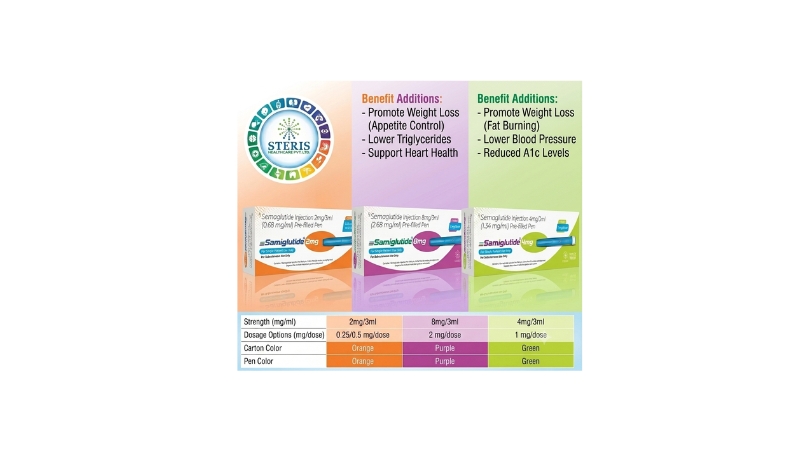
Semaglutide Injection in Hindi: Uses, Dosage, Side Effects और Price
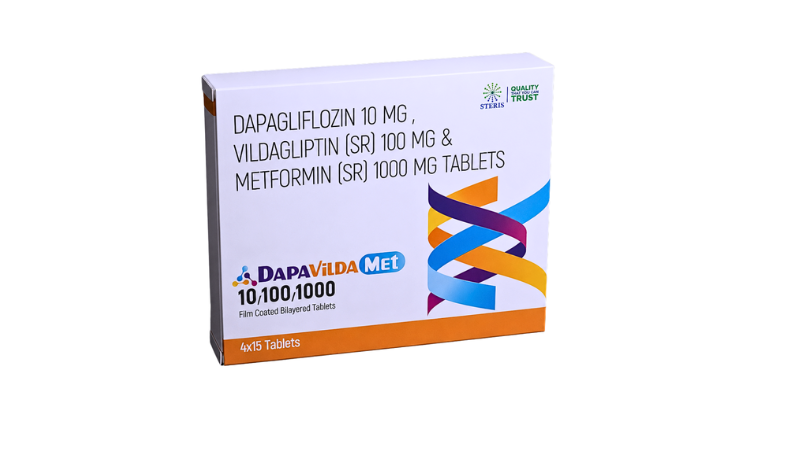
Dapagliflozin, Vildagliptin & Metformin 1000mg की पूरी जानकारी
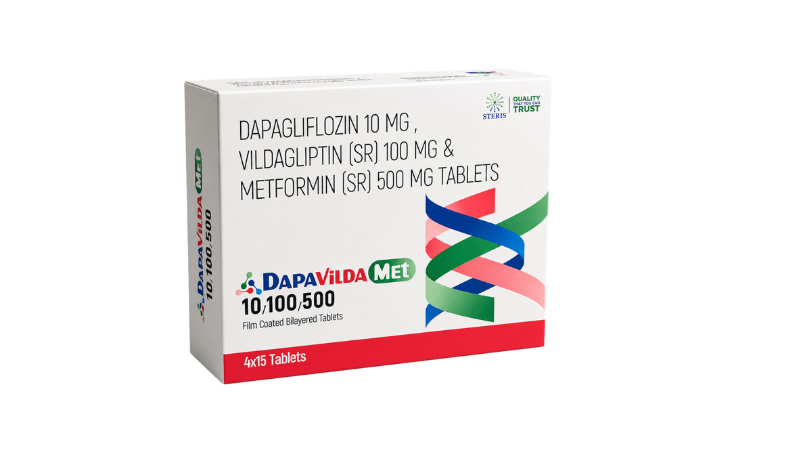
Dapagliflozin 10mg + Vildagliptin 100mg + Metformin 500mg: ट्रिपल-एक्शन दवा कैसे करती है शुगर कंट्रोल?
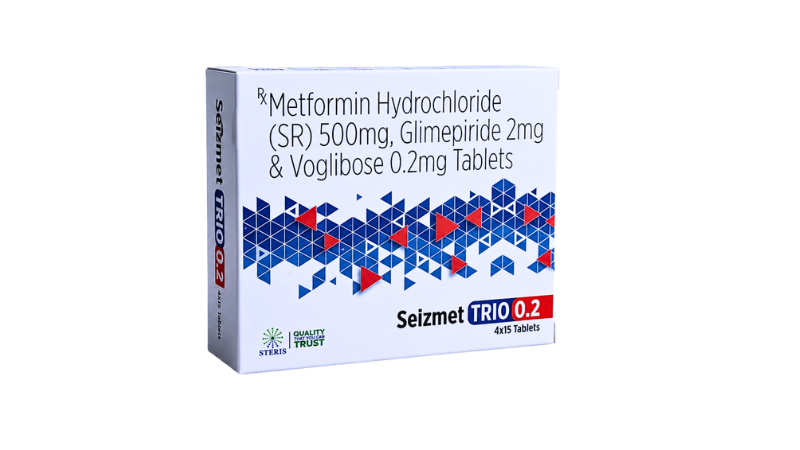
Glimepiride 2mg, Metformin 500mg और Voglibose 0.2mg दवा कब और कैसे लें? पूरी जानकारी
Empagliflozin 10 mg Tablet: टाइप 2 डायबिटीज और दिल की सेहत के लिए क्यों है खास?
Amlodipine 5 mg + Telmisartan 40 mg + Metoprolol 50 mg: उपयोग, फायदे और खुराक

