


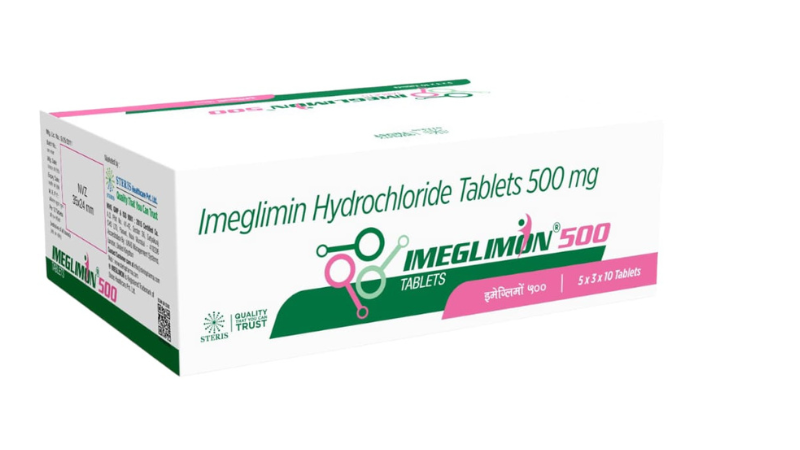



Imeglimin Hydrochloride 500 mg,...
Dec 22, 2023
The drug known as IMEGLIMON 500 is made up of 500 mg of Imeglimin Hydrochloride. This is an antidiabetic drug used in the treatment of Type 2 Diabetes Mellitus (T2DM) for patients who are aged above 18 years. The mode of action of this drug includes the enhancement of insulin release, insulin sensitization, and glucose suppression.
What is Imeglimin 500 mg Used For?
Imeglimin 500 mg tablet is primarily prescribed for adults with type 2 diabetes who need better control over their blood sugar levels. Doctors may recommend imeglimin 500 mg tablet uses in the following situations:
- As a standalone (monotherapy) treatment when diet and exercise alone aren't enough to control blood sugar
- As add-on therapy with metformin, DPP-4 inhibitors, sulfonylureas, or insulin when a single medicine doesn't achieve target glucose levels
- For patients who need a low hypoglycemia-risk option due to lifestyle, age, or coexisting health conditions
- In people who have not responded adequately to conventional oral antidiabetic drugs alone
Imeglimin belongs to a relatively new drug category, and its multi-target action makes the imeglimin 500 mg tablet a versatile option in personalized diabetes management plans.
What Class of Drug is Imeglimin?
This is one of the most frequently asked questions regarding this drug, and therefore the following is the straightforward answer:
Imeglimin is a brand new class of oral anti-diabetic drugs named "Glimins". Imeglimin is similar in structure to metformin (they both have tetrahydrotriazine-like core) but operates using an entirely different mechanism of action based on mitochondrial activity.
As opposed to biguanides (metformin), sulfonylureas, DPP-4 inhibitors, or SGLT2 inhibitors, imeglimin cannot be easily classified in any existing groups – that is why the regulatory authorities have introduced the specific group for this medication after its clinical trials, mainly conducted in Japan.
How It Works — Mechanism of Action
Understanding how imeglimin 500 mg works helps explain why it's considered unique among oral antidiabetics.
Imeglimin acts through a dual mechanism:
- Pancreatic action – It amplifies glucose-stimulated insulin secretion (GSIS) from pancreatic beta cells and helps preserve beta-cell mass over time, meaning it only boosts insulin release when blood sugar is actually high — reducing the risk of hypoglycemia.
- Extra-pancreatic action – It improves insulin sensitivity in the liver and skeletal muscles, and suppresses excess hepatic glucose production (gluconeogenesis).
At the cellular level, research indicates imeglimin's mechanism may involve correcting mitochondrial dysfunction, a common underlying feature of type 2 diabetes, by rebalancing activity across the mitochondrial respiratory chain. This mitochondrial-targeted approach is what sets imeglimin hydrochloride 500 mg apart from older-generation diabetes medicines that typically act on only one pathway.
Key Benefits of Imeglimin 500 mg Tablet
The benefits of imeglimin 500 mg make it a compelling addition to type 2 diabetes management:
- Dual-action glucose control – targets both insulin secretion and insulin resistance simultaneously
- Low hypoglycemia risk – because insulin release is glucose-dependent, not constant
- Kind to beta cells – may help preserve pancreatic beta-cell function over the long term
- Flexible use – can be combined with most other classes of antidiabetic drugs
- Potential cardiovascular support – emerging studies suggest possible improvements in endothelial function and lipid profile, though this continues to be researched
- Favorable safety profile – unlike metformin, animal studies suggest imeglimin carries a lower risk of triggering lactic acid accumulation even under conditions of physical stress or reduced kidney function
Does Imeglimin Cause Weight Loss?
This is a frequently asked question, and the honest answer is: Imeglimin is largely weight-neutral. Unlike GLP-1 receptor agonists or SGLT2 inhibitors, it isn't primarily designed to promote weight reduction. Most clinical observations show it neither causes significant weight gain nor dramatic weight loss, making it a suitable option for patients who need glucose control without major changes in body weight. Any weight changes should always be discussed with your treating physician, especially if you're on combination therapy.
Imeglimin vs Metformin: What's the Difference?'
Although both metformin and imeglimin are oral drugs prescribed to help control the glucose levels in patients diagnosed with Type 2 Diabetes, the two differ not only in their chemical formula but in the way they work as well. The mechanism of metformin involves the reduction of hepatic glucose production and enhanced insulin sensitivity; hence, it has been prescribed as a first-line drug for many years now. Imeglimin, on the other hand, works through its ability to enhance the functioning of mitochondria, thus helping the body secrete higher amounts of insulin in response to the increased glucose levels. This drug has a dual mechanism of action.
A very common query is: "What is the difference between metformin and imeglimin?" Here's a clear comparison:
| Feature | Imeglimin 500 mg | Metformin |
|---|---|---|
| Drug Class | Glimin (new class) | Biguanide |
| Mechanism | Dual action – pancreatic + extra-pancreatic | Mainly reduces hepatic glucose output |
| Hypoglycemia Risk | Low, glucose-dependent | Low, but different mechanism |
| Lactic Acidosis Risk | Considered lower in comparative studies | Established but rare risk, especially in renal impairment |
| Weight Effect | Weight-neutral | Weight-neutral to mild weight loss |
| Common Use | Monotherapy or combination therapy | First-line therapy for T2DM |
| Renal Caution | Requires monitoring, dose caution advised | Contraindicated in significant renal impairment |
While imeglimin shares a chemical similarity with metformin, it is not itself a biguanide, and though it also affects mitochondrial complex I activity, comparative studies suggest a lower tendency to induce lactic acid buildup compared to metformin. Many physicians use both drugs together for patients who need enhanced glycemic control.
How to Take Imeglimin 500 mg
Correct administration matters for both safety and effectiveness. Here's the standard guidance for how to take imeglimin 500 mg:
- Typical dose: 500 mg tablet taken twice daily, usually once in the morning and once in the evening, though your doctor may adjust the imeglimin 500 dose based on your response and kidney function
- Timing: Can generally be taken with or without food
- Swallow whole: Take the tablet with a glass of water; do not crush or chew unless advised
- Consistency matters: Try to take it at the same times each day for stable blood sugar control
Can I Take Imeglimin 500 mg After Meals?
Yes. Imeglimin can be taken with or without food, though taking it after meals may help reduce mild gastrointestinal side effects such as nausea. There are no major food-drug interactions reported, but consistency in timing (same time daily) is more important than whether it's taken before or after eating.
Dosage and Administration Summary
| Parameter | Details |
|---|---|
| Standard Strength | Imeglimin Hydrochloride 500 mg |
| Usual Frequency | Twice daily (some regimens: once daily) |
| Route | Oral tablet |
| Renal Adjustment | May be required in moderate-severe renal impairment |
| Missed Dose | Take as soon as remembered; skip if close to next dose — don't double up |
| Duration | Long-term, ongoing therapy as advised by physician |
Imeglimin 500 mg prescription is required in most regions since it's a prescription-only antidiabetic medicine — it should never be self-initiated or self-adjusted without medical supervision, as diabetes treatment plans are highly individualized.
How Effective is Imeglimin 500 mg for Type 2 Diabetes?
Imeglumine clinical development has been extensive, especially in Japan where its approval occurred first. There were several phase III clinical studies that showed high effectiveness of the drug regarding glycemic regulation, and it was proven that the substance significantly enhances the body’s physiological glucose-stimulated insulin release reaction.
Is Imeglimin 500 mg Effective? / How Long Does It Take to Work?
The majority of patients usually start seeing changes in their blood glucose levels within weeks of usage, although the best possible results concerning HbA1c are usually seen after about three months of consistent usage. The effectiveness will depend upon the consistency of dosage, diet, exercise, and the severity of the diabetes. Testing your blood glucose levels and HbA1c levels regularly will allow your doctor to judge the effectiveness of the drug.
Precautions While Taking Imeglimin 500 mg
Knowing what to avoid while taking Imeglimin 500 is essential for safe use:
- Kidney function: Since the drug is primarily cleared through the kidneys, patients with moderate to severe renal impairment need dose adjustment, and it may not be suitable in severe kidney disease
- Pregnancy and breastfeeding: Safety during pregnancy has not been well established, so it should be avoided unless specifically advised by a physician
- Drug interactions: Combining it with metformin may raise the risk of lactic acidosis, and use alongside insulin or insulin-releasing drugs like sulfonylureas can increase hypoglycemia risk
- Inform your doctor of all current medications, supplements, and existing health conditions before starting therapy
- Regular monitoring: Periodic kidney function and blood glucose checks are recommended during long-term use
Can I Drink Alcohol with Imeglimin 500 mg?
The consumption of alcohol is better to be avoided or minimized during treatment with imeglimin. It might have an unpredictable impact on blood glucose regulation (either increase or sudden decreases in levels), may contribute to the development of adverse effects on gastrointestinal tract and – due to the presence of mitochondrial pathway similarity between imeglimin and metformin – the excessive alcohol consumption might put additional burden on metabolism in the liver.
Can I Exercise While Taking Imeglimin 500 mg?
It goes without saying that exercise is both safe and highly recommended in conjunction with imeglimin. While this drug increases insulin sensitivity, exercise is a complement to this effect. Nevertheless, because exercise also reduces glucose levels, there is always a risk of hypoglycemia, particularly for patients who receive combination treatment (insulin or sulfonylurea).
Imeglimin 500 mg Side Effects
Like all medicines, imeglimin 500 mg tablet side effects can occur, though they're generally mild in most users.
Common Side Effects
- Nausea or mild stomach upset
- Diarrhea
- Loss of appetite
- Abdominal discomfort
- Headache or dizziness
- Mild fatigue
Less Common but Reportable Side Effects
- Back pain
- Urinary tract infection
- Skin rash
- Low blood sugar (more likely when combined with insulin or sulfonylureas)
If you experience severe abdominal pain, persistent vomiting, unusual muscle pain, or signs of an allergic reaction (swelling, difficulty breathing, rash with itching), seek medical attention immediately and stop the medication only under your doctor's advice — never discontinue treatment abruptly without medical guidance.
Imeglimin 500 mg Price and Availability
Imeglimin 500 price varies by brand, region, pack size, and pharmacy. As a prescription antidiabetic medicine, IMEGLIMON 500 (Imeglimin Hydrochloride 500 mg) is available through licensed pharmacies with a valid imeglimin 500 mg prescription from a registered physician. For current pricing, availability, and pack details of the imeglimin 500 tab, please connect with your nearest pharmacy or reach out to Steris Healthcare directly.
About Steris Healthcare
Steris Healthcare Pvt Ltd is a WHO-GMP and ISO-certified pharmaceutical manufacturer based in Navi Mumbai, India, dedicated to producing high-quality, affordable medicines that meet stringent international quality standards. IMEGLIMON 500 (Imeglimin Hydrochloride 500 mg) reflects Steris Healthcare's continued commitment to bringing advanced, evidence-based diabetes care to patients across India.
Frequently Asked Questions (FAQs)
Q1. What is Imeglimin 500mg used for?
It's used to manage type 2 diabetes by improving insulin secretion and sensitivity while reducing liver glucose output.
Q2. What class of drug is imeglimin?
It belongs to a new, first-in-class category called "Glimins," distinct from biguanides, sulfonylureas, or SGLT2 inhibitors.
Q3. Does imeglimin cause weight loss?
No significant weight loss is typically observed — it is considered weight-neutral.
Q4. How is imeglimin different from metformin?
Both share a mitochondrial-related mechanism, but imeglimin has a broader dual action on both the pancreas and peripheral tissues, with a comparatively lower reported risk of lactic acidosis.
Q5. How long does imeglimin 500 mg take to work?
Initial glucose improvements can appear within weeks; full effectiveness is typically evaluated around 12 weeks.
Q6. Is a prescription required for imeglimin 500 mg?
Yes, it is a prescription-only medication.
Recent Post
Semaglutide 4mg vs Pancreatitis Risk: What Doctors Want You to Know
Semaglutide 8mg Injection: Frequently Asked Questions Answered by Experts
Mycophenolate Mofetil 500mg (Mycofortic M 500): Uses, Benefits & Precautions – Complete Guide
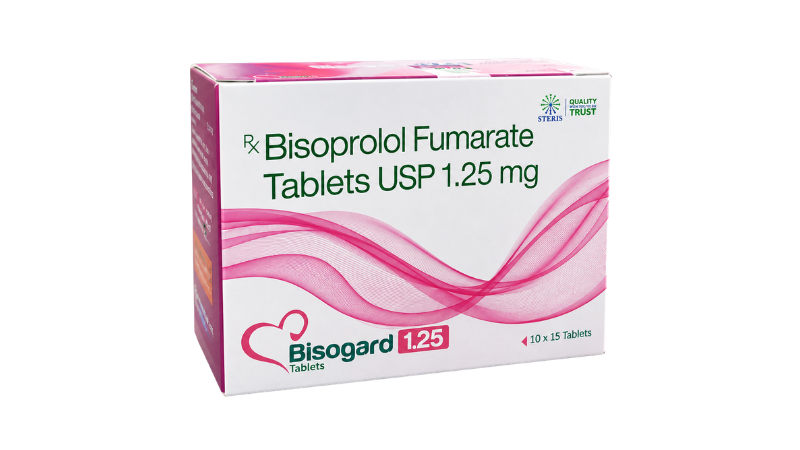
What is Bisogard 1.25? Bisoprolol 1.25mg Uses, Dosage & Side Effects Explained
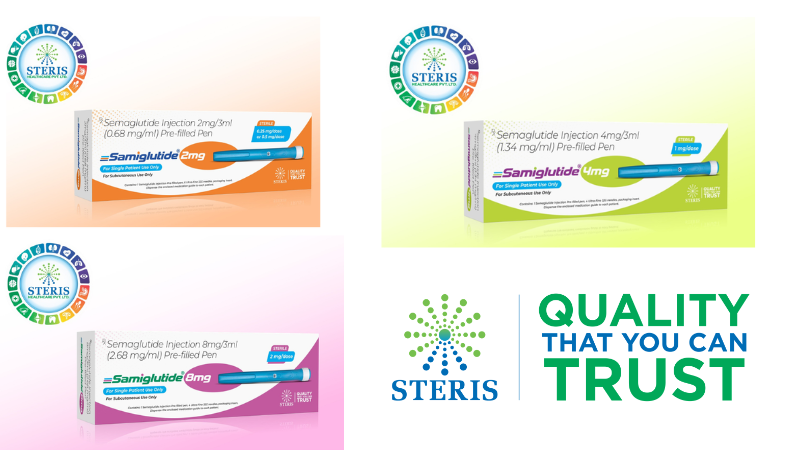
Can Semaglutide Injection Be Used Without Diabetes?
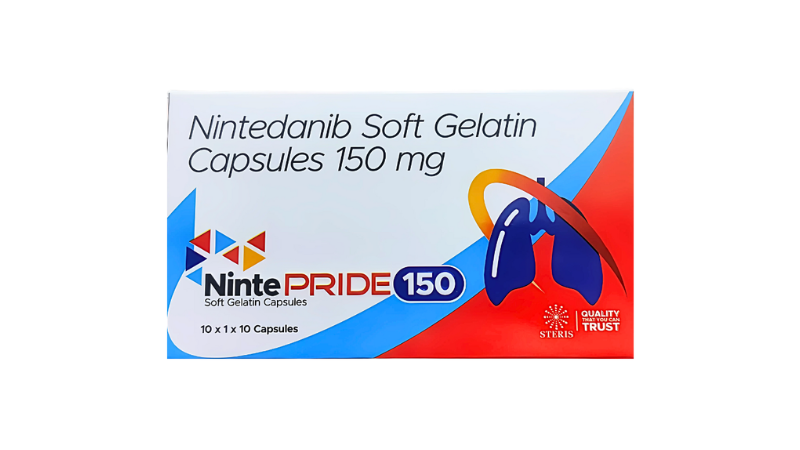
What Are Nintedanib Soft Gelatin Capsules Used For? Complete Guide
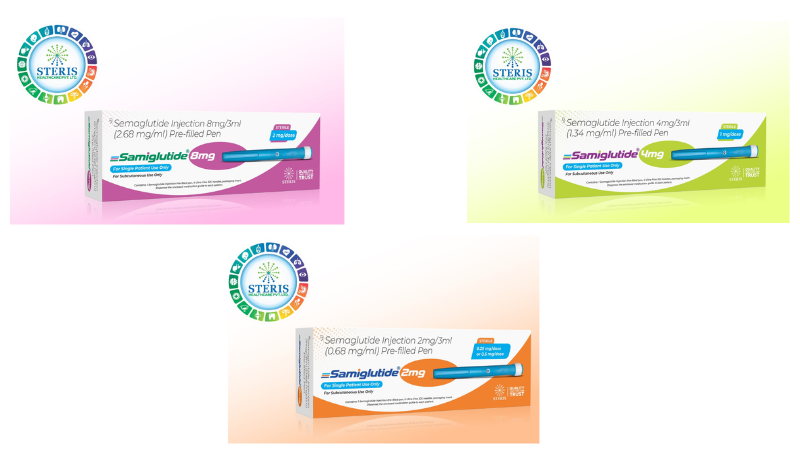
Where to Buy Semaglutide Injection in India: Price, Pen & Prescription Guide
ERITOCOX BENZ 60/5 Dosage Guide: How to Take Etoricoxib & Cyclobenzaprine Tablets Safely
Gabapentin and Methylcobalamin Tablets Side Effects: What Patients Should Know
Thyroxine sodium tablets IP: उपयोग, फायदे और साइड इफेक्ट्स

