





MENEROPEN 1 GM IV: A Powerful Ally in Antibiotic Therapy by Sterispharma.
May 14, 2024
MENEROPEN 1 GM IV is a high-potency injectable antibiotic containing Meropenem, a broad-spectrum carbapenem-class antibiotic. It is designed for the effective management of serious bacterial infections, particularly those caused by multi-drug resistant Gram-negative and Gram-positive bacteria.
Meropenem is renowned for its rapid bactericidal activity, making it a first-line choice for critically ill patients. MENEROPEN 1 GM IV is commonly used in hospital settings for severe infections such as complicated intra-abdominal infections, septicemia, pneumonia, and urinary tract infections.
This injectable formulation ensures quick systemic distribution, enabling healthcare providers to achieve effective plasma concentrations rapidly, a critical factor in severe or life-threatening infections. MENEROPEN 1 GM IV follows stringent manufacturing protocols, ensuring purity, potency, and patient safety.
Uses
1. Complicated Intra-Abdominal Infections
Effective against infections caused by resistant Gram-negative and Gram-positive bacteria, MENEROPEN 1 GM IV helps prevent peritonitis and abdominal abscesses.
2. Severe Pneumonia
Used for community-acquired and hospital-acquired pneumonia, particularly when caused by multi-drug resistant pathogens.
3. Urinary Tract Infections (UTIs)
Recommended for complicated or severe UTIs and pyelonephritis, especially in hospitalized patients.
4. Septicemia
MENEROPEN 1 GM IV is a critical therapeutic option for bloodstream infections, reducing mortality risks in septic patients.
5. Skin and Soft Tissue Infections
Used for serious infections caused by MRSA, Streptococcus species, and resistant Gram-negative bacteria.
6. Meningitis
In specific cases, meropenem is employed to manage bacterial meningitis in adults and pediatric patients.
7. Bone and Joint Infections
Effective in osteomyelitis and joint infections caused by susceptible bacteria, especially post-surgical infections.
Benefits
1. Broad-Spectrum Antibacterial Action
Meropenem is effective against Gram-positive, Gram-negative, and anaerobic bacteria, including resistant strains.
2. Rapid Onset of Action
Intravenous administration ensures fast therapeutic levels, which is critical in life-threatening infections.
3. Efficacy Against Resistant Bacteria
Effective against ESBL-producing bacteria, Pseudomonas aeruginosa, and MRSA, making it invaluable in hospital settings.
4. Versatile Clinical Use
Applicable for a wide range of infections: intra-abdominal, respiratory, urinary, skin, bone, and bloodstream infections.
5. Reduced Risk of Resistance
Meropenem has low susceptibility to beta-lactamase enzymes, reducing resistance compared to older antibiotics.
6. Well-Tolerated Profile
Generally safe in hospitalized patients, with side effects usually mild and manageable.
7. Supports Critical Care Treatment
Ideal for ICU and emergency use, providing a reliable solution for severe infections.
Dosage
1. Adult Dosage
-
Standard dose: 1 g every 8 hours via slow intravenous injection or infusion.
-
Dose may be adjusted based on infection severity and renal function.
2. Pediatric Use
-
Pediatric dosing is weight-based and prescribed by a healthcare professional.
-
Typical range: 10–40 mg/kg every 8 hours, depending on infection type.
3. Administration Method
-
Can be given as IV infusion over 15–30 minutes or as a slow IV push.
-
Ensure proper reconstitution with sterile water or compatible diluent.
4. Duration of Therapy
-
Depends on infection type: typically 7–14 days, but may extend for severe or resistant infections.
5. Dose Adjustment in Renal Impairment
-
Dose modifications are required for patients with reduced kidney function.
-
Monitor renal parameters during therapy.
6. Missed Dose
-
Administer as soon as possible; do not double doses to compensate for a missed one.
7. Combination Therapy
-
Can be used alongside other antibiotics if clinically indicated, under physician supervision.
Side Effects
While MENEROPEN 1 GM IV is generally well-tolerated, potential side effects may include:
Common Side Effects
-
Nausea and vomiting
-
Diarrhea or loose stools
-
Headache
-
Local injection site reactions (pain, redness)
Moderate Side Effects
-
Rash or mild allergic reactions
-
Transient liver enzyme elevation
-
Mild fever
Serious Side Effects
-
Severe allergic reactions (anaphylaxis)
-
Clostridium difficile-associated diarrhea
-
Blood disorders (thrombocytopenia, leukopenia)
-
Seizures in patients with CNS disorders or renal impairment
Precautions and Warning
1. Allergies
-
Avoid use in patients with history of penicillin or carbapenem allergy.
2. Kidney and Liver Function
-
Dose adjustment required in renal impairment.
-
Monitor liver and kidney function during prolonged therapy.
3. Pregnancy and Lactation
-
Use only under strict medical supervision. Safety in pregnancy and breastfeeding has not been firmly established.
4. Drug Interactions
-
Check for interactions with valproic acid and other nephrotoxic or hepatotoxic drugs.
5. Avoid Self-Medication
-
Must be administered under professional supervision. Misuse can lead to resistance or treatment failure.
6. Prolonged Use Monitoring
-
Regular blood counts and kidney function tests are recommended for long-term therapy.
7. Storage
-
Store in cool, dry conditions (2–8°C) before reconstitution.
-
Protect from light; discard after reconstitution as per guidelines.
Conclusion
MENEROPEN 1 GM IV (Meropenem Injection) is a highly effective, broad-spectrum antibiotic designed to tackle severe and resistant bacterial infections. With its rapid onset of action, proven efficacy against multi-drug resistant strains, and versatility across multiple infection types, it is an indispensable option in critical care, hospital, and outpatient settings.
Frequently Asked Questions (FAQs)
1. What infections can MENEROPEN 1 GM IV treat?
It treats severe intra-abdominal infections, pneumonia, UTIs, septicemia, skin and soft tissue infections, bone and joint infections, and bacterial meningitis.
2. How is MENEROPEN 1 GM IV administered?
It is administered intravenously via slow infusion or injection, usually 1 g every 8 hours in adults.
3. Can it be used in children?
Yes, pediatric dosing is weight-based and should be prescribed by a physician.
4. Are there side effects?
Yes, common side effects include nausea, diarrhea, headache, and injection site pain. Rare serious side effects include blood disorders and seizures.
5. Can pregnant or breastfeeding women use it?
Only under strict medical supervision.
6. Do I need any monitoring during therapy?
Yes, prolonged therapy requires monitoring renal function, liver function, and blood counts.
7. Can MENEROPEN 1 GM IV be combined with other antibiotics?
Yes, but only under professional guidance to avoid interactions or resistance.
8. How long does it take to work?
Clinical improvement may begin within 1–3 days, but completing the full course is essential.
9. Can it be self-administered at home?
No, intravenous administration should be performed in a hospital or under professional supervision.
10. How should the injection be stored?
Store in 2–8°C before reconstitution, protect from light, and discard as per the guidelines after preparation.
Recent Post
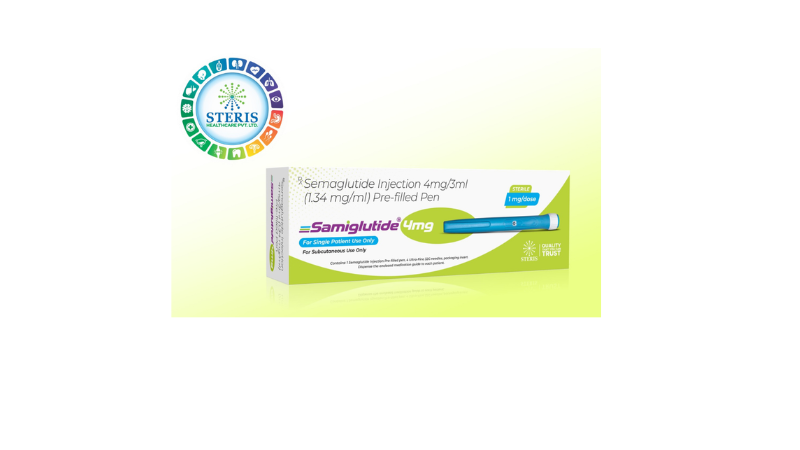
Semaglutide Injection: Uses, Benefits, Side Effects, Dosage & Safety | SAMIGLUTIDE 4 MG

Betahistine Dihydrochloride Tablet: उपयोग, खुराक, दुष्प्रभाव और विकल्प — पूरी जानकारी

Valsartan 80 mg + Hydrochlorothiazide 12.5 mg Uses in Hindi: जानें इसके मुख्य फायदे और उपयोग
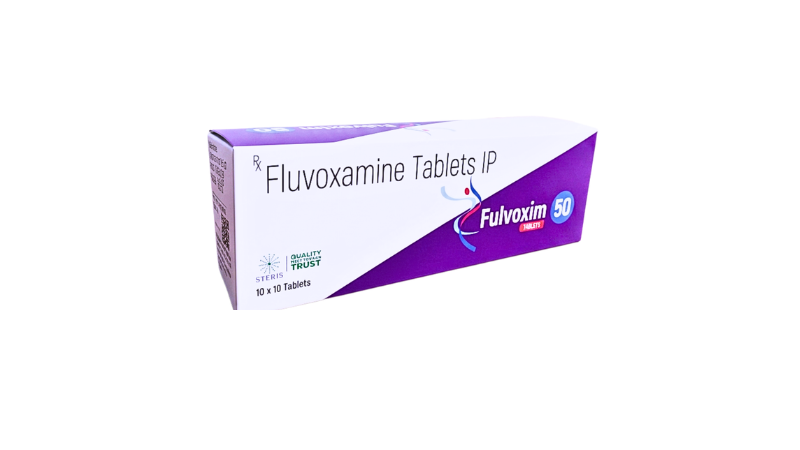
जानें fluvoxamine 50 mg के उपयोग, फायदे और बेस्ट प्राइस

Thiocolchicoside Aceclofenac & Paracetamol: उपयोग, फायदे और सावधानियां

Semaglutide Injection for Type 2 Diabetes: Uses, Benefits, Dosage & Side Effects

OXCARBZEN 150 क्या है? oxcarbazepine 150 mg tablet uses in hindi और पूरी जानकारी

जानें Torsemide 20 mg + Spironolactone 50 mg के उपयोग और फायदे
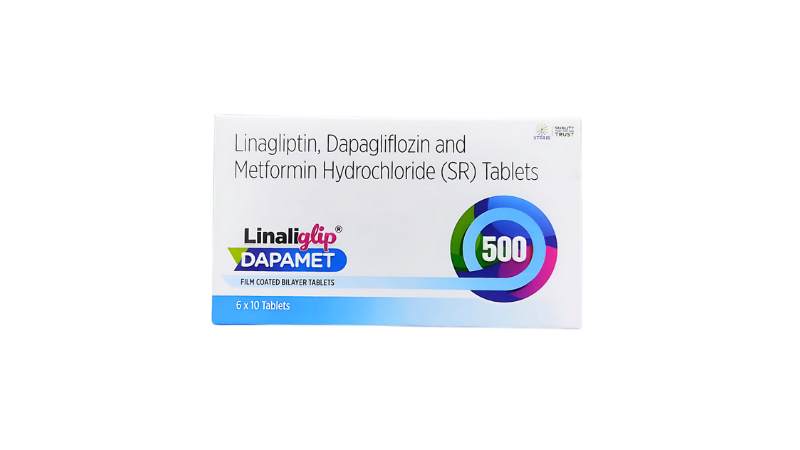
जानें linagliptin 5 mg, dapagliflozin 10 mg और metformin 500 के उपयोग और फायदे
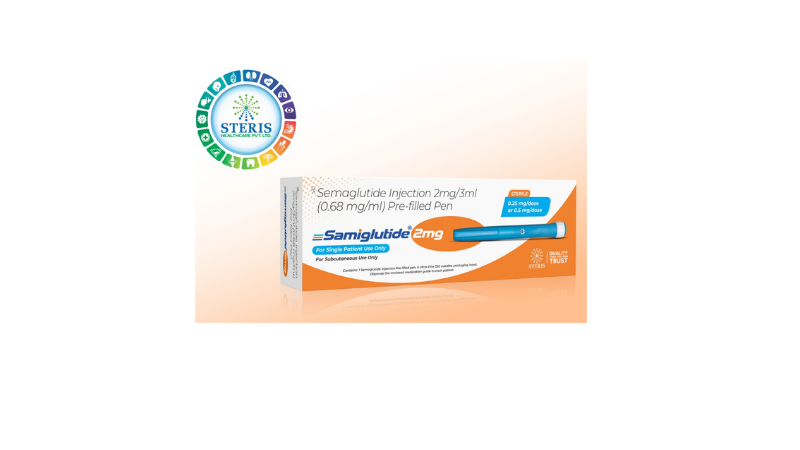
SAMIGLUTIDE 2MG क्या है? semaglutide injection 2 mg uses in hindi और पूरी जानकारी

