


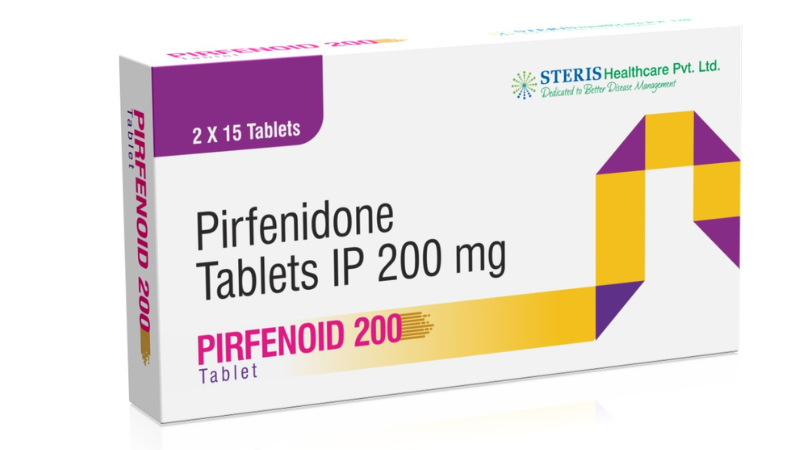



Pirfenidone 200 & PIRFENOID 200mg:Uses, Dosage, Side Effects, Price, Composition and More
May 11, 2024
PIRFENOID 200: Comprehensive Guide to Pirfenidone 200mg Tablets
Introduction to PIRFENOID 200
PIRFENOID 200 is a pharmaceutical formulation containing Pirfenidone 200mg, a breakthrough medication specifically designed for the treatment of idiopathic pulmonary fibrosis (IPF). Manufactured and distributed by Steris Healthcare, PIRFENOID 200 represents a significant advancement in respiratory medicine, offering hope to patients suffering from this progressive lung disease.
Pirfenidone, the active pharmaceutical ingredient in PIRFENOID 200, has been extensively researched and clinically proven to slow the progression of IPF, improve lung function, and enhance the quality of life for patients dealing with this challenging condition. As a trusted name in healthcare, Steris Healthcare ensures that PIRFENOID 200 meets the highest quality standards and provides consistent therapeutic benefits.
Understanding Pirfenidone: The Active Ingredient
Pirfenidone is an anti-fibrotic and anti-inflammatory agent that works at the cellular level to combat the scarring process that occurs in pulmonary fibrosis. Each PIRFENOID 200 tablet contains precisely 200mg of this active ingredient, formulated for optimal absorption and bioavailability.
The mechanism of action of Pirfenidone involves multiple pathways. It inhibits the synthesis of transforming growth factor-beta (TGF-β), a key mediator in the fibrotic process. Additionally, it reduces the production of tumor necrosis factor-alpha (TNF-α) and other pro-inflammatory cytokines that contribute to lung tissue damage and scarring.
What makes PIRFENOID 200 particularly effective is its ability to slow down the decline in lung function, as measured by forced vital capacity (FVC). Clinical studies have demonstrated that patients taking Pirfenidone experience a significantly reduced rate of disease progression compared to those receiving placebo treatment.
What is Idiopathic Pulmonary Fibrosis (IPF)?
Idiopathic Pulmonary Fibrosis is a chronic, progressive lung disease characterized by the scarring and thickening of lung tissue. The term "idiopathic" means that the exact cause remains unknown, though various risk factors have been identified. IPF primarily affects individuals over 50 years of age and is more common in men than women.
In IPF, the lung tissue becomes increasingly stiff and scarred, making it difficult for oxygen to pass into the bloodstream. This leads to progressive breathlessness, chronic dry cough, fatigue, and reduced exercise tolerance. Without treatment, IPF typically progresses over time, significantly impacting quality of life and life expectancy.
The diagnosis of IPF involves a combination of clinical assessment, high-resolution CT scans, pulmonary function tests, and sometimes lung biopsy. Early diagnosis and intervention with medications like PIRFENOID 200 are crucial for managing the disease and maintaining optimal lung function for as long as possible.
How PIRFENOID 200 Works
PIRFENOID 200 employs a multi-faceted approach to combat pulmonary fibrosis. The Pirfenidone in each tablet interferes with the biological processes that lead to excessive collagen deposition and lung scarring.
The medication works by downregulating the production of fibroblast growth factors and reducing fibroblast proliferation. Fibroblasts are cells responsible for producing collagen and other proteins that form scar tissue. By inhibiting their activity, PIRFENOID 200 helps prevent the excessive accumulation of fibrous tissue in the lungs.
Furthermore, PIRFENOID 200 possesses antioxidant properties that help protect lung cells from oxidative stress, which is believed to play a role in the development and progression of IPF. The anti-inflammatory effects of Pirfenidone also help reduce chronic inflammation in the lungs, which contributes to tissue damage.
Clinical evidence demonstrates that PIRFENOID 200, when taken as prescribed, can reduce the decline in forced vital capacity by approximately 50% compared to placebo. This translates to preserved lung function, reduced breathlessness, and improved exercise capacity over time.
Therapeutic Benefits of PIRFENOID 200
PIRFENOID 200 offers multiple therapeutic advantages for patients with idiopathic pulmonary fibrosis. The primary benefit is the significant reduction in the rate of lung function decline, which helps patients maintain their breathing capacity and overall respiratory health for longer periods.
Patients taking PIRFENOID 200 often experience improved exercise tolerance, allowing them to engage in daily activities with less breathlessness and fatigue. This improvement in functional capacity translates to better quality of life and increased independence in performing routine tasks.
Another important benefit is the potential reduction in acute exacerbations of IPF. These sudden worsening episodes can be life-threatening and often lead to hospitalization. Studies suggest that Pirfenidone may help reduce the frequency and severity of these exacerbations.
Long-term treatment with PIRFENOID 200 has been associated with improved survival rates in IPF patients. While IPF remains a serious condition, early intervention with effective anti-fibrotic therapy like PIRFENOID 200 can significantly impact disease outcomes and longevity.
The medication also helps manage symptoms such as chronic cough, which is common in IPF patients and can significantly affect sleep quality and overall well-being. By slowing disease progression, PIRFENOID 200 helps maintain better respiratory function and symptom control.
Dosage and Administration Guidelines
PIRFENOID 200 dosing is carefully calibrated to maximize therapeutic benefits while minimizing potential side effects. The medication follows a gradual dose escalation protocol to help the body adjust to the treatment.
The typical dosing schedule begins with one PIRFENOID 200 tablet (200mg) three times daily for the first week. During the second week, the dose is increased to two tablets (400mg) three times daily. From the third week onward, the maintenance dose is usually three tablets (600mg) three times daily, totaling 1800mg per day.
This gradual titration approach helps minimize gastrointestinal side effects, which are among the most common adverse reactions to Pirfenidone. It's crucial to follow this schedule exactly as prescribed by your healthcare provider.
PIRFENOID 200 should be taken with food to enhance absorption and reduce the risk of nausea and other digestive issues. Taking the medication at regular intervals throughout the day ensures consistent blood levels of Pirfenidone, optimizing its therapeutic effects.
Patients should swallow the tablets whole with water and should not crush, chew, or break them. If a dose is missed and it's within a few hours of the scheduled time, take it as soon as remembered. However, if it's almost time for the next dose, skip the missed dose and continue with the regular schedule. Never double up on doses to compensate for a missed one.
Important Precautions and Warnings
Before starting PIRFENOID 200, patients should inform their healthcare provider about their complete medical history, including any liver or kidney problems, as these conditions may affect how the medication is processed in the body.
Liver function monitoring is essential during PIRFENOID 200 treatment. Regular blood tests to assess liver enzymes should be conducted before starting therapy, monthly for the first six months, and then every three months thereafter. If liver enzyme elevations occur, dose adjustments or discontinuation may be necessary.
PIRFENOID 200 increases photosensitivity, making the skin more susceptible to sunburn. Patients should avoid prolonged sun exposure, wear protective clothing, use broad-spectrum sunscreen with high SPF, and avoid tanning beds during treatment.
Women of childbearing potential should use effective contraception while taking PIRFENOID 200, as the safety of Pirfenidone during pregnancy has not been established. The medication should be used during pregnancy only if the potential benefit justifies the potential risk to the fetus.
Patients with a history of severe allergic reactions should discuss this with their healthcare provider, as hypersensitivity reactions to Pirfenidone, though rare, can occur. Any signs of allergic reaction such as rash, itching, swelling, severe dizziness, or difficulty breathing require immediate medical attention.
Potential Side Effects
Like all medications, PIRFENOID 200 may cause side effects, though not everyone experiences them. Understanding potential adverse reactions helps patients recognize and manage them effectively.
The most common side effects are gastrointestinal in nature, including nausea, dyspepsia (indigestion), vomiting, decreased appetite, and abdominal discomfort. These effects are usually mild to moderate and often improve with continued use as the body adjusts to the medication. Taking PIRFENOID 200 with food can significantly reduce these symptoms.
Skin-related side effects include photosensitivity reactions and rash. Patients may experience exaggerated sunburn even after brief sun exposure. Using protective measures as mentioned earlier is crucial in preventing these reactions.
Fatigue and dizziness are reported by some patients, particularly during the initial weeks of treatment. These symptoms typically improve over time but warrant caution when driving or operating machinery until you know how the medication affects you.
Weight loss may occur, often related to gastrointestinal side effects affecting appetite. Monitoring weight and nutritional status is important, and dietary counseling may be beneficial for some patients.
Less common but more serious side effects include significant liver enzyme elevations, severe skin reactions, and respiratory symptoms. Any unusual symptoms, yellowing of skin or eyes, dark urine, severe abdominal pain, or worsening breathing should be reported to a healthcare provider immediately.
Drug Interactions
PIRFENOID 200 may interact with other medications, potentially affecting how it works or increasing the risk of side effects. It's essential to inform your healthcare provider about all medications, supplements, and herbal products you're taking.
CYP1A2 inhibitors, such as fluvoxamine (used for depression and anxiety), can increase Pirfenidone levels in the blood, potentially leading to increased side effects. Concurrent use of PIRFENOID 200 with strong CYP1A2 inhibitors should be avoided or requires dose adjustment and careful monitoring.
Conversely, CYP1A2 inducers like omeprazole (at high doses) and certain smoking cessation aids may reduce Pirfenidone effectiveness by decreasing its blood levels. Smoking itself is a CYP1A2 inducer and should be discontinued in IPF patients for multiple health reasons.
Medications that are also processed by the liver may require monitoring when used with PIRFENOID 200. This is particularly important for patients taking multiple medications for various conditions.
Grapefruit juice should be avoided during PIRFENOID 200 treatment as it can interfere with the medication's metabolism, potentially increasing side effects.
Always consult your healthcare provider or pharmacist before starting any new medication, including over-the-counter drugs and supplements, while taking PIRFENOID 200.
Lifestyle Recommendations During Treatment
Managing IPF with PIRFENOID 200 extends beyond medication alone. Adopting healthy lifestyle practices can enhance treatment effectiveness and improve overall well-being.
Smoking cessation is absolutely critical for IPF patients. Smoking not only exacerbates lung damage but also reduces PIRFENOID 200's effectiveness. Support programs and smoking cessation aids can help patients quit successfully.
Pulmonary rehabilitation programs combining exercise training, breathing techniques, and education have been shown to benefit IPF patients. These programs can improve exercise capacity, reduce breathlessness, and enhance quality of life when used alongside PIRFENOID 200 therapy.
Maintaining a healthy, balanced diet is important, especially given potential appetite changes with treatment. Small, frequent meals rich in nutrients can help manage gastrointestinal side effects while ensuring adequate nutrition.
Staying hydrated is essential, particularly if experiencing digestive side effects. Adequate fluid intake supports overall health and helps manage medication tolerability.
Regular follow-up appointments for monitoring lung function, liver enzymes, and overall health status are crucial. These visits allow healthcare providers to assess treatment effectiveness and make necessary adjustments.
Vaccinations, particularly annual influenza vaccines and pneumococcal vaccines, are recommended to prevent respiratory infections that could exacerbate IPF.
Storage and Handling
Proper storage of PIRFENOID 200 ensures medication stability and effectiveness throughout its shelf life. Store tablets at room temperature, typically between 15-30°C (59-86°F), away from excessive heat and moisture.
Keep PIRFENOID 200 in its original container with the lid tightly closed to protect from light and humidity. Do not transfer tablets to pill organizers for long-term storage, though short-term use of weekly pill organizers is generally acceptable.
Store medication out of reach of children and pets. Never share PIRFENOID 200 with others, even if they have similar symptoms or conditions.
Do not use PIRFENOID 200 beyond its expiration date printed on the packaging. Expired medication may not provide adequate therapeutic benefits and could potentially be harmful.
If you need to dispose of unused or expired PIRFENOID 200, do not flush it down the toilet or throw it in household trash. Check with your pharmacist about medication take-back programs in your area for safe disposal.
Why Choose Steris Healthcare for PIRFENOID 200
Steris Healthcare stands as a trusted pharmaceutical company committed to delivering high-quality medications and exceptional patient care. Our dedication to excellence ensures that PIRFENOID 200 meets stringent quality standards throughout manufacturing and distribution.
Every batch of PIRFENOID 200 undergoes rigorous quality control testing to ensure consistency, purity, and potency. Steris Healthcare maintains state-of-the-art manufacturing facilities that comply with international Good Manufacturing Practices (GMP) standards.
Our commitment extends beyond manufacturing to include comprehensive patient support services. We provide educational resources, medication information, and access to healthcare professionals who can answer questions about PIRFENOID 200 therapy.
Steris Healthcare maintains a robust supply chain to ensure consistent availability of PIRFENOID 200, preventing treatment interruptions that could impact disease management. We work closely with healthcare providers and pharmacies to facilitate smooth prescription fulfillment.
Our patient-centric approach means we continuously invest in research and development to improve our formulations and expand treatment options for respiratory diseases. Choosing PIRFENOID 200 from Steris Healthcare means partnering with a company that prioritizes your health and well-being.
Clinical Evidence Supporting PIRFENOID 200
The effectiveness of Pirfenidone in treating IPF has been established through extensive clinical research involving thousands of patients worldwide. Landmark clinical trials have consistently demonstrated the benefits of PIRFENOID 200 in slowing disease progression.
The CAPACITY trials, two phase III studies, showed that Pirfenidone significantly reduced the decline in forced vital capacity compared to placebo. Patients receiving the medication experienced approximately 50% reduction in FVC decline over 72 weeks.
The ASCEND trial further confirmed these benefits, demonstrating that Pirfenidone reduced the proportion of patients experiencing disease progression by 47.9% compared to placebo. Additionally, the trial showed improvements in progression-free survival.
Long-term extension studies have demonstrated the sustained benefits of continuous Pirfenidone treatment, with patients maintaining better lung function over extended periods compared to historical controls.
Real-world evidence from post-marketing studies continues to support PIRFENOID 200's safety profile and effectiveness in diverse patient populations, including elderly patients and those with comorbid conditions.
Patient Support and Resources
Steris Healthcare recognizes that managing IPF involves more than just taking medication. We provide comprehensive support resources to help patients navigate their treatment journey with PIRFENOID 200.
Our patient education materials include detailed information about IPF, treatment expectations, side effect management, and lifestyle modifications. These resources are available in multiple formats to accommodate different learning preferences.
We offer a dedicated patient support line where trained professionals can answer questions about PIRFENOID 200, provide guidance on managing side effects, and assist with prescription-related concerns.
Steris Healthcare collaborates with patient advocacy organizations and support groups, connecting patients with communities of others facing similar challenges. These connections provide emotional support and practical advice from those with lived experience.
For healthcare professionals, we provide comprehensive prescribing information, continuing education resources, and direct access to medical information specialists who can address clinical questions about PIRFENOID 200 therapy.
Conclusion
PIRFENOID 200 represents a significant advancement in the treatment of idiopathic pulmonary fibrosis, offering hope to patients facing this challenging condition. As a proven anti-fibrotic agent containing Pirfenidone 200mg, it addresses the underlying disease process, slowing progression and preserving lung function.
The commitment of Steris Healthcare to quality, patient safety, and therapeutic innovation ensures that PIRFENOID 200 delivers consistent, reliable treatment outcomes. With proper use under medical supervision, regular monitoring, and adherence to prescribed therapy, patients can maximize the benefits of PIRFENOID 200 while managing potential side effects effectively.
Living with IPF requires a comprehensive approach combining medication, lifestyle modifications, regular medical follow-up, and emotional support. PIRFENOID 200 from Steris Healthcare provides a foundation for effective disease management, helping patients maintain quality of life and respiratory function.
If you or a loved one has been diagnosed with idiopathic pulmonary fibrosis, discuss PIRFENOID 200 with your healthcare provider to determine if this treatment is appropriate for your specific situation. Early intervention and consistent therapy offer the best opportunity for managing IPF and preserving lung health.
Frequently Asked Questions (FAQ)
1. What is PIRFENOID 200 used for?
PIRFENOID 200 is specifically indicated for the treatment of idiopathic pulmonary fibrosis (IPF), a progressive lung disease characterized by scarring of lung tissue. It helps slow the decline in lung function and reduces disease progression.
2. How does PIRFENOID 200 work?
PIRFENOID 200 contains Pirfenidone, which works through multiple mechanisms including reducing the production of growth factors and inflammatory mediators involved in lung scarring. It inhibits fibroblast proliferation and collagen synthesis, thereby slowing the fibrotic process in the lungs.
3. What is the recommended dosage of PIRFENOID 200?
The typical maintenance dose is three tablets (600mg) three times daily with food, totaling 1800mg per day. Treatment begins with a gradual dose escalation: 200mg three times daily for week 1, 400mg three times daily for week 2, then 600mg three times daily from week 3 onward.
4. Should PIRFENOID 200 be taken with food?
Yes, PIRFENOID 200 should always be taken with food. This enhances absorption and significantly reduces gastrointestinal side effects such as nausea and stomach upset that can occur with the medication.
5. What are the most common side effects?
The most common side effects include nausea, indigestion, decreased appetite, vomiting, fatigue, rash, and photosensitivity (increased sensitivity to sunlight). Most of these effects are mild to moderate and often improve with continued use.
6. Can I go out in the sun while taking PIRFENOID 200?
You can go outdoors, but must take precautions as PIRFENOID 200 increases photosensitivity. Wear protective clothing, use broad-spectrum sunscreen with SPF 50 or higher, avoid prolonged sun exposure especially during peak hours, and never use tanning beds during treatment.
7. How long do I need to take PIRFENOID 200?
PIRFENOID 200 is typically a long-term treatment for managing IPF. The duration depends on individual response, tolerability, and disease progression. Continue taking it as prescribed by your healthcare provider, who will monitor your condition and adjust treatment as needed.
8. What should I do if I miss a dose?
If you miss a dose and remember within a few hours, take it with food as soon as possible. If it's almost time for your next scheduled dose, skip the missed dose and continue with your regular dosing schedule. Never take double doses to make up for a missed dose.
9. Are there any medications that interact with PIRFENOID 200?
Yes, certain medications can interact with PIRFENOID 200, particularly strong CYP1A2 inhibitors like fluvoxamine, which can increase Pirfenidone levels. Always inform your healthcare provider about all medications, supplements, and herbal products you're taking before starting PIRFENOID 200.
10. Do I need regular blood tests while taking PIRFENOID 200?
Yes, regular monitoring of liver function through blood tests is essential. Tests should be performed before starting treatment, monthly for the first six months, and then every three months thereafter to detect any potential liver enzyme elevations.
11. Can I drink alcohol while taking PIRFENOID 200?
Alcohol consumption should be minimized or avoided during PIRFENOID 200 treatment, as both alcohol and Pirfenidone are processed by the liver. Alcohol may increase the risk of liver problems and can worsen side effects like dizziness and nausea.
12. Is PIRFENOID 200 safe during pregnancy?
The safety of PIRFENOID 200 during pregnancy has not been established. Women of childbearing potential should use effective contraception during treatment. If you become pregnant or plan to become pregnant, discuss this with your healthcare provider immediately.
13. Can I crush or split PIRFENOID 200 tablets?
No, PIRFENOID 200 tablets should be swallowed whole with water. Do not crush, chew, or break the tablets, as this may affect how the medication is absorbed and could increase side effects.
14. Will PIRFENOID 200 cure my pulmonary fibrosis?
PIRFENOID 200 does not cure IPF, but it significantly slows disease progression, helps preserve lung function, and can improve quality of life. It is a disease-modifying therapy that works best when started early in the disease course.
15. What should I do if I experience side effects?
Mild side effects often improve with continued use as your body adjusts. Taking the medication with food can help reduce gastrointestinal symptoms. However, if you experience severe or persistent side effects, yellowing of skin or eyes, dark urine, severe rash, or difficulty breathing, contact your healthcare provider immediately.
16. How should I store PIRFENOID 200?
Store PIRFENOID 200 at room temperature (15-30°C or 59-86°F) in its original container, tightly closed, away from light, heat, and moisture. Keep out of reach of children and pets. Do not use beyond the expiration date.
17. Can I smoke while taking PIRFENOID 200?
Absolutely not. Smoking is extremely harmful for IPF patients and reduces the effectiveness of PIRFENOID 200. Smoking cessation is crucial for managing your condition and should be a priority. Ask your healthcare provider about smoking cessation support programs.
18. Will my insurance cover PIRFENOID 200?
Coverage varies by insurance plan and region. Many insurance companies cover PIRFENOID 200 for approved indications like IPF, though prior authorization may be required. Contact your insurance provider or speak with Steris Healthcare patient support services for assistance with coverage questions.
19. Can PIRFENOID 200 be used with oxygen therapy?
Yes, PIRFENOID 200 can be used alongside oxygen therapy if your condition requires supplemental oxygen. The medication addresses the underlying disease process while oxygen therapy helps manage symptoms. Your healthcare provider will coordinate these treatments appropriately.
20. What makes Steris Healthcare's PIRFENOID 200 different?
Steris Healthcare ensures PIRFENOID 200 meets the highest quality standards through rigorous manufacturing processes, comprehensive quality control, and compliance with international GMP standards. We provide consistent product availability, comprehensive patient support services, and a commitment to therapeutic excellence that sets us apart.
If you Want To Purchase The Product Click Here.
Recent Post
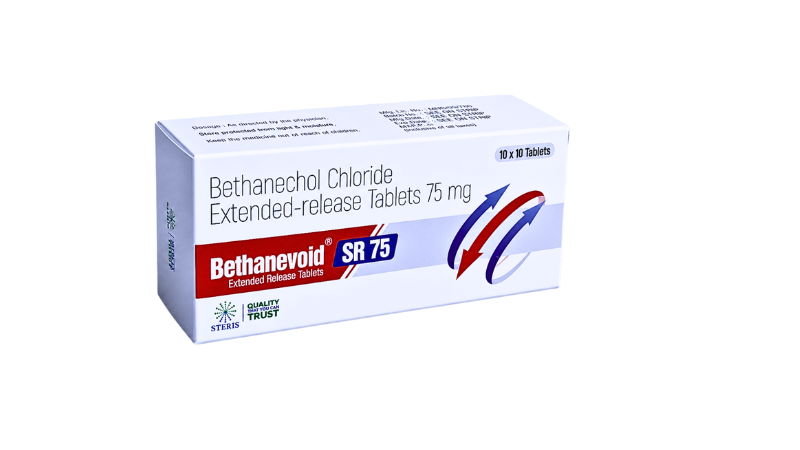
Bethanechol chloride के उपयोग, खुराक और फायदे
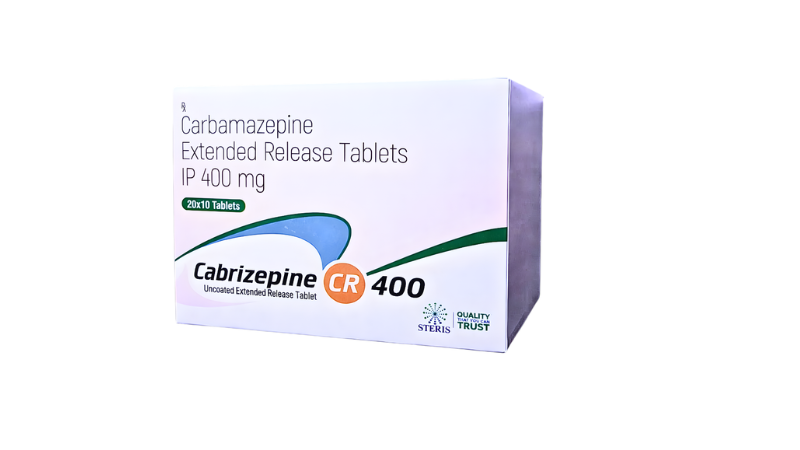
Carbamazepine Tablet के फायदे, नुकसान और सही इस्तेमाल का तरीका
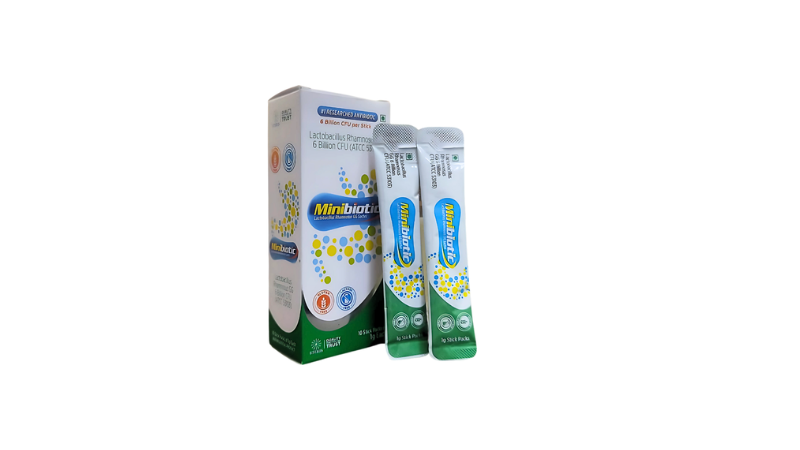
Lactobacillus Rhamnosus GG 6 Billion CFU: उपयोग और सावधानियां
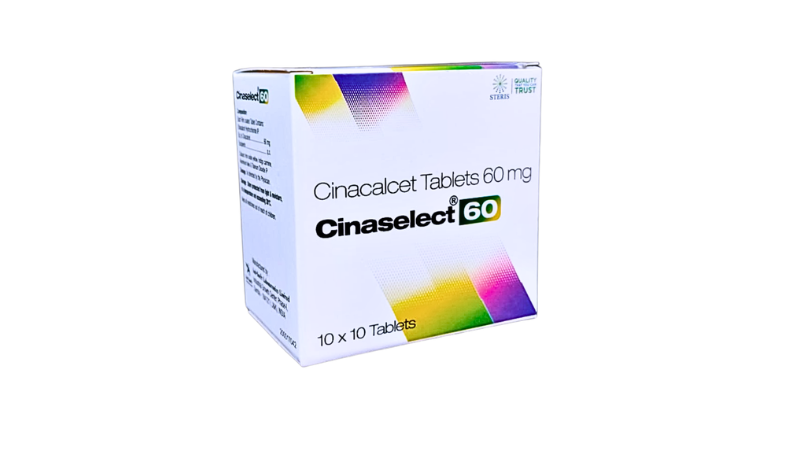
Cinacalcet 60mg: उपयोग, खुराक, फायदे और साइड इफेक्ट्स – पूरी जानकारी
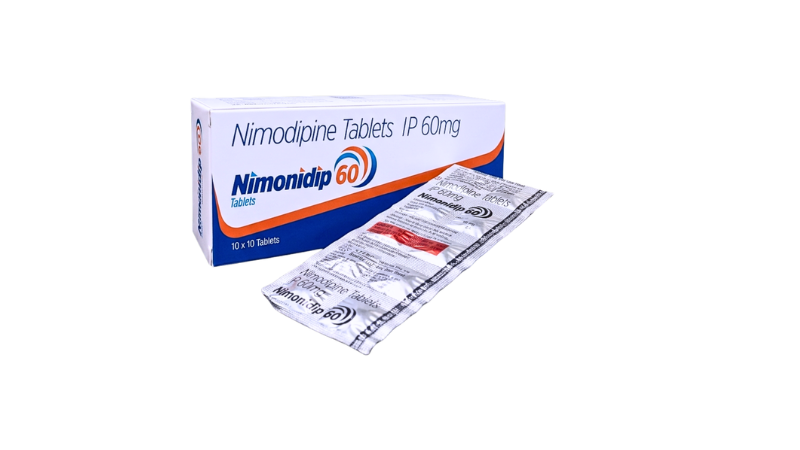
NIMONIDIP 60 : उपयोग, खुराक और सावधानियां
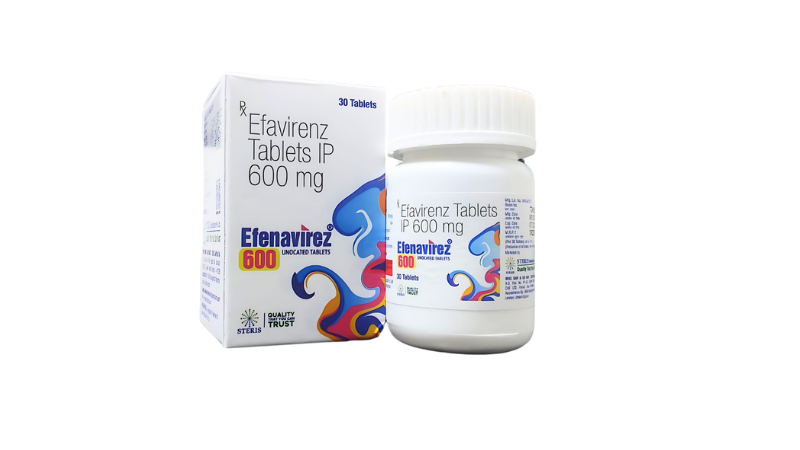
Efavirenz 600mg Tablet – उपयोग, साइड इफेक्ट्स और विकल्प
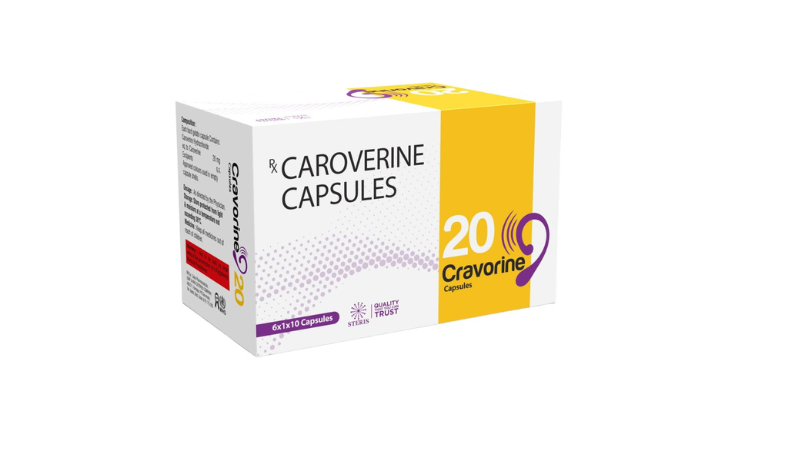
Caroverine Capsules 20mg – उपयोग, खुराक, साइड इफेक्ट्स और विकल्प
Bisoprolol 2.5 mg: उपयोग, फायदे, खुराक और साइड इफेक्ट्स
Methotrexate Tablet क्या है? उपयोग और सावधानियां
Losartan 50mg Tablet:उपयोग, खुराक और साइड इफेक्ट्स

