


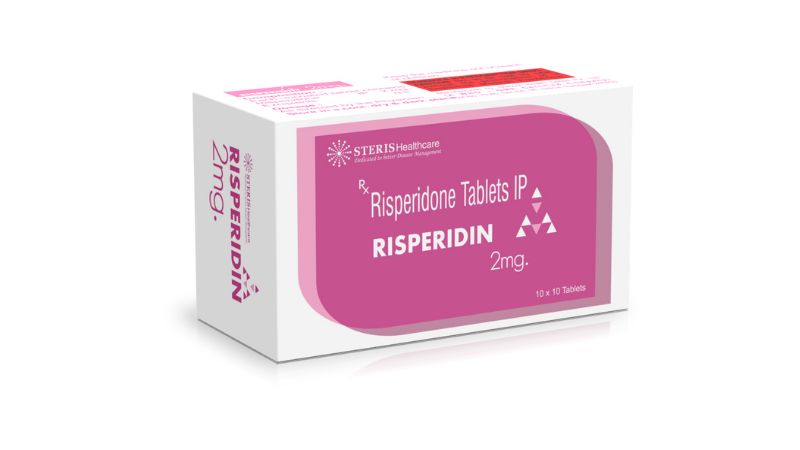



RISPERIDIN 2: Harnessing the Therapeutic Potential of Risperidone 2mg for Mental Health
May 31, 2024
1. Introduction to RISPERIDIN 2
RISPERIDIN 2 is a trusted medication containing Risperidone 2mg, formulated to manage various psychiatric disorders effectively. As a second-generation or atypical antipsychotic, RISPERIDIN 2 offers a balanced approach to treating mental health challenges such as schizophrenia, bipolar disorder, and behavioral issues associated with autism spectrum disorder.
This content aims to provide a detailed understanding of RISPERIDIN 2, its uses, benefits, precautions, and answers to frequently asked questions, catering both to patients and healthcare professionals.
2. What is Risperidone?
Risperidone is an atypical antipsychotic drug that helps balance brain chemicals, particularly dopamine and serotonin. Unlike typical antipsychotics, Risperidone targets multiple neurotransmitter pathways, resulting in fewer side effects, especially movement-related disorders. It is used widely in psychiatry for managing psychotic symptoms and mood disorders.
3. Composition and Formulation of RISPERIDIN 2
- Active Ingredient: Risperidone 2mg
- Inactive Ingredients: May include fillers, binders, coloring agents depending on the manufacturer (e.g., lactose, magnesium stearate, microcrystalline cellulose).
RISPERIDIN 2 tablets are manufactured under stringent quality protocols to ensure uniformity, efficacy, and patient safety.
4. How RISPERIDIN 2 Works
Risperidone acts on dopamine D2 and serotonin 5-HT2A receptors in the brain. The drug blocks excessive dopamine activity, which is responsible for psychotic symptoms like hallucinations and delusions. Simultaneously, it modulates serotonin receptors to improve mood and reduce anxiety. This combined effect provides comprehensive symptom control.
5. Therapeutic Uses and Indications
RISPERIDIN 2 is prescribed for:
- Schizophrenia: Treats both positive symptoms (hallucinations, delusions) and negative symptoms (emotional withdrawal, apathy).
- Bipolar Disorder: Effective in managing manic or mixed episodes and maintaining mood stability.
- Autism Spectrum Disorder: Controls irritability, aggression, and self-injurious behavior.
- Other Uses: Sometimes used off-label for severe behavioral problems or psychosis under medical supervision.
6. Dosage and Administration
- Standard adult dose often starts at 2mg daily, adjusted based on clinical response.
- The dose can be taken once or twice daily, orally, with or without food.
- Dosage modifications are guided by healthcare providers considering patient tolerance, age, and condition severity.
- Adherence to the prescribed regimen is crucial for effectiveness and minimizing side effects.
7. Benefits of RISPERIDIN 2
- Symptom Relief: Controls hallucinations, delusions, mood swings, and aggression effectively.
- Mood Stabilization: Assists in managing bipolar disorder symptoms, preventing relapse.
- Improved Social Functioning: Helps patients engage better with family, work, and social settings.
- Better Side Effect Profile: Reduced risk of movement disorders compared to first-generation antipsychotics.
- Convenient Dosing: 2mg tablets allow flexible dosing adjustments.
8. Potential Side Effects
Common Side Effects:
- Drowsiness or sedation
- Weight gain and increased appetite
- Dizziness or orthostatic hypotension
- Dry mouth
- Gastrointestinal issues like constipation or nausea
- Restlessness or akathisia
Serious Side Effects (Seek medical help immediately):
- Neuroleptic Malignant Syndrome (NMS) – high fever, muscle rigidity, confusion
- Extrapyramidal Symptoms (EPS) – tremors, rigidity, uncontrollable movements
- Severe allergic reactions – rash, swelling, difficulty breathing
- Changes in heart rhythm or palpitations
- High blood sugar or diabetes onset
9. Precautions and Warnings
- Not recommended for elderly patients with dementia-related psychosis due to increased mortality risk.
- Use cautiously if you have cardiovascular disease, diabetes, liver/kidney issues, or seizure history.
- Regular monitoring of blood sugar, weight, cholesterol, and blood pressure is advised during prolonged treatment.
- Avoid abrupt discontinuation to prevent withdrawal or relapse. Consult your doctor for tapering plans.
- Inform your doctor about all other medications to avoid interactions.
10. Drug Interactions
RISPERIDIN 2 can interact with:
- CNS depressants (alcohol, benzodiazepines) increasing sedation.
- Blood pressure medications may potentiate hypotension.
- Drugs that inhibit or induce CYP450 enzymes affect Risperidone metabolism.
- Other psychiatric medications, including antidepressants and mood stabilizers.
Always disclose all current medications to your healthcare provider.
11. Storage and Handling
- Store RISPERIDIN 2 tablets at room temperature, away from moisture, heat, and direct sunlight.
- Keep out of reach of children and pets.
- Do not use after the expiry date printed on the package.
12. Patient Advice and Tips
- Take RISPERIDIN 2 exactly as prescribed; do not alter doses without consulting your doctor.
- Avoid alcohol as it can worsen side effects.
- Maintain a healthy diet and exercise routine to manage weight gain risk.
- Report any unusual symptoms or side effects promptly.
- Attend all scheduled follow-ups for monitoring and dose adjustments.
13. RISPERIDIN 2 and Lifestyle Considerations
- Diet: Balanced nutrition helps offset metabolic side effects.
- Exercise: Regular activity supports cardiovascular health and weight control.
- Mental Health Support: Combining RISPERIDIN 2 with therapy or counseling enhances outcomes.
- Avoid Driving or Operating Machinery: Until you know how RISPERIDIN 2 affects you, as it may cause drowsiness or dizziness.
14. Conclusion
RISPERIDIN 2 (Risperidone 2mg) is an effective, well-tolerated atypical antipsychotic that plays a crucial role in managing schizophrenia, bipolar disorder, and behavioral problems related to autism. With its balanced neurotransmitter action and flexible dosing, it offers symptom relief and improves patient quality of life.
15. Frequently Asked Questions (FAQs)
1. What is RISPERIDIN 2 used for?
RISPERIDIN 2 treats schizophrenia, bipolar disorder, and irritability related to autism spectrum disorder.
2. How long does RISPERIDIN 2 take to work?
You may notice improvement within 1-2 weeks, but full benefits typically develop over several weeks.
3. Can I take RISPERIDIN 2 with food?
Yes, RISPERIDIN 2 can be taken with or without food.
4. What if I miss a dose?
Take it as soon as you remember unless it’s near the next scheduled dose. Do not double up.
5. Can RISPERIDIN 2 cause weight gain?
Yes, weight gain is a common side effect. Discuss with your doctor ways to manage it.
6. Is RISPERIDIN 2 addictive?
No, RISPERIDIN 2 is not addictive but should be used as prescribed.
7. Can I drink alcohol while on RISPERIDIN 2?
Alcohol may increase side effects and is generally discouraged.
8. Can RISPERIDIN 2 be used in children?
It may be prescribed for adolescents under medical supervision, particularly for autism-related irritability.
9. What should I do if I experience side effects?
Report any severe or unusual symptoms to your doctor immediately.
10. Can I stop RISPERIDIN 2 suddenly?
No, stopping suddenly can cause withdrawal symptoms; consult your doctor for a tapering plan.
11. Is RISPERIDIN 2 safe during pregnancy?
RISPERIDIN 2 should be used during pregnancy only if the benefit outweighs risk and under medical supervision.
12. How should RISPERIDIN 2 be stored?
Store in a cool, dry place away from sunlight and moisture, out of reach of children.
Recent Post
Semaglutide Injection in Hindi: Uses, Dosage, Side Effects और Price
Dapagliflozin, Vildagliptin & Metformin 1000mg की पूरी जानकारी
Dapagliflozin 10mg + Vildagliptin 100mg + Metformin 500mg: ट्रिपल-एक्शन दवा कैसे करती है शुगर कंट्रोल?
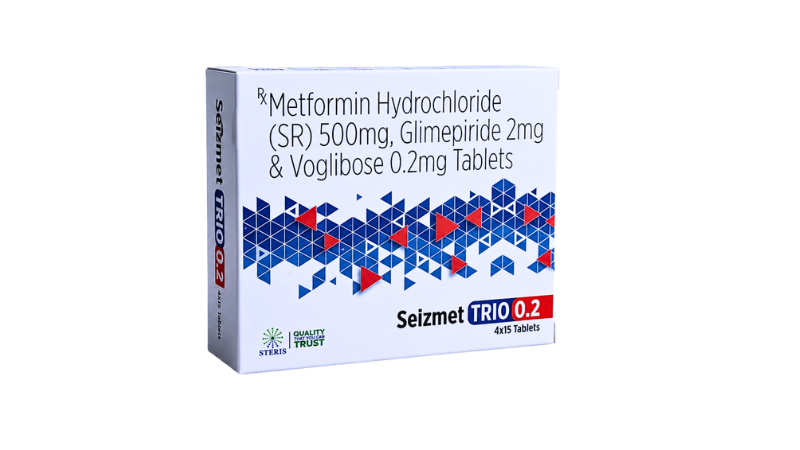
Glimepiride 2mg, Metformin 500mg और Voglibose 0.2mg दवा कब और कैसे लें? पूरी जानकारी
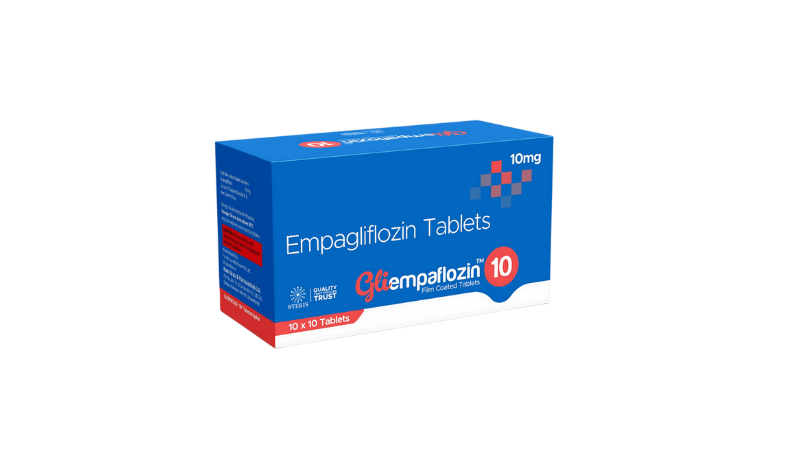
Empagliflozin 10 mg Tablet: टाइप 2 डायबिटीज और दिल की सेहत के लिए क्यों है खास?
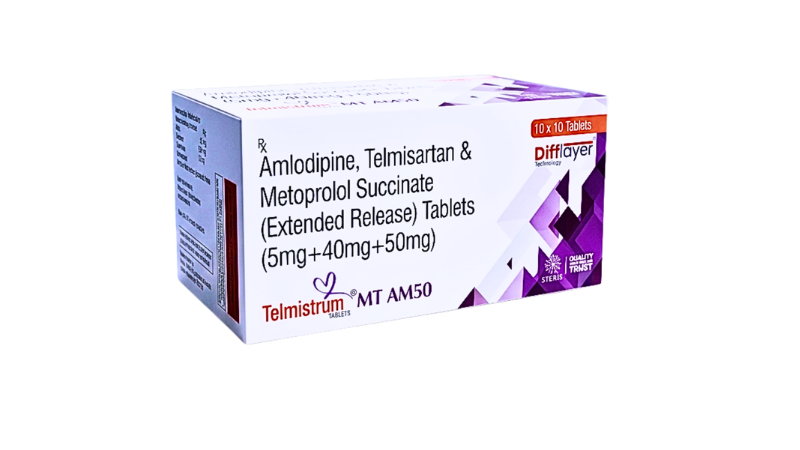
Amlodipine 5 mg + Telmisartan 40 mg + Metoprolol 50 mg: उपयोग, फायदे और खुराक
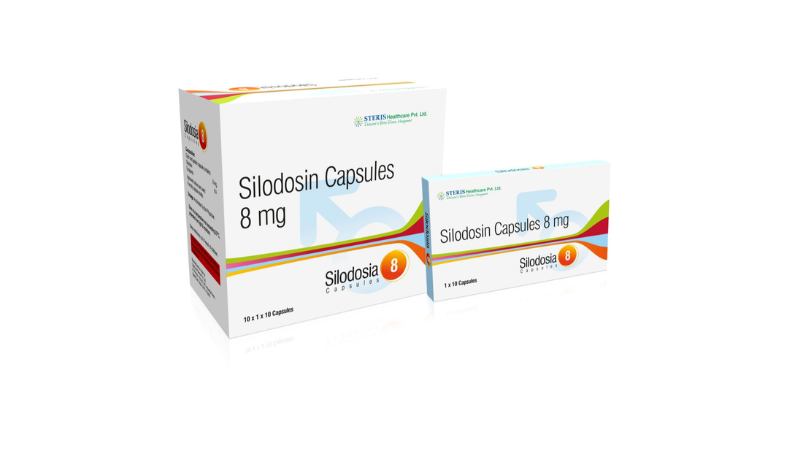
Silodosin 8 mg Tablet: उपयोग, लाभ, कीमत और खरीदने की जानकारी
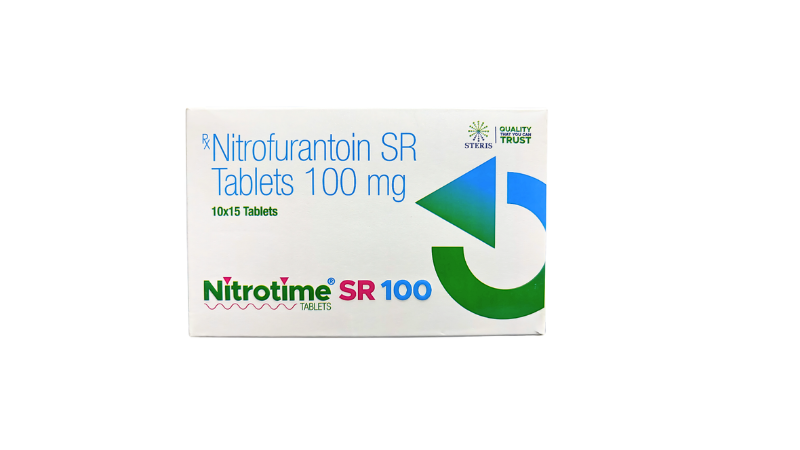
Nitrofurantoin Sustained Release Tablets: कैसे काम करती हैं, फायदे, नुकसान और डोज़ गाइड
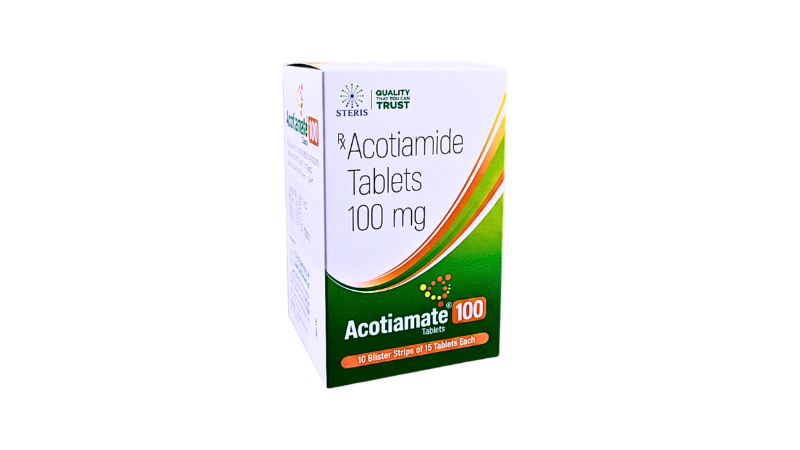
Acotiamide Tablet Uses in Hindi: कैसे काम करती है, फायदे, नुकसान और डोज़ गाइड
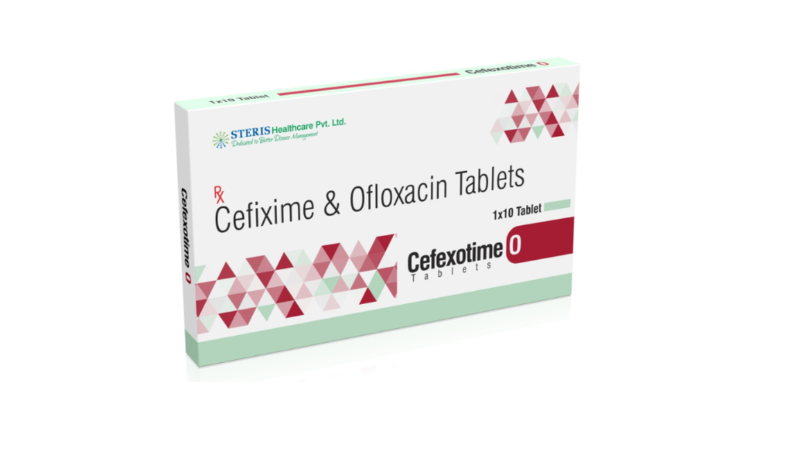
Cefixime 200mg + Ofloxacin 200mg Tablet: उपयोग, फायदे और सही खुराक की पूरी जानकारी