


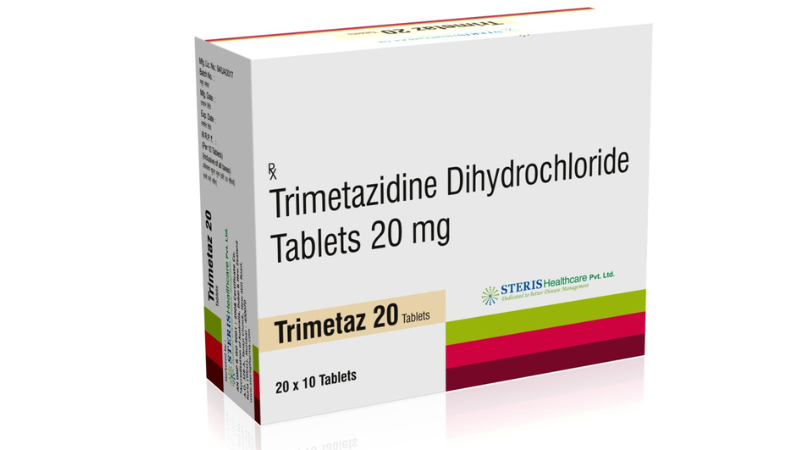



TRIMETAZ 20 uses, benefits, side effects and more
Mar 30, 2024
The heart is the hardest working muscle in the human body. It beats roughly 100,000 times a day, requiring a constant and immense supply of energy and oxygen. However, for millions of people worldwide, this supply is compromised by a condition known as Angina Pectoris—chest pain caused by reduced blood flow to the heart muscles.
When standard treatments like beta-blockers or nitrates aren't enough, or when patients cannot tolerate their side effects, modern medicine turns to metabolic solutions.
Introducing TRIMETAZ 20, a specialized pharmaceutical formulation designed to optimize cardiac energy metabolism. Containing Trimetazidine Sustained Release (SR) 20mg, TRIMETAZ 20 represents a shift in how we treat heart ischemia. Instead of just changing the blood flow (hemodynamics), TRIMETAZ 20 changes how the heart uses energy, making it more efficient even when oxygen levels are low.
In this extensive guide, we will explore the science behind TRIMETAZ 20, who it is for, how to take it, and why it is a vital tool in the management of coronary artery disease.
What is TRIMETAZ 20?
TRIMETAZ 20 is a prescription medication belonging to a class of drugs known as cytoprotective anti-ischemic agents (or metabolic modulators).
The Composition
Each tablet of TRIMETAZ 20 contains:
- Active Ingredient: Trimetazidine Hydrochloride
- Strength: 20 mg
- Formulation: Sustained Release (SR) / Modified Release
Understanding "Sustained Release" (SR)
The "SR" in the composition is crucial. Standard Trimetazidine is released into the body quickly, requiring frequent dosing. TRIMETAZ 20 is formulated to release the medication slowly and steadily over several hours.
- Benefit 1: It maintains stable levels of the drug in the bloodstream, avoiding "peaks and troughs."
- Benefit 2: It provides continuous protection against angina attacks throughout the day.
- Benefit 3: It improves patient compliance (it is easier to remember to take).
The Medical Condition: Understanding Angina Pectoris
To understand why TRIMETAZ 20 is necessary, one must understand the problem it solves: Ischemia.
Ischemia occurs when the demand for oxygen by the heart muscle exceeds the supply delivered by the coronary arteries. This usually happens due to:
- Atherosclerosis: Narrowing of arteries due to plaque buildup.
- Exertion: Physical activity raising the heart rate.
- Stress: Emotional stress causing vasoconstriction.
When the heart cells (cardiomyocytes) are starved of oxygen, they switch their energy production method. They stop burning energy efficiently and start producing lactic acid. This leads to pain (Angina), stiffening of the heart muscle, and potential cell death.
Symptoms of Angina include:
- Squeezing pressure or heaviness in the chest.
- Pain radiating to the left arm, neck, jaw, or back.
- Shortness of breath.
- Fatigue.
TRIMETAZ 20 is specifically indicated for the symptomatic treatment of stable angina pectoris in adult patients who are inadequately controlled by or intolerant to first-line anti-anginal therapies.
Mechanism of Action: How TRIMETAZ 20 Works
Most heart medications work by slowing the heart down (Beta-blockers) or widening the arteries (Nitrates/Calcium Channel Blockers). TRIMETAZ 20 works differently. It works at the cellular level.
The Metabolic Shift
To function, the heart burns fuel to create ATP (energy). It has two fuel sources:
- Fatty Acids (Fats): This is the heart's preferred fuel, but it "costs" a lot of oxygen to burn.
- Glucose (Sugar): This is a secondary fuel, but it is very "cheap" to burn—it requires much less oxygen to produce the same amount of energy.
In an ischemic heart (low oxygen), burning fat is dangerous because there isn't enough oxygen to complete the process.
TRIMETAZ 20 inhibits an enzyme called 3-ketoacyl-CoA thiolase (3-KAT).
- By blocking this enzyme, it stops the heart from burning fatty acids.
- It forces the heart to switch to burning Glucose.
- The Result: The heart produces energy more efficiently, using less oxygen.
Cellular Protection
By optimizing energy metabolism, TRIMETAZ 20:
- Prevents the buildup of lactic acid inside the cells.
- Protects the cell membrane from damage.
- Prevents the depletion of ATP (energy stores).
- Reduces the frequency of angina attacks without lowering blood pressure or heart rate.
Indications and Usage
TRIMETAZ 20 is prescribed for:
1. Chronic Stable Angina
This is the primary use. It is used as an add-on therapy. If a patient is taking a Beta-Blocker (like Metoprolol) or a Calcium Channel Blocker (like Amlodipine) and still experiences chest pain, adding TRIMETAZ 20 can significantly reduce the number of weekly attacks and the consumption of nitroglycerin tablets.
2. Other Uses (Historical & Off-Label)
Note: Usage depends on country-specific regulations.
- Tinnitus & Vertigo: In some regions, Trimetazidine has been used to treat ringing in the ears and dizziness caused by Meniere’s disease, believed to be due to ischemia in the inner ear.
- Visual Field Disorders: Problems with vision related to vascular origins.
However, modern guidelines (such as those from the European Medicines Agency) recommend restricting its use primarily to cardiac angina.
Dosage and Administration
Always follow the prescription provided by your healthcare provider. The following is a general guide for Trimetazidine SR 20mg.
- Standard Dose: Usually, one tablet of TRIMETAZ 20 is taken two or three times daily, depending on the severity of the condition and the doctor’s advice.
- Timing: It should be taken with meals (e.g., one with breakfast and one with dinner). Taking it with food improves absorption and reduces the risk of gastric upset.
- Method: Swallow the tablet whole with a glass of water.
- Do Not Crush or Chew: Because this is a Sustained Release (SR) formulation, crushing the tablet breaks the slow-release mechanism, dumping the entire dose into the system at once, which can lead to side effects.
Missed Dose
If you miss a dose, take it as soon as you remember. If it is nearly time for the next dose, skip the missed one. Do not double the dose to compensate.
Side Effects and Safety Profile
TRIMETAZ 20 is generally well-tolerated, but like all pharmaceutical products, it carries the risk of side effects.
Common Side Effects (Affecting up to 1 in 10 people)
- Gastrointestinal Issues: Abdominal pain, diarrhea, dyspepsia (indigestion), nausea, and vomiting. Taking the medication with food minimizes these effects.
- Nervous System: Dizziness, headache.
- Skin: Rash, itching (pruritus), hives.
- General: Asthenia (feeling of weakness).
Rare but Serious Side Effects (The "Movement" Warning)
Trimetazidine can induce or worsen symptoms resembling Parkinson's disease, especially in elderly patients. This is rare but important to watch for. Symptoms include:
- Tremors (shaking of hands or fingers).
- Rigidity (stiff muscles).
- Akinesia (difficulty initiating movement).
- Unsteady gait or walking imbalances.
- Restless Leg Syndrome.
If you or a family member notice these symptoms, stop the medication and consult a doctor immediately. These symptoms are usually reversible upon discontinuation of the drug.
Very Rare Side Effects
- Thrombocytopenia (low platelet count).
- Hepatitis (liver inflammation).
Contraindications: Who Should NOT Take TRIMETAZ 20?
Do not take TRIMETAZ 20 if:
- Hypersensitivity: You are allergic to Trimetazidine or any of the excipients in the tablet.
- Parkinson’s Disease: Because the drug can worsen movement disorders, it is contraindicated in patients with existing Parkinson’s disease, tremors, or restless leg syndrome.
- Severe Renal Impairment: The kidneys eliminate this drug. If you have severe kidney failure (Creatinine clearance < 30 ml/min), this drug can build up to toxic levels.
- Pregnancy and Breastfeeding: There is insufficient data on the safety of Trimetazidine during pregnancy. It is generally advised to avoid it. It is not known if it passes into breast milk, so breastfeeding is not recommended during treatment.
Drug Interactions
TRIMETAZ 20 has a favorable interaction profile compared to other heart medications.
- No Hemodynamic Interaction: Because it does not lower blood pressure or heart rate, it can be safely combined with Beta-blockers, Calcium Channel Blockers, Nitrates, and ACE Inhibitors.
- No Is interactions: It does not interact with Digoxin or blood thinners like Warfarin.
However, always inform your doctor about all medications, supplements, and herbal products you are taking to ensure total safety.
Life with Angina: Maximizing the Effect of TRIMETAZ 20
Medication is only one pillar of treating Coronary Artery Disease. To truly protect your heart and reduce angina attacks, TRIMETAZ 20 should be part of a broader lifestyle strategy.
1. The Cardiac Diet
Since atherosclerosis (plaque buildup) is the root cause of ischemia, diet is key.
- Reduce Saturated Fats: Limit red meat, butter, and cheese.
- Increase Omega-3s: Eat fatty fish like salmon or mackerel twice a week.
- Fiber is Friend: Oats, legumes, fruits, and vegetables help lower cholesterol.
- Watch the Salt: High sodium raises blood pressure, straining the heart.
2. Controlled Physical Activity
Patients with angina often fear exercise, but sedentary behavior worsens the heart's condition.
- Consult First: Get a "safe zone" heart rate from your doctor.
- Low Impact: Walking, swimming, or light cycling are ideal.
- Listen to your body: If chest pain starts, stop immediately and rest. TRIMETAZ 20 helps improve your "exercise tolerance," meaning you should be able to walk further before pain sets in.
3. Smoking Cessation
Smoking damages the lining of the arteries and reduces the oxygen carrying capacity of the blood. Quitting is the single most effective step for angina patients.
4. Stress Management
Stress releases adrenaline, which makes the heart beat faster and harder—exactly what an ischemic heart doesn't want. Yoga, meditation, and deep breathing can physically lower the heart's oxygen demand.
Comparison: TRIMETAZ 20 vs. Other Angina Medications
Why would a doctor prescribe TRIMETAZ 20 specifically?
Vs. Beta-Blockers
Beta-blockers slow the heart. While effective, they cause fatigue, sexual dysfunction, and can worsen asthma. TRIMETAZ 20 does not affect heart rate, making it a great alternative for patients who feel "wiped out" by beta-blockers.
Vs. Nitrates
Nitrates widen arteries but often cause severe headaches and hypotension (low blood pressure). Patients also build up a "tolerance" to nitrates where they stop working. TRIMETAZ 20 does not cause tolerance and rarely causes headaches.
The "Add-On" Hero
Usually, TRIMETAZ 20 isn't a competitor; it's a teammate. The best results are often seen when TRIMETAZ 20 is added to a standard treatment, providing a "metabolic boost" that drugs affecting blood pressure cannot provide.
Conclusion: Empowering Your Heart with TRIMETAZ 20
Living with Angina Pectoris can be frightening. The fear of chest pain can lead to a shrinking world, where you avoid activities, travel, and exercise. TRIMETAZ 20 offers a path to reclaiming that territory.
By utilizing the advanced science of Trimetazidine SR 20mg, this medication offers a unique shield for your heart cells. It ensures that even when blood flow is restricted, your heart has the efficiency to keep beating strong without pain.
Frequently Asked Questions (FAQ)
Q1: Is TRIMETAZ 20 a blood thinner?
A: No. It does not thin the blood. It affects the metabolism of heart cells. You may still need to take Aspirin or other antiplatelets if prescribed.
Q2: Does TRIMETAZ 20 lower blood pressure?
A: No. Unlike most heart medications, Trimetazidine has practically no effect on blood pressure. This makes it safe for patients who already have low blood pressure.
Q3: Can I drive while taking TRIMETAZ 20?
A: Generally, yes. However, if you experience dizziness or drowsiness (rare side effects), you should avoid driving or operating machinery until you know how the drug affects you.
Q4: How long do I have to take it?
A: Angina is usually a chronic (lifelong) condition. TRIMETAZ 20 is typically intended for long-term use. Do not stop taking it without consulting your doctor, as your angina symptoms may return.
Q5: Can I drink alcohol with this medication?
A: Moderate alcohol consumption usually does not interact dangerously with Trimetazidine. However, alcohol can weaken the heart muscle and raise blood pressure, so it is best to limit intake for general heart health.
Q6: What should I do if I still have chest pain while taking it?
A: TRIMETAZ 20 is a maintenance drug to prevent attacks. It is not a rescue drug for an acute attack. If you are having an active angina attack, use your sublingual (under the tongue) nitrate tablet. If pain persists for more than 15 minutes, seek emergency medical help.
If You Want To Purchase The Product Click Here.
We Have Our Cardiology Range.
Recent Post
RACEDOTIME PRO Sachet: Saccharomyces Boulardii, Lactic Acid Bacillus & Racecadotril के फायदे, उपयोग और सावधानियां
Semaglutide Injection for Weight Loss: Uses, Benefits, How It Works, Safety & SAMIGLUTIDE
Amlodipine and Atenolol Tablets Uses, Dosage & Side Effects Explained
Myo-Inositol D-Chiro-Inositol and Vitamin D3 Tablets — Uses, Dosage & Mechanism of Action
Calcium Carbonate with Collagen Type II: Uses, Benefits & Precautions
Pantoprazole Gastro-Resistant Combo Kit: एसिडिटी, गैस और अल्सर से तुरंत राहत पाने का सही तरीका
TASMULINE 0.4 Tablet Uses in Hindi: तामसुलोसिन 0.4 mg कब, कैसे और क्यों लें?
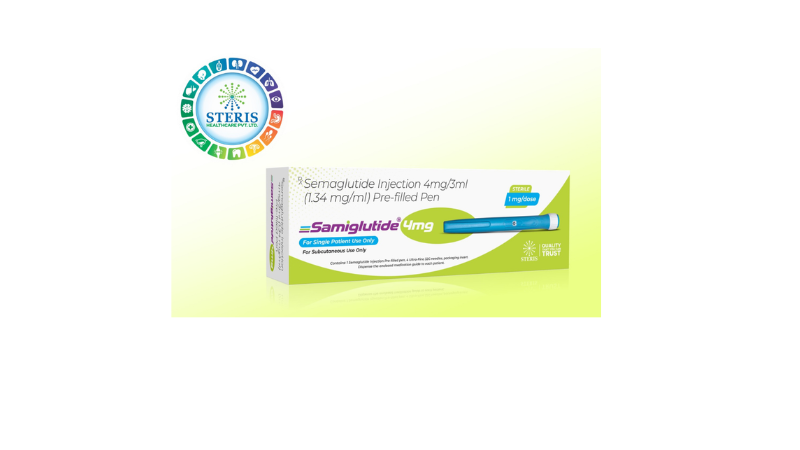
Semaglutide Injection: Uses, Benefits, Side Effects, Dosage & Safety | SAMIGLUTIDE 4 MG
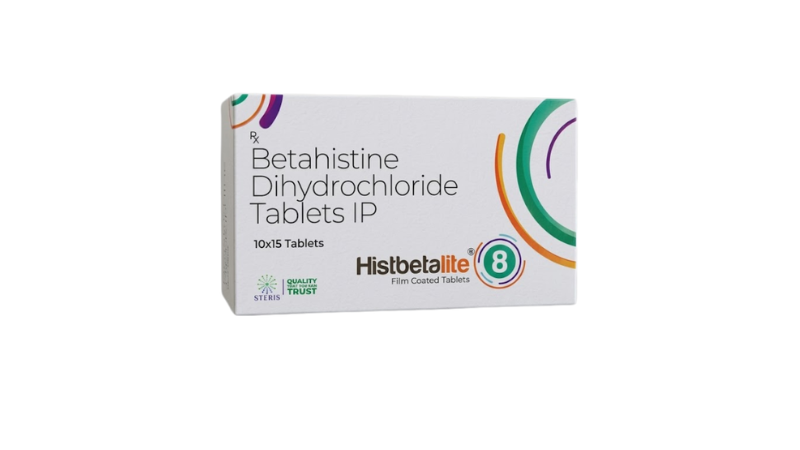
Betahistine Dihydrochloride Tablet: उपयोग, खुराक, दुष्प्रभाव और विकल्प — पूरी जानकारी
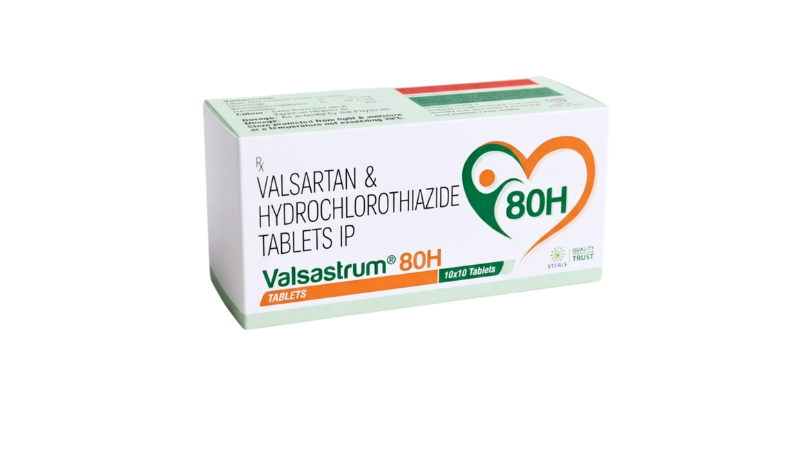
Valsartan 80 mg + Hydrochlorothiazide 12.5 mg Uses in Hindi: जानें इसके मुख्य फायदे और उपयोग