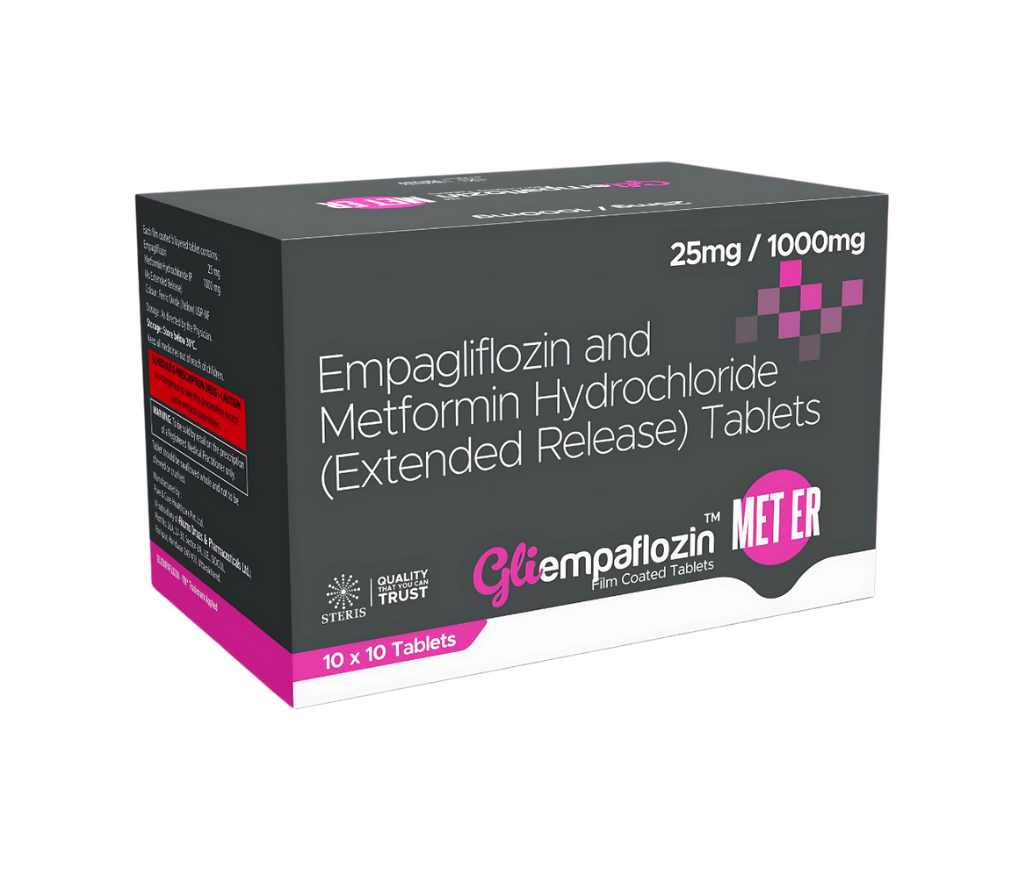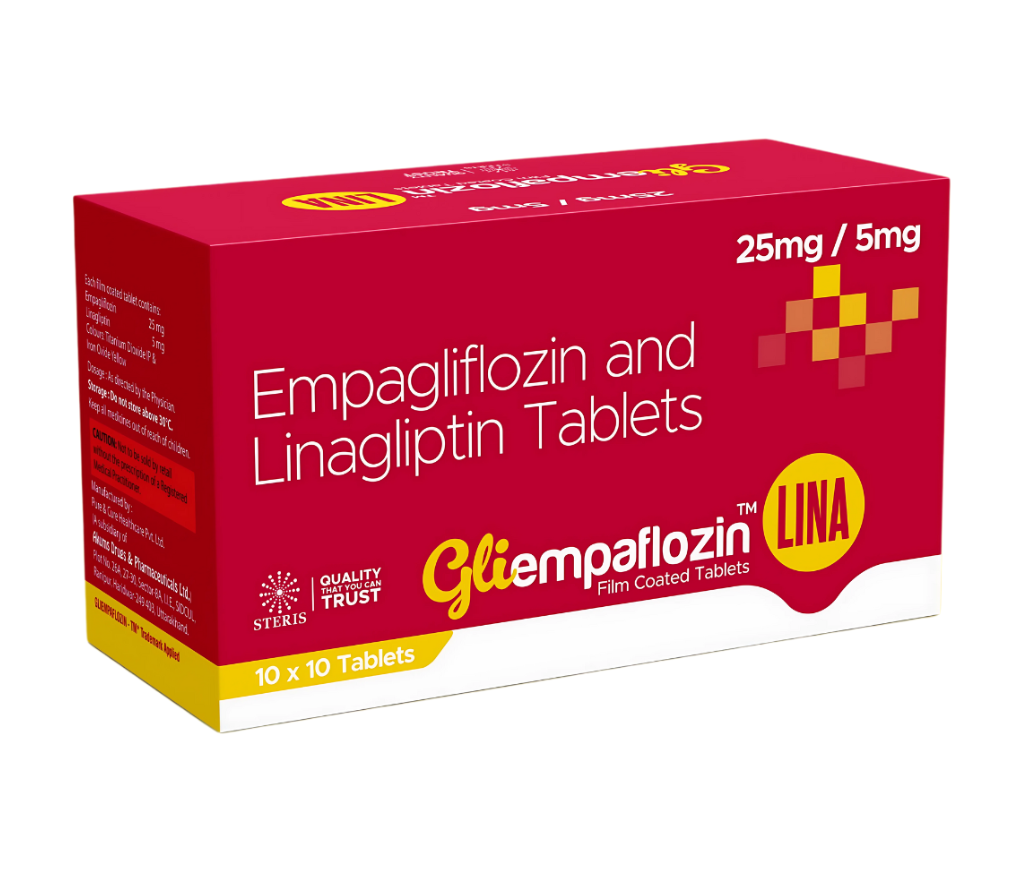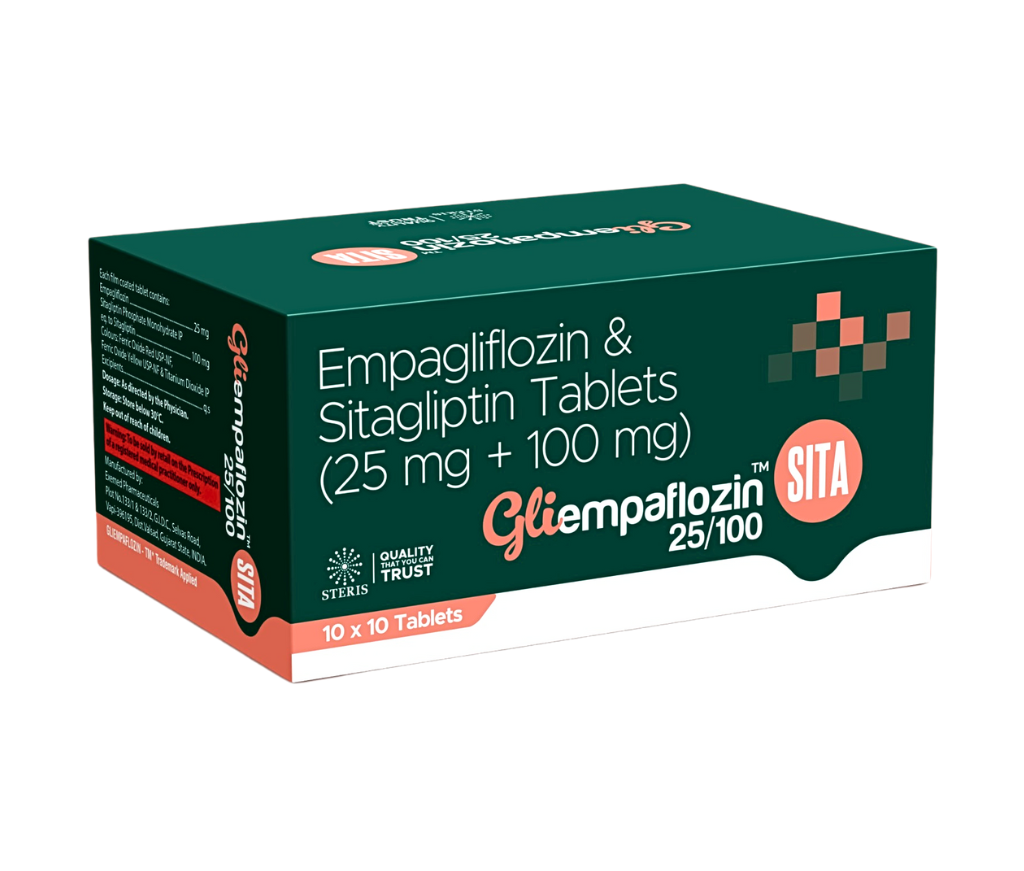

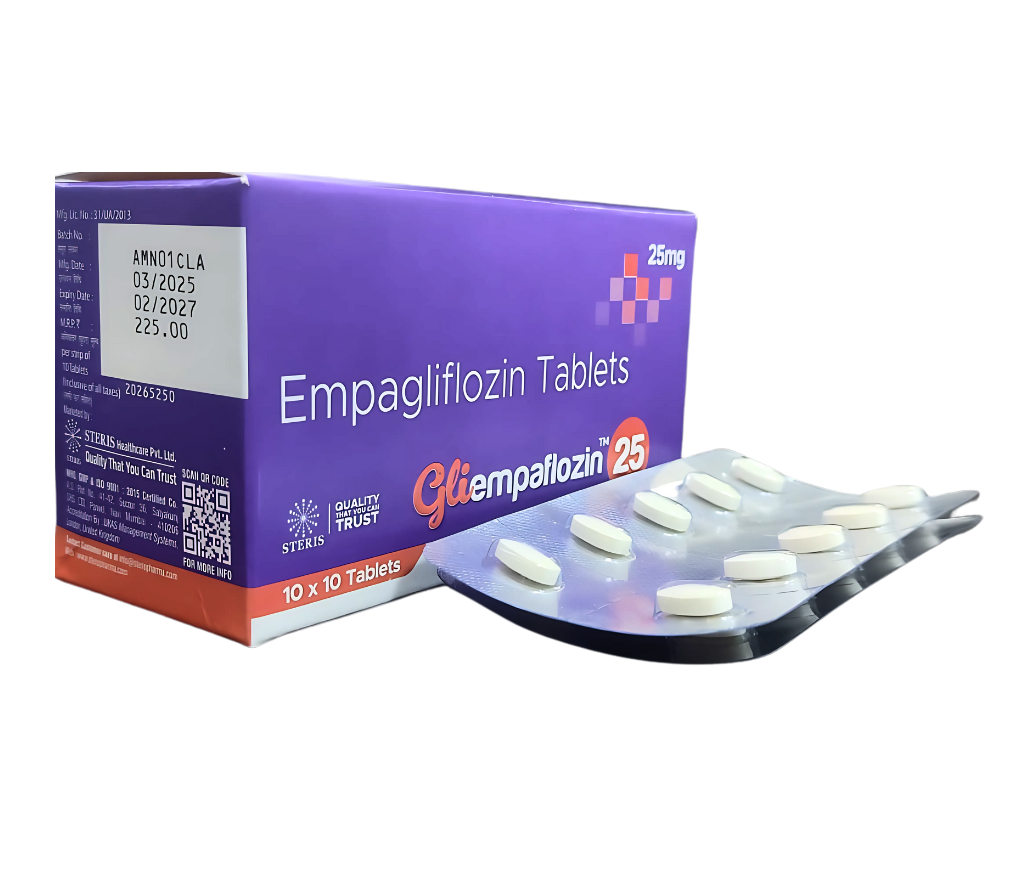
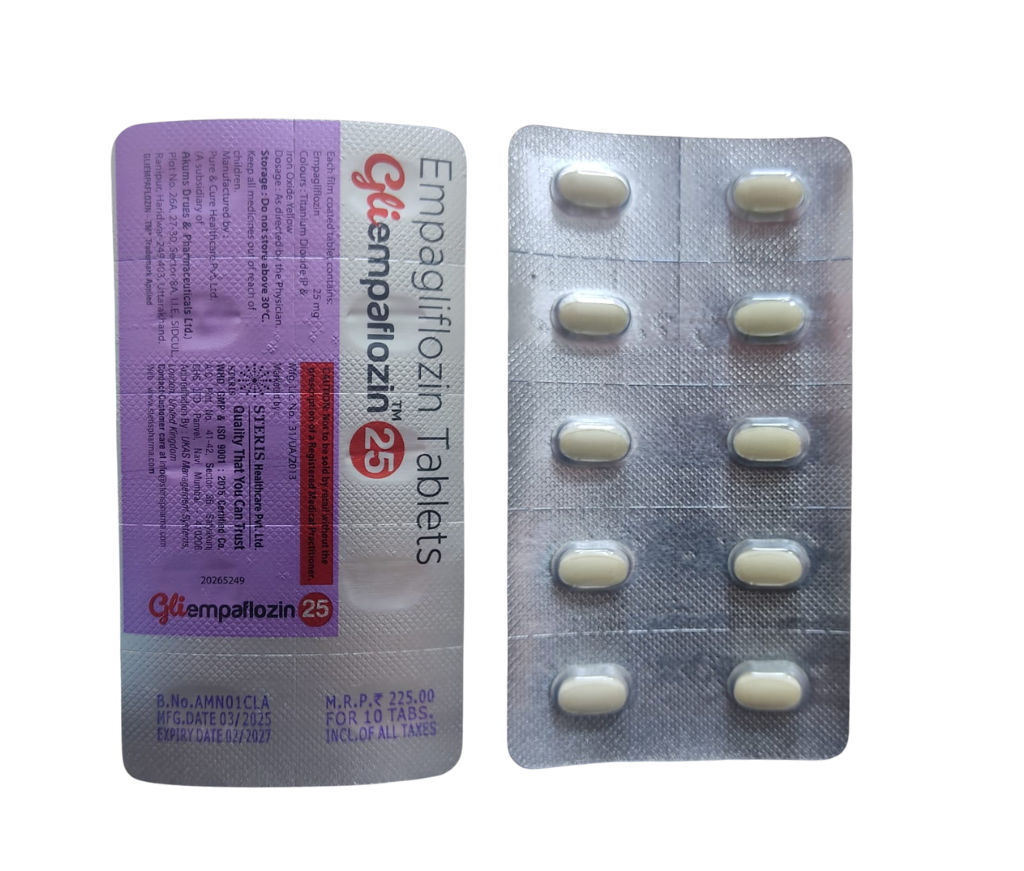
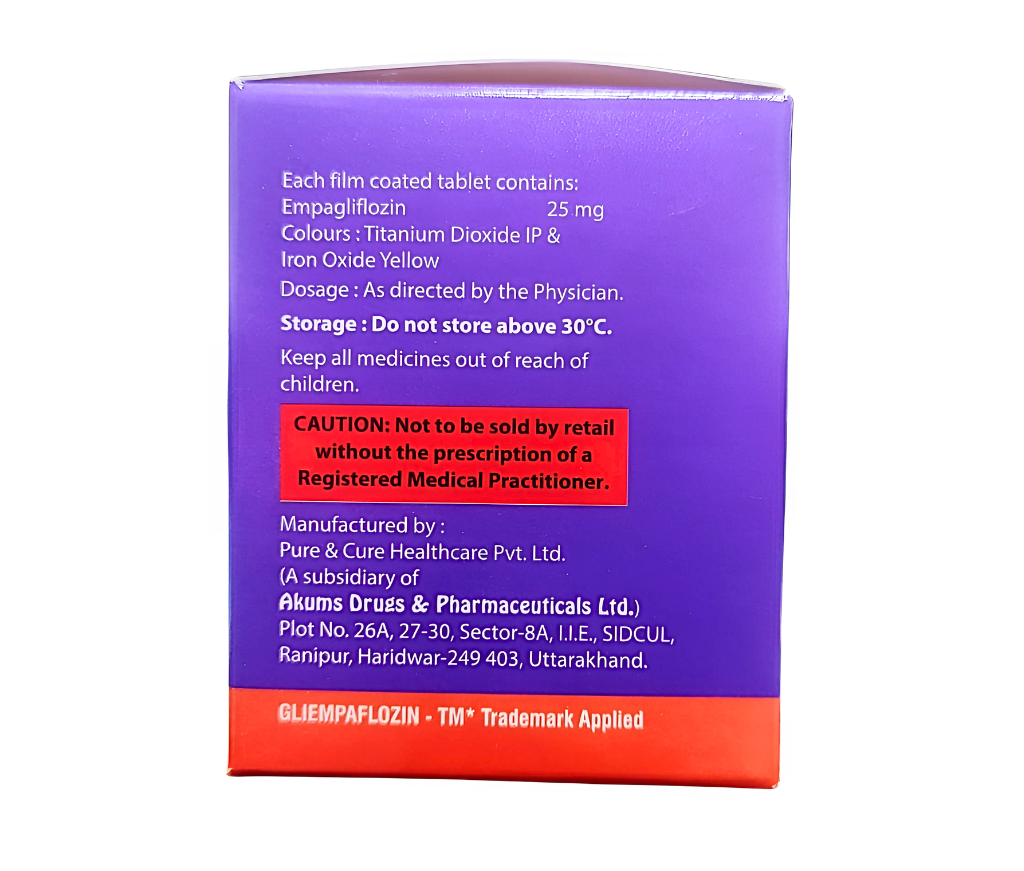
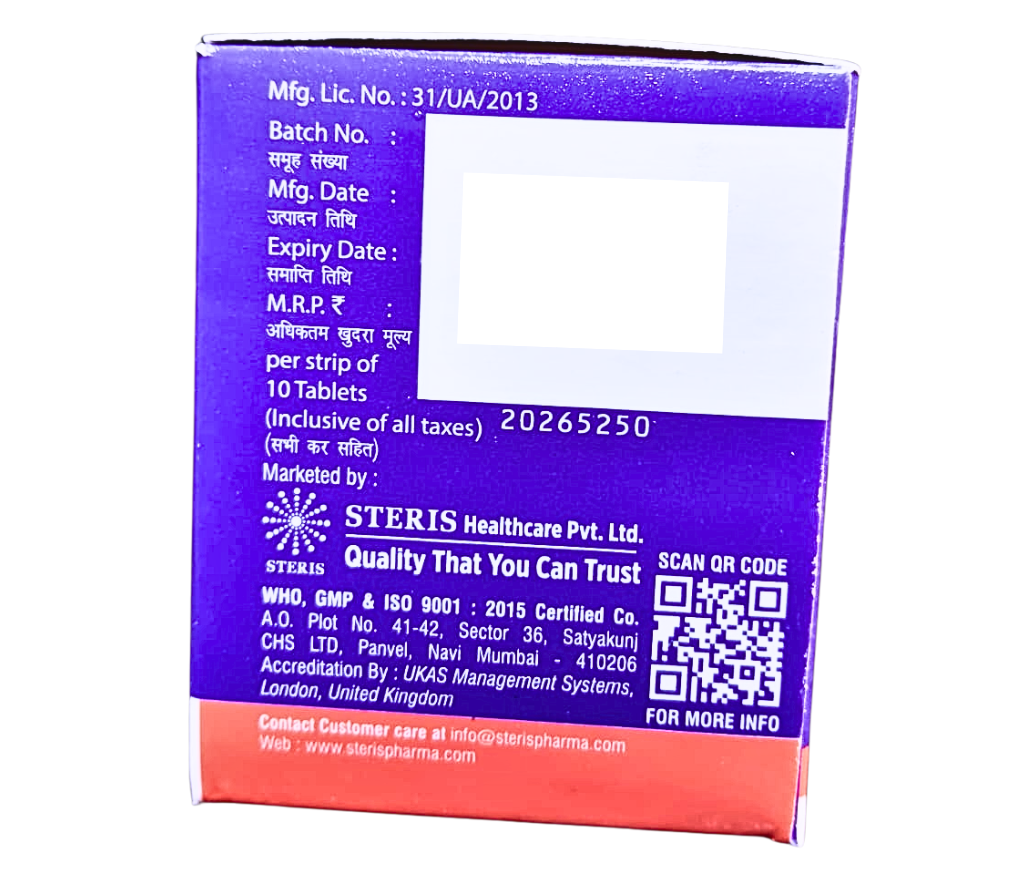
GLIEMPAFLOZIN 25
 Item requires a valid prescription
Manufactured By Steris Healthcare Pvt Ltd
Composition Empagliflozin (25mg)
Rs 137.32
MRP Rs 196.17
(30% OFF)
Includes all taxes
Package SIZE
( For 10 Tablets )

100% Authentic
Products

Free
Shipping*

Products
Return Policy
Description:
Empagliflozin is a prescription medication in the class of SGLT2 inhibitors used to treat diabetes. It blocks the reabsorption of glucose in the kidneys, so excess sugar is excreted in the urine. Empagliflozin 10mg is usually taken once a day in the morning with or without food. It is often taken in combination with metformin. Common side effects include genital yeast infections, urinary tract infections and increased urination; rare but serious risks include diabetic ketoacidosis, dehydration and (very rarely) Fournier's gangrene. Not applicable in type 1 diabetes. Dose modification or withdrawal needed in advanced kidney disease.
What Is Empagliflozin?
Empagliflozin is a prescription medicine belonging to the sodium-glucose cotransporter-2 (SGLT2) inhibitor class—sometimes called "flozins." It is manufactured as a film-coated oral tablet, commonly available in 10mg and 25mg strengths, and is used alone or alongside other antidiabetic medicines such as metformin, insulin, or DPP-4 inhibitors.
Unlike older diabetes drugs that act on insulin secretion or sensitivity, empagliflozin works independently of insulin—making it a useful add-on option for patients who need better glycemic control, cardiovascular protection, or kidney protection alongside their existing regimen.
Clinical Indications Table
| Indication | Approved Use | Typical Patient Profile |
|---|---|---|
| Type 2 Diabetes Mellitus | Improve glycemic control as monotherapy or combination therapy | Adults with T2DM not adequately controlled on diet/exercise alone |
| Heart Failure (HFrEF & HFpEF) | Reduce cardiovascular death and heart failure hospitalization | Adults with or without diabetes, symptomatic heart failure |
| Chronic Kidney Disease (CKD) | Slow progression of kidney function decline | Adults with CKD at risk of progression, with or without diabetes |
Mechanism of Action: How Empagliflozin Works
Empagliflozin selectively inhibits the SGLT2 protein in the proximal renal tubule, the part of the kidney responsible for reabsorbing filtered glucose back into the bloodstream. By blocking this transporter:
- Excess glucose is excreted in urine (a process called glucosuria) instead of being reabsorbed, lowering blood glucose levels independent of insulin.
- Mild osmotic diuresis occurs, reducing plasma volume—this is believed to contribute to its cardiovascular and blood pressure benefits.
- Reduced intraglomerular pressure in the kidneys is thought to help slow the decline of kidney function over time.
- A modest caloric loss occurs through urinary glucose excretion, which can support gradual weight reduction in some patients.
This insulin-independent mechanism is what differentiates empagliflozin from sulfonylureas or insulin, and it's a key reason it carries a lower intrinsic risk of hypoglycemia when used alone.
Key Benefits of Empagliflozin
- Effective blood sugar control: Lowers HbA1c and fasting glucose levels in adults with type 2 diabetes, working well alone or in combination with other antidiabetic drugs.
- Cardiovascular protection: Clinically shown to reduce the risk of cardiovascular death and hospitalization for heart failure, including in patients without diabetes. [REVIEWER TO INSERT verified trial-specific risk-reduction percentages, e.g., EMPA-REG OUTCOME / EMPEROR data, pending citation review.]
- Kidney protection: Helps slow the progression of chronic kidney disease and reduce the risk of kidney-related complications.
- Low hypoglycemia risk when used alone: Because it doesn't stimulate insulin release, the risk of low blood sugar is lower than with sulfonylureas or insulin.
- Modest weight loss: Many patients experience a gradual reduction in body weight due to caloric loss through glucosuria.
- Blood pressure improvement: Its mild diuretic effect can contribute to a modest reduction in systolic and diastolic blood pressure.
- Once-daily oral dosing: Convenient dosing supports long-term adherence compared to multiple daily injections or doses.
Empagliflozin Dosage & Administration
| Parameter | Typical Guidance |
|---|---|
| Starting dose (T2DM) | 10mg once daily, taken in the morning |
| Maximum dose (T2DM) | May be increased to 25mg once daily if additional glycemic control is needed and tolerated |
| Heart failure / CKD dosing | Often prescribed at 10mg once daily regardless of diabetes status |
| With/without food | Can be taken with or without food |
| Missed dose | Take as soon as remembered unless close to the next dose; do not double dose |
| Renal dose adjustment | Required in moderate-to-severe kidney impairment; not recommended to initiate in severe renal impairment or dialysis |
Side Effects of Empagliflozin
Common Side Effects
- Increased urination (polyuria)
- Increased thirst
- Genital yeast infections (candidiasis) in both men and women
- Urinary tract infections (UTIs)
- Mild dizziness, especially on standing (due to fluid loss)
- Upper respiratory tract symptoms
Serious (Less Common) Side Effects
- Diabetic ketoacidosis (DKA), which can occur even with normal or near-normal blood sugar levels ("euglycemic DKA") — seek urgent care for nausea, vomiting, abdominal pain, or unusual fatigue
- Dehydration and low blood pressure, particularly in elderly patients or those on diuretics
- Acute kidney injury, especially if dehydrated
- Fournier's gangrene (a rare but serious genital/perineal infection)—reported very rarely; seek emergency care for genital pain, swelling, redness, or fever
- Hypoglycemia when combined with insulin or sulfonylureas
- Lower limb amputation risk has been studied with this drug class; discuss individual risk factors with your doctor
Who Should Avoid Empagliflozin
- Not recommended for type 1 diabetes or treatment of diabetic ketoacidosis
- Avoid in patients with severe renal impairment or those on dialysis
- Use caution in patients prone to volume depletion (elderly, those on diuretics, low blood pressure)
- Not recommended during pregnancy or breastfeeding — discuss alternatives with your doctor
- Caution advised before surgery; may need to be temporarily stopped
- Should be used carefully in patients with a history of recurrent genital or urinary infections
- Avoid alcohol in excess, as it can worsen dehydration and hypoglycemia risk when combined with other diabetes medicines
Empagliflozin vs. Other Diabetes Medicines
| Feature | Empagliflozin (SGLT2 Inhibitor) | Metformin (Biguanide) | Sulfonylureas (e.g., Glimepiride) |
|---|---|---|---|
| Mechanism | Blocks glucose reabsorption in kidneys | Reduces liver glucose production, improves insulin sensitivity | Stimulates insulin release from pancreas |
| Hypoglycemia risk (alone) | Low | Very low | Higher |
| Weight effect | Modest weight loss | Weight neutral/mild loss | Often weight gain |
| Heart failure benefit | Yes, established | Neutral | Neutral/limited |
| Kidney protection | Yes, established | Requires dose caution in renal impairment | Requires caution in renal impairment |
| Common side effects | Genital infections, UTIs | GI upset (nausea, diarrhea) | Hypoglycemia, weight gain |
| Typical use | First-line add-on, especially with heart/kidney disease | First-line therapy for most T2DM patients | Second/third-line option |
Conclusion
Empagliflozin has become a cornerstone therapy in modern type 2 diabetes management, valued not just for its blood-sugar-lowering effect but for its proven benefits in protecting the heart and kidneys — two of the most common complications diabetic patients face. Its once-daily dosing, relatively low hypoglycemia risk when used alone, and added benefits like modest weight loss and blood pressure improvement make it a well-rounded option for many adults with type 2 diabetes, heart failure, or chronic kidney disease. That said, empagliflozin is a prescription-only medicine, and its suitability depends on individual kidney function, hydration status, and other health conditions. Always consult your doctor before starting, stopping, or combining empagliflozin with other medications, and report any unusual symptoms — especially signs of dehydration, genital infection, or ketoacidosis — promptly.
Frequently Asked Questions
1. What is the drug empagliflozin used for?
Empagliflozin is used to lower blood sugar in adults with type 2 diabetes and is also prescribed to reduce the risk of cardiovascular death and hospitalization in heart failure patients and to slow the progression of chronic kidney disease.
2. Can empagliflozin damage your kidneys?
No—empagliflozin is actually used to help protect kidney function and slow CKD progression in most patients. However, it can occasionally cause dehydration-related kidney strain, especially if a person becomes dehydrated, so adequate fluid intake and regular kidney function monitoring are important.
3. What is the difference between empagliflozin and metformin?
Empagliflozin is an SGLT2 inhibitor that removes excess sugar through urine, while metformin is a biguanide that reduces glucose production in the liver and improves insulin sensitivity. They work differently and are often prescribed together for better blood sugar control.
4. When is the best time to take empagliflozin?
Empagliflozin is typically taken once daily in the morning, with or without food. Morning dosing helps reduce nighttime urination. Always follow your doctor's specific instructions.
5. What is the most common side effect of empagliflozin?
The most commonly reported side effects are genital yeast infections and urinary tract infections, along with increased urination and thirst, due to the way the drug removes sugar through urine.
6. Can I take metformin and empagliflozin at the same time?
Yes, metformin and empagliflozin are frequently prescribed together, as they work through complementary mechanisms to improve blood sugar control. Your doctor will determine the right combination and doses for you.
7. What is the best medicine to reduce HbA1c?
There is no single "best" medicine for everyone — the right choice depends on individual health factors like kidney function, heart health, and weight. Metformin is usually first-line, while empagliflozin and other SGLT2 inhibitors are strong options for patients who also have heart failure or CKD. Your doctor can recommend the most suitable option for your HbA1c goals.
8. Is empagliflozin a high risk medication?
Empagliflozin is generally considered safe and effective when prescribed appropriately, but like all medications, it carries risks, including rare but serious ones such as diabetic ketoacidosis and Fournier's gangrene. It should only be used under medical supervision with appropriate monitoring.
9. Is empagliflozin with metformin safe for kidneys?
Empagliflozin combined with metformin is commonly used and is generally considered kidney-protective for empagliflozin's part, though metformin requires dose adjustment or avoidance in significant renal impairment. Kidney function should be monitored regularly by your doctor.
10. Which diabetes medicine is safest for kidneys?
SGLT2 inhibitors like empagliflozin, along with certain GLP-1 receptor agonists, are currently considered among the most kidney-protective diabetes medicine classes available, particularly for patients with existing chronic kidney disease. The safest choice for any individual should be determined by their doctor based on their specific kidney function and health profile.
11. Can empagliflozin cause weight loss?
Yes, many patients experience modest weight loss while taking empagliflozin because excess glucose (and the calories it represents) is excreted through urine rather than stored in the body.
12. Does empagliflozin cause low blood sugar (hypoglycemia)?
When used alone, empagliflozin has a low risk of causing hypoglycemia because it doesn't stimulate insulin release. However, the risk increases when it's combined with insulin or sulfonylureas.
13. How long does it take for empagliflozin to start working?
Empagliflozin begins lowering blood sugar within days of starting treatment, but its full effect on HbA1c is usually assessed after about 12 weeks of consistent use.
14. Can empagliflozin be used by people without diabetes?
Yes—empagliflozin is approved for certain non-diabetic patients with heart failure or chronic kidney disease, based on its proven cardiovascular and renal benefits independent of blood sugar control.
15. What should I avoid while taking empagliflozin?
Avoid excessive alcohol, stay well-hydrated, watch for signs of genital or urinary infections, and inform your doctor before any surgery or if you experience symptoms of dehydration or unusual fatigue, nausea, or abdominal pain.
16. Is empagliflozin safe for elderly patients?
Empagliflozin can be used in elderly patients but requires extra caution due to a higher risk of dehydration, low blood pressure, and kidney function changes in this age group. Regular monitoring is recommended.
17. What foods or lifestyle changes support empagliflozin treatment?
Staying well-hydrated, maintaining good genital hygiene to reduce infection risk, following a balanced diabetic diet, and regular physical activity can all support the effectiveness and safety of empagliflozin therapy.
If You Need More Information About GLIEMPAFLOZIN 25 Click here