
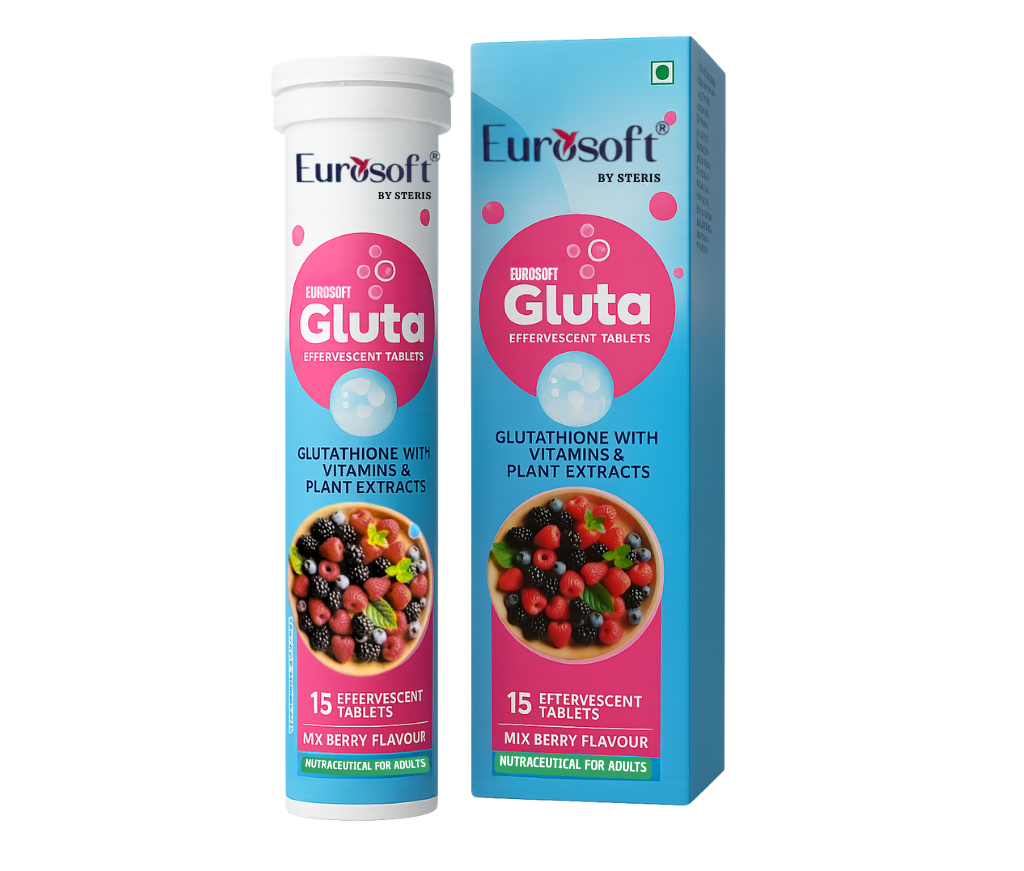
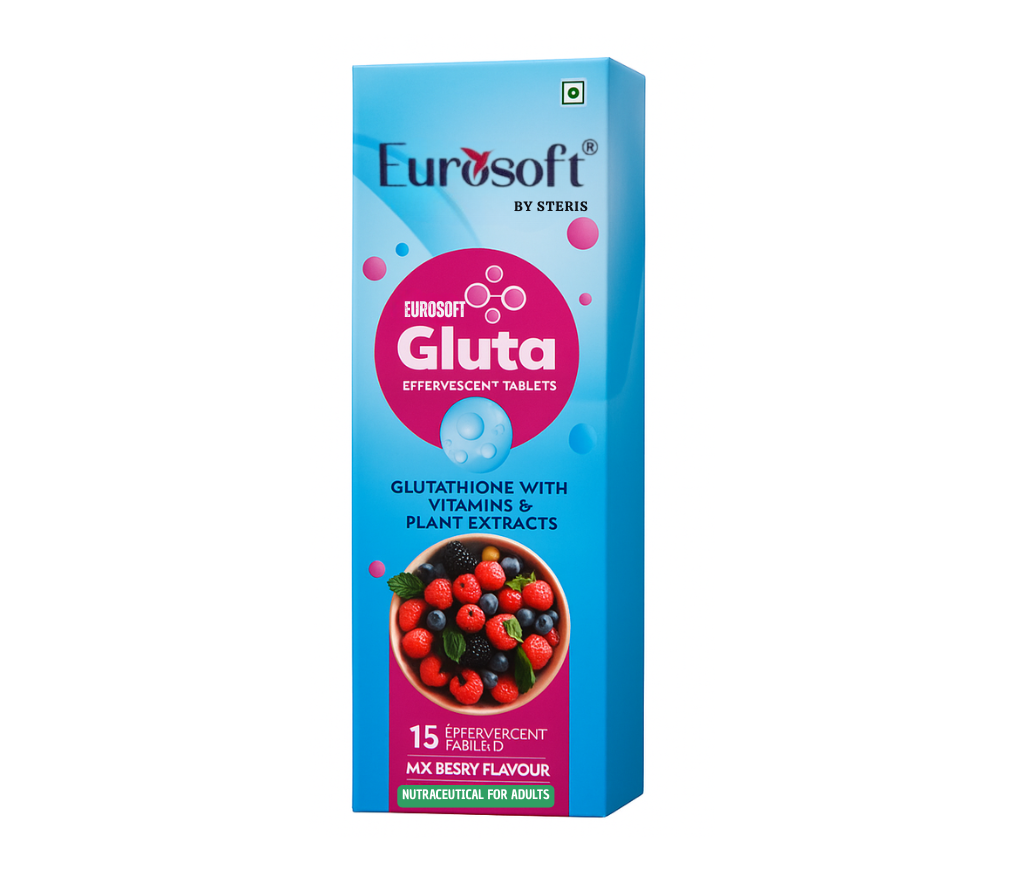
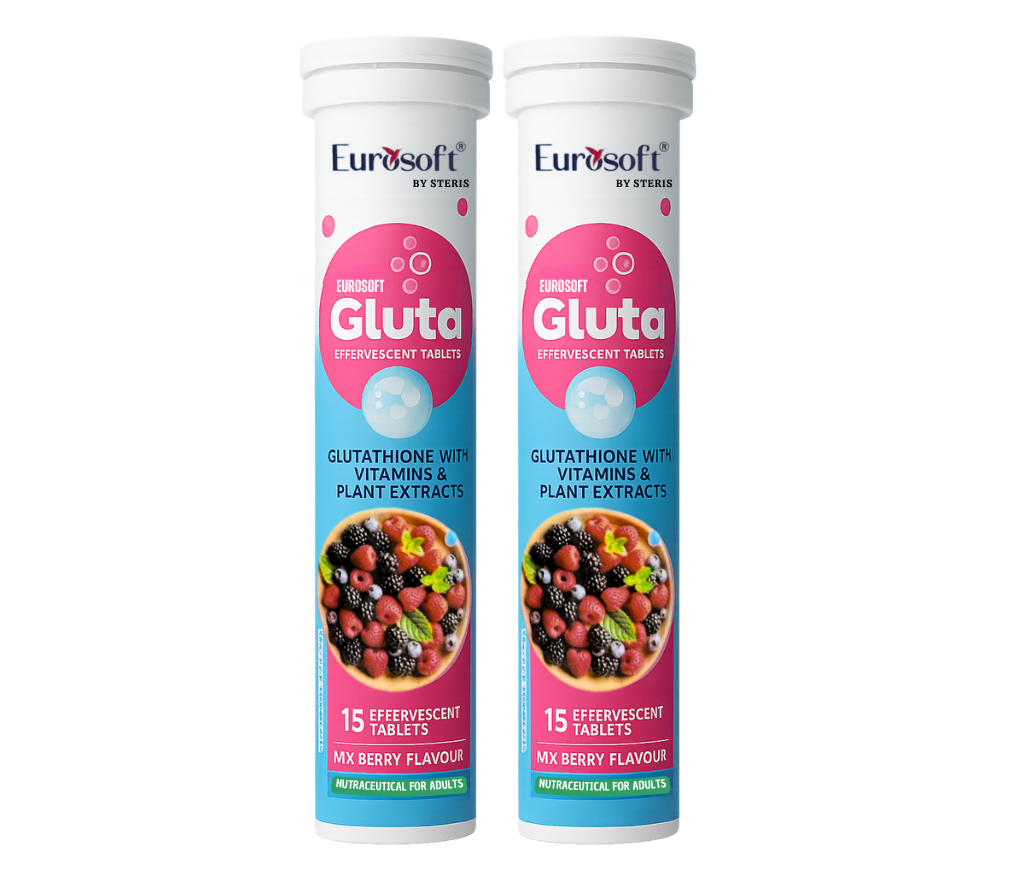
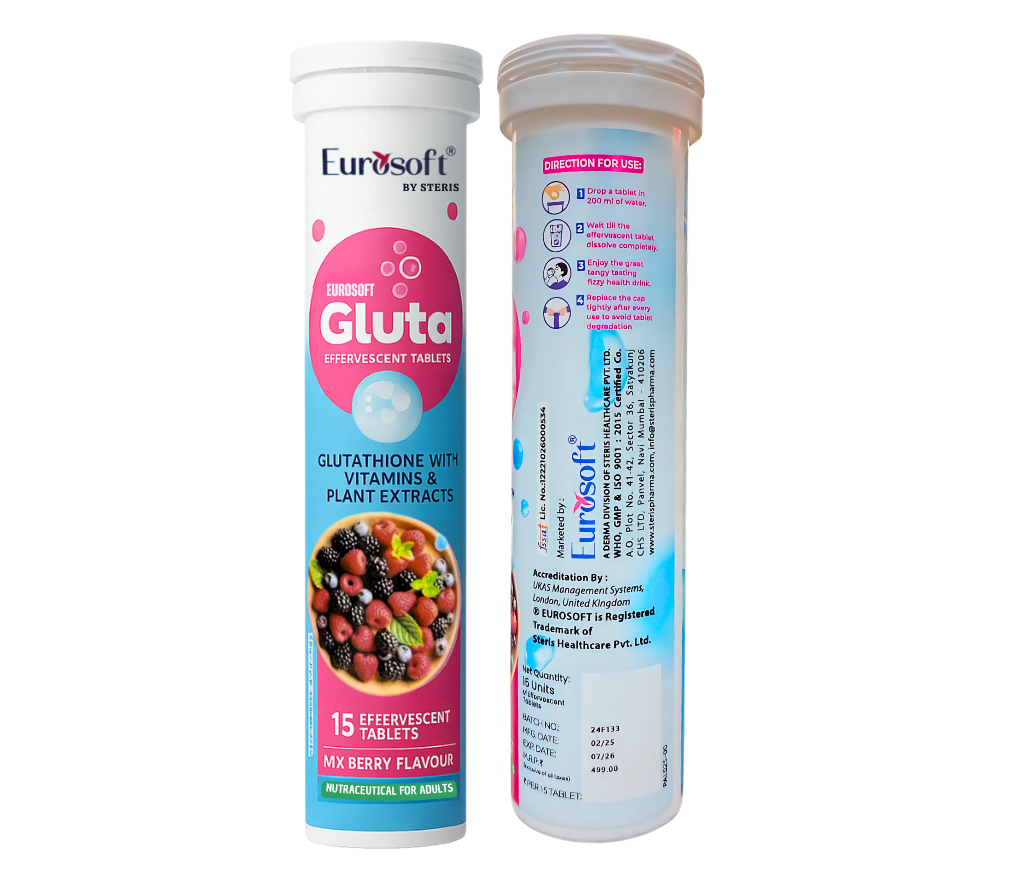
GLUTATHIONE VITAMIN C TABLETS
Item requires a valid prescription
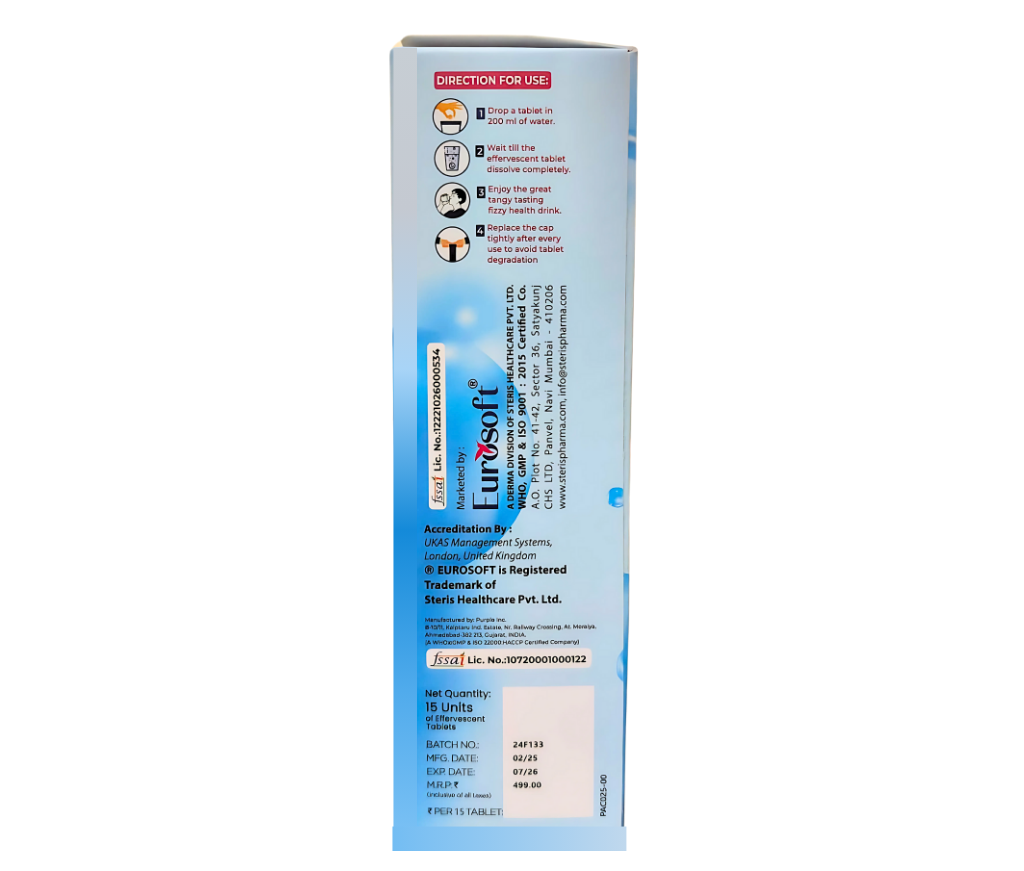
Manufactured By Steris Healthcare Pvt Ltd
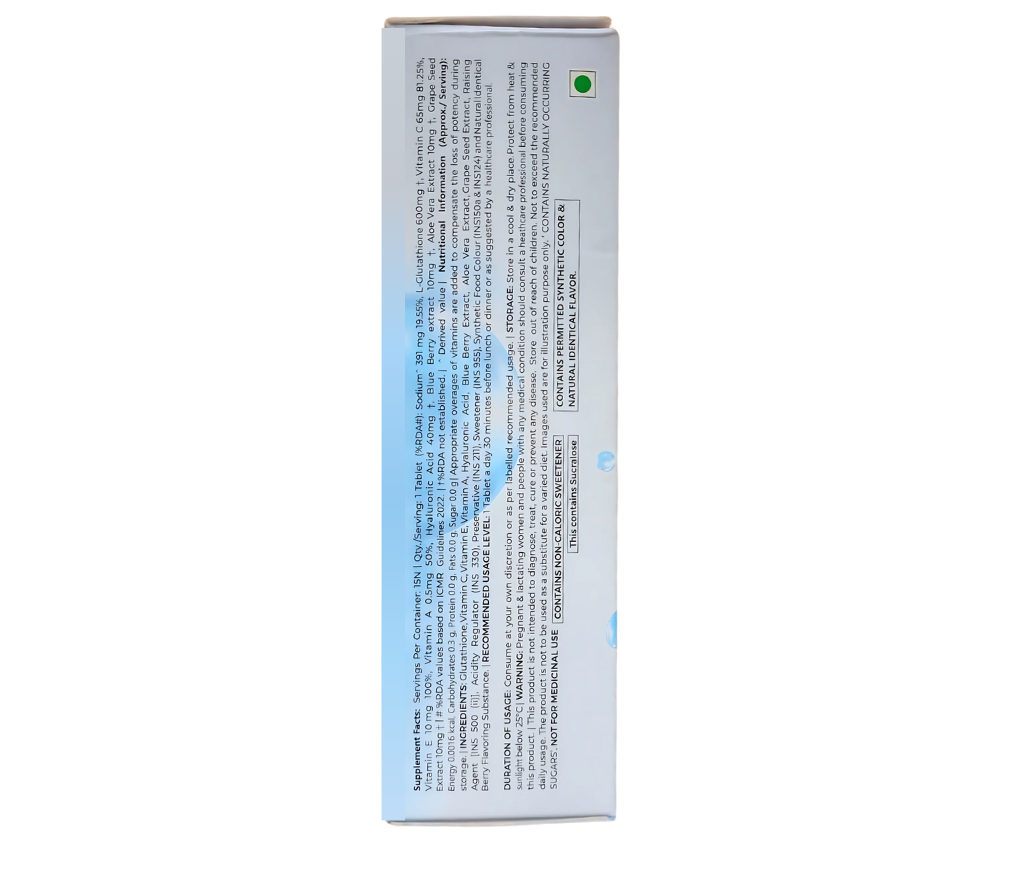
Composition Glutathione with vitamins and plant extracts
Rs 310.88
MRP Rs 444.11
(30% OFF)
Includes all taxes
Package SIZE
( FOR 15 TABLETS )
100% Authentic
Products
Free
Shipping*
Products
Return Policy
Description:
If you are searching for glutathione tablets, you are probably comparing supplements for antioxidant support, skin appearance, pigmentation concerns, or general wellness. Glutathione is a naturally occurring tripeptide made from three amino acids—cysteine, glutamic acid and glycine—and is an important part of the body's antioxidant defense system.
Oral glutathione has attracted considerable interest because it may influence oxidative stress and, in some studies, skin pigmentation. However, the evidence is more nuanced than many product advertisements suggest. Some clinical trials have reported changes in circulating glutathione or skin-related measures, while other studies have found modest or statistically non-significant effects.
A 2025 systematic review of glutathione for skin lightening and melasma concluded that oral glutathione can produce moderate but variable skin-lightening effects, while also emphasizing limitations in the available studies and the need for better long-term research.
So, if you are planning to buy glutathione tablets, the smartest approach is not simply to choose the product promising the fastest results. Instead, evaluate the glutathione form, amount per serving, formulation, ingredient transparency, manufacturing quality, labeling and realistic health claims.
What Is Glutathione?
Glutathione, commonly abbreviated as GSH, is an antioxidant produced naturally by the body. It participates in cellular defense against oxidative stress and helps maintain the balance between oxidized and reduced molecules.
Because glutathione is involved in antioxidant pathways, supplement manufacturers commonly market glutathione tablets for:
-
Antioxidant support
-
General wellness
-
Skin appearance
-
Supporting healthy skin tone
-
Supporting the body's natural defenses against oxidative stress
However, a supplement containing glutathione should not automatically be described as a treatment or cure for a medical condition.
Research has also shown that oral glutathione can increase glutathione measures in the body under some circumstances. In a six-month randomized controlled trial, adults taking 250 mg or 1,000 mg per day experienced increases in several glutathione-related measures compared with baseline.
This is important because older discussions sometimes claimed that orally consumed glutathione was simply destroyed in digestion and therefore had no meaningful biological availability. Current research suggests the situation is more complicated and can depend on dose, formulation and the outcome being measured.
Top Potential Benefits of Glutathione Tablets
1. Antioxidant Support
The most fundamental reason people take glutathione tablets is antioxidant support.
Glutathione participates in cellular antioxidant systems and helps protect cells from oxidative damage. Laboratory and clinical research has therefore investigated glutathione in relation to oxidative stress and immune-related processes.
That does not mean that taking a glutathione supplement prevents every disease associated with oxidative stress. Instead, antioxidant activity is best understood as a biological function rather than a guarantee of a specific health outcome.
2. May Support Skin Appearance
Skin appearance is one of the biggest reasons consumers search for glutathione tablets.
Clinical research has investigated oral glutathione for pigmentation and melanin-related outcomes. A randomized, double-blind, placebo-controlled study involving 60 healthy adults found that 500 mg/day of oral glutathione produced greater reductions in melanin indices at some measured sites than placebo after four weeks. The researchers also noted that long-term safety had not been established.
Another randomized trial using 250 mg/day of glutathione for 12 weeks reported favorable changes in some skin measures, including melanin index, ultraviolet spots and certain wrinkle-related measures, without serious adverse effects during the study period.
The practical takeaway is that glutathione may influence some aspects of skin pigmentation and appearance, but results are not guaranteed.
3. May Help Reduce the Appearance of Pigmentation
Glutathione has been studied for its potential antimelanogenic activity, which is one reason it appears frequently in products marketed for brighter-looking skin.
The 2025 systematic review found that several randomized trials of oral glutathione at doses ranging from 250 mg once daily to 500 mg daily reported reductions in melanin index compared with placebo. However, the review also found variability between studies and noted that the evidence base includes studies with different levels of bias and relatively limited long-term data.
Therefore, consumers should avoid product claims suggesting that glutathione tablets will permanently change natural skin color.
4. May Support Healthy-Looking Skin
Some studies have investigated glutathione in connection with wrinkles, elasticity and other skin properties.
In one 12-week randomized study, oral glutathione was associated with favorable trends in skin elasticity and certain wrinkle measurements.
These findings are interesting, but they should not be interpreted as proof that glutathione tablets function as an anti-aging treatment.
Skin health is influenced by many factors, including:
-
UV exposure
-
Sleep
-
Nutrition
-
Smoking
-
Hydration
-
Age
-
Genetics
-
Hormonal factors
-
Skincare habits
A supplement is therefore only one possible part of a broader skin-health strategy.
5. May Increase Circulating Glutathione
One of the most relevant questions for anyone buying glutathione tablets is whether oral supplementation can actually influence glutathione levels.
Evidence suggests it can, although the response depends on the formulation and study design.
A recent 2026 randomized crossover study compared different oral glutathione formulations and found that a micellar formulation produced greater systemic exposure than a standard 500 mg preparation in the study's healthy participants. The researchers reported no significant changes in several clinical safety markers during the 30-day follow-up.
Another 2026 randomized study comparing a conventional tablet with an orally dissolving formulation found that both increased circulating glutathione during four weeks, while the dissolving formulation showed a trend toward greater systemic exposure. No adverse events were reported in that study.
This emerging evidence makes formulation quality an important consideration when comparing glutathione tablets.
Glutathione Tablets: Common Uses
Consumers commonly use glutathione tablets for the following purposes:
Antioxidant supplementation
People may choose glutathione to complement a balanced diet and lifestyle focused on antioxidant defense.
Skin-brightening or pigmentation support
This is one of the most common commercial reasons for purchasing glutathione supplements. Clinical evidence suggests a possible effect on melanin-related measures, but the magnitude and durability of results vary.
General wellness
Some users take glutathione as part of a broader supplement routine, although the evidence for specific wellness outcomes varies considerably.
Supporting skin-care routines
Glutathione tablets are sometimes combined with topical skincare, sunscreen and other ingredients. This should not replace evidence-based dermatological treatment when someone has a diagnosed pigmentation condition.
How to Choose the Best Glutathione Tablets
If your intent is to buy glutathione tablets, compare products using more than the front-of-pack claims.
1. Check the actual glutathione amount
Look at the Supplement Facts or nutrition/ingredient panel rather than relying on phrases such as "advanced glutathione formula."
Products may differ substantially in the amount per tablet.
2. Check the form of glutathione
You may encounter:
-
Reduced glutathione
-
Oxidized glutathione
-
Liposomal glutathione
-
Micellar glutathione
-
Other specialized delivery systems
Formulation can influence oral exposure. Recent human studies demonstrate that different delivery systems can produce different pharmacokinetic profiles.
3. Look for transparent labeling
A quality product should clearly identify:
-
Glutathione quantity
-
Other active ingredients
-
Serving size
-
Recommended use
-
Manufacturer information
-
Batch or lot information where applicable
-
Storage instructions
-
Warnings and precautions
Avoid products that hide meaningful amounts inside vague proprietary blends.
4. Check regulatory labeling in India
For Indian consumers, FSSAI states that health supplements and nutraceuticals fall under its regulatory framework, including the Food Safety and Standards (Health Supplements, Nutraceuticals, Food for Special Dietary Use, Food for Special Medical Purpose, Functional Food and Novel Food) Regulations.
FSSAI's product framework also addresses recommended usage, labeling, warnings and claims.
A supplement should not be marketed as though it were a medicine capable of treating or curing disease.
5. Be cautious of "instant whitening" claims
A product promising dramatic skin whitening in a few days should raise a red flag.
Clinical research does not justify assuming that every person will experience rapid, dramatic or permanent skin-color changes from oral glutathione.
Glutathione Tablets Dosage
There is no single universally appropriate glutathione-tablet dose for everyone.
Clinical studies have investigated different amounts. Research involving oral glutathione has included doses such as 250 mg/day, 500 mg/day and higher amounts depending on the study purpose and formulation.
That does not mean consumers should automatically take the highest studied dose.
The appropriate amount depends on:
-
The specific product
-
Glutathione formulation
-
Other ingredients
-
Age
-
Medical history
-
Current medicines
-
Intended use
-
Healthcare-professional advice
Follow the manufacturer's recommended serving unless a qualified healthcare professional advises otherwise. Do not exceed the stated daily usage.
When Should You Take Glutathione Tablets?
There is no universally proven "best time" that guarantees superior results.
If the product label gives specific instructions, follow those instructions. Consistency is generally more practical than obsessing over a particular time of day.
If your product contains additional nutrients or compounds, those ingredients may have their own directions or precautions.
Glutathione Tablets Side Effects
Most short-term clinical studies of oral glutathione have reported good tolerability, but "well tolerated in a study" does not mean that side effects are impossible.
Potential unwanted effects may include:
-
Stomach discomfort
-
Bloating
-
Nausea
-
Abdominal discomfort
-
Loose stools or digestive changes
-
Headache in some users
-
Allergic reactions in susceptible individuals
The available clinical evidence on oral glutathione is still limited compared with many established medicines and nutrients, particularly for long-term daily use.
Importantly, the safety profile of oral glutathione should not be confused with injectable glutathione. Serious safety concerns have been associated with improperly compounded injectable glutathione products. The U.S. FDA, for example, reported adverse events involving compounded injectable glutathione contaminated with potentially high levels of endotoxins.
For routine supplementation, consumers should not assume that an injectable form is simply a stronger version of a tablet.
Who Should Be Careful With Glutathione Tablets?
Speak with a healthcare professional before taking glutathione supplements if you:
-
Are pregnant or breastfeeding
-
Have a chronic medical condition
-
Take prescription medicines
-
Have known allergies
-
Have significant gastrointestinal problems
-
Are preparing for surgery
-
Are giving supplements to a child
-
Are considering high-dose or long-term supplementation
Do not use glutathione tablets as a replacement for prescribed treatment.
Glutathione Tablets vs. Glutathione Injections
This is an important buying distinction.
Oral glutathione tablets are dietary supplements designed for oral consumption.
Injectable glutathione is a different route of administration and carries different medical and safety considerations.
There is no good reason for consumers to assume that injections are automatically safer or more effective. A 2025 systematic review specifically concluded that IV glutathione has substantial safety concerns and lacks adequate evidence for use as a skin-lightening treatment.
For someone researching glutathione primarily for cosmetic purposes, oral products are fundamentally different from injectable products and should not be treated as interchangeable.
Does Glutathione Really Whiten Skin?
This question requires a careful answer.
Glutathione may reduce melanin-related measurements in some people, but it should not be presented as a guaranteed or permanent skin-whitening treatment.
Several clinical studies have reported reductions in pigmentation measures. However, systematic reviews have found inconsistent results and limitations in study quality, sample size, duration and sustainability.
A better consumer expectation is potential support for a more even or brighter-looking complexion, rather than guaranteed transformation of natural skin color.
For melasma, post-inflammatory hyperpigmentation or another diagnosed skin disorder, consultation with a dermatologist is more appropriate than relying solely on supplements.
What Does the Latest Research Say About Glutathione Tablets?
The research landscape is evolving.
Older studies raised questions about whether oral glutathione could meaningfully increase body glutathione levels. More recent human studies suggest that oral glutathione can be systemically available, with formulation playing an important role.
At the same time, evidence for specific cosmetic or disease-related outcomes remains less definitive than marketing materials sometimes imply.
A 2025 systematic review found moderate evidence for skin-lightening effects from oral glutathione but emphasized variable outcomes and limitations.
This is why E-E-A-T-focused content should distinguish between:
What is biologically plausible → what has been observed in clinical trials → what is actually proven for consumers.
That distinction is especially important when buying supplements online.
Buyer Checklist Before You Buy Glutathione Tablets
Before placing an order, ask:
-
How much glutathione is in each tablet?
-
What form of glutathione is used?
-
Is the complete ingredient list visible?
-
Does the label provide clear usage instructions?
-
Is the manufacturer identifiable?
-
Does the packaging provide batch/lot and expiry information?
-
Are the claims realistic rather than promising instant whitening?
-
Does the product comply with applicable Indian supplement requirements if sold in India?
-
Does the seller appear legitimate?
-
Are you comparing the actual amount of glutathione rather than only the price of the bottle?
For Indian buyers, FSSAI's current health-supplement framework is an especially useful reference when evaluating labeling and product claims.
Conclusion
Glutathione tablets can be a reasonable supplement to consider when your goal is antioxidant support or when you are interested in the potential skin-related benefits of oral glutathione. Clinical research suggests that oral glutathione can influence glutathione status and may reduce some measures of pigmentation in certain people. However, results vary, and evidence for permanent skin whitening or treatment of medical conditions is not strong enough to justify exaggerated claims.
The newest research also suggests that formulation matters: different oral delivery systems may produce different levels of systemic exposure.
For buyers, the best approach is to choose a transparently labeled product from a credible manufacturer, follow the recommended serving, avoid unrealistic "instant whitening" promises and consult a healthcare professional if you have medical conditions, take medicines, or plan long-term use.
Most importantly, glutathione tablets should be viewed as supplements—not miracle treatments.
Frequently Asked Questions
1. What are glutathione tablets used for?
Glutathione tablets are primarily used as oral glutathione supplements for antioxidant support and general wellness. They are also commonly purchased for potential skin-related benefits, including pigmentation and complexion support.
2. Do glutathione tablets really work?
They can have measurable biological effects, and clinical studies have reported increases in glutathione-related measures and changes in some skin-pigmentation measurements. However, effectiveness varies by person and formulation, and evidence does not support guaranteed results.
3. Do glutathione tablets lighten skin?
Some clinical trials suggest oral glutathione can reduce melanin-related measurements. However, the effect is variable and may not be permanent. It should not be marketed as guaranteed or dramatic skin whitening.
4. How long does glutathione take to show results?
There is no guaranteed timeline. Clinical studies have assessed outcomes over periods ranging from several weeks to several months. Cosmetic results, when they occur, can vary considerably between individuals.
5. What is the best dose of glutathione tablets?
There is no universally recommended dose for every person. Clinical research has studied different doses, including 250 mg and 500 mg daily, but consumers should follow the product's recommended serving and obtain professional advice for individualized dosing.
6. Can I take glutathione tablets every day?
Some clinical trials have evaluated daily oral glutathione for weeks or months. However, long-term safety data remain less extensive than for many established nutritional products. Follow the label and seek professional advice for prolonged use.
7. What are the side effects of glutathione tablets?
Oral glutathione has generally been well tolerated in short clinical studies, but digestive discomfort, nausea, bloating, headache or allergic reactions may occur. Stop use and seek medical attention for signs of a serious allergic reaction.
8. Is glutathione safe for everyone?
No supplement is automatically appropriate for everyone. Pregnant or breastfeeding people, children, people with medical conditions and those taking medicines should consult a healthcare professional before use.
9. Should I take glutathione tablets before or after food?
The correct instructions depend on the product formulation. Follow the manufacturer's directions rather than assuming that taking it on an empty stomach is always better.
10. Which is better: glutathione tablets or injections?
They are not interchangeable. Injectable glutathione has different risks and requires medical oversight. Evidence and safety concerns do not justify assuming that injections are a better cosmetic option.
11. Can glutathione tablets remove pigmentation?
They may influence pigmentation-related measures in some people, but they are not a guaranteed treatment for hyperpigmentation or melasma. Persistent pigmentation should be evaluated by a dermatologist.
12. Can glutathione tablets make skin permanently fair?
There is no reliable evidence that oral glutathione permanently changes a person's natural skin color. Studies have generally examined temporary or variable changes in pigmentation measures.
13. Can I take glutathione with vitamin C?
Glutathione is sometimes combined with vitamin C in commercial supplements and clinical research. However, whether you personally need the combination depends on your diet, health status and overall supplement regimen.
14. Are liposomal glutathione tablets better than regular tablets?
Not necessarily in every situation. Formulation can affect oral bioavailability, and recent human studies have found differences between delivery systems. However, greater systemic exposure does not automatically prove greater cosmetic or health benefits.
15. How do I choose the best glutathione tablets?
Look for a transparent ingredient panel, clearly stated glutathione quantity, reputable manufacturing, appropriate labeling, realistic claims and clear usage instructions. For products sold in India, also consider applicable FSSAI requirements.
16. Can glutathione tablets be taken for skin glow?
They are commonly used for this purpose, and some studies report improvements in certain skin measures. However, "glowing skin" is a cosmetic expectation rather than a clinically guaranteed outcome.
17. Can glutathione tablets help acne?
Research is still preliminary. A 2025 randomized trial of 500 mg/day for four weeks found a non-significant trend toward improvement in mild-to-moderate acne and no reported adverse reactions, but the authors concluded that additional research is needed.
18. Is oral glutathione better than topical glutathione?
Neither is universally "better." Oral glutathione may have more generalized effects, whereas topical products act primarily where applied. A 2025 systematic review found potential benefits from both approaches but highlighted differences in efficacy, sustainability and safety.
19. Can I take glutathione tablets without consulting a doctor?
Healthy adults may use dietary supplements according to product directions, but professional advice is particularly important if you are pregnant, breastfeeding, taking medicines, have a medical condition or intend to take high doses or use the product for an extended period.
20. Are glutathione tablets a medicine?
Glutathione tablets marketed as dietary supplements or nutraceuticals should not be confused with medicines. In India, FSSAI's framework specifically distinguishes health supplements and nutraceuticals from products intended to treat or cure diseases.
21. Can glutathione tablets detox the liver?
Glutathione is involved in important cellular antioxidant and detoxification pathways, but that does not mean a supplement can "detox" the liver in the way some advertisements imply. Avoid treating glutathione tablets as a substitute for medical care for liver disease.
22. Are glutathione tablets worth buying?
They may be worth considering if you have a realistic goal, understand the evidence and select a properly labeled product. They are less appropriate if you are expecting instant, permanent skin whitening or treatment of a medical condition.