


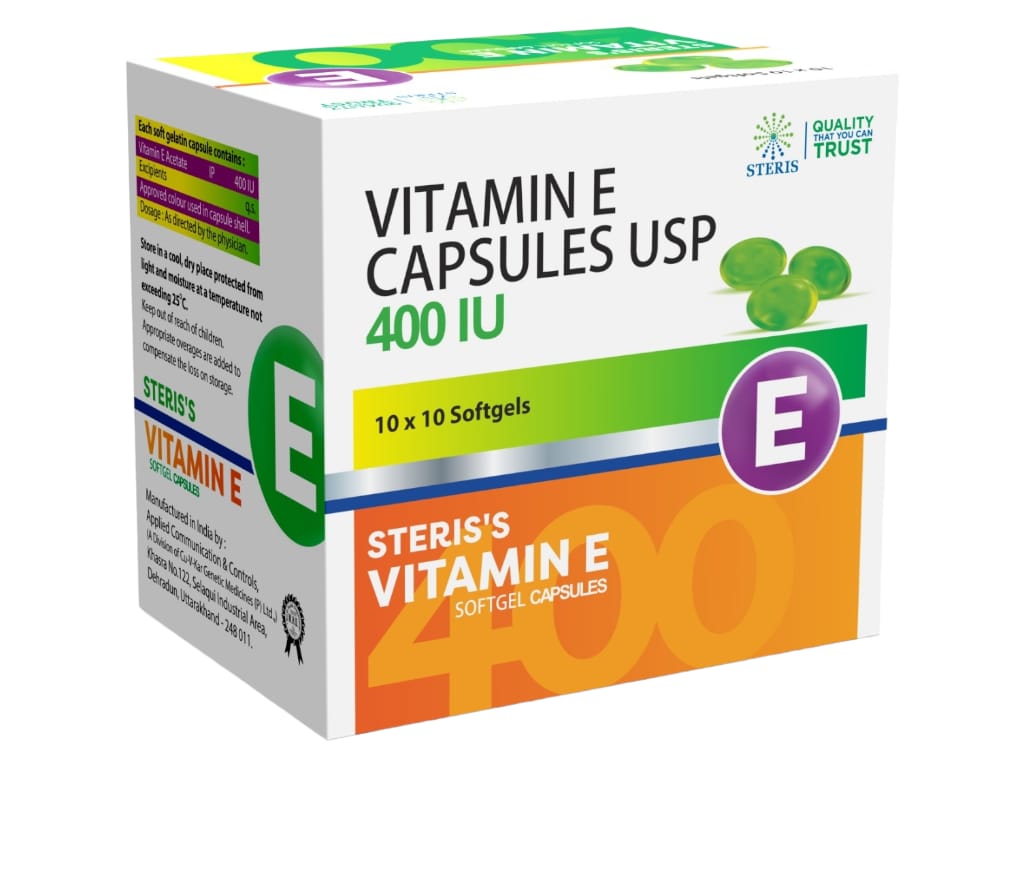
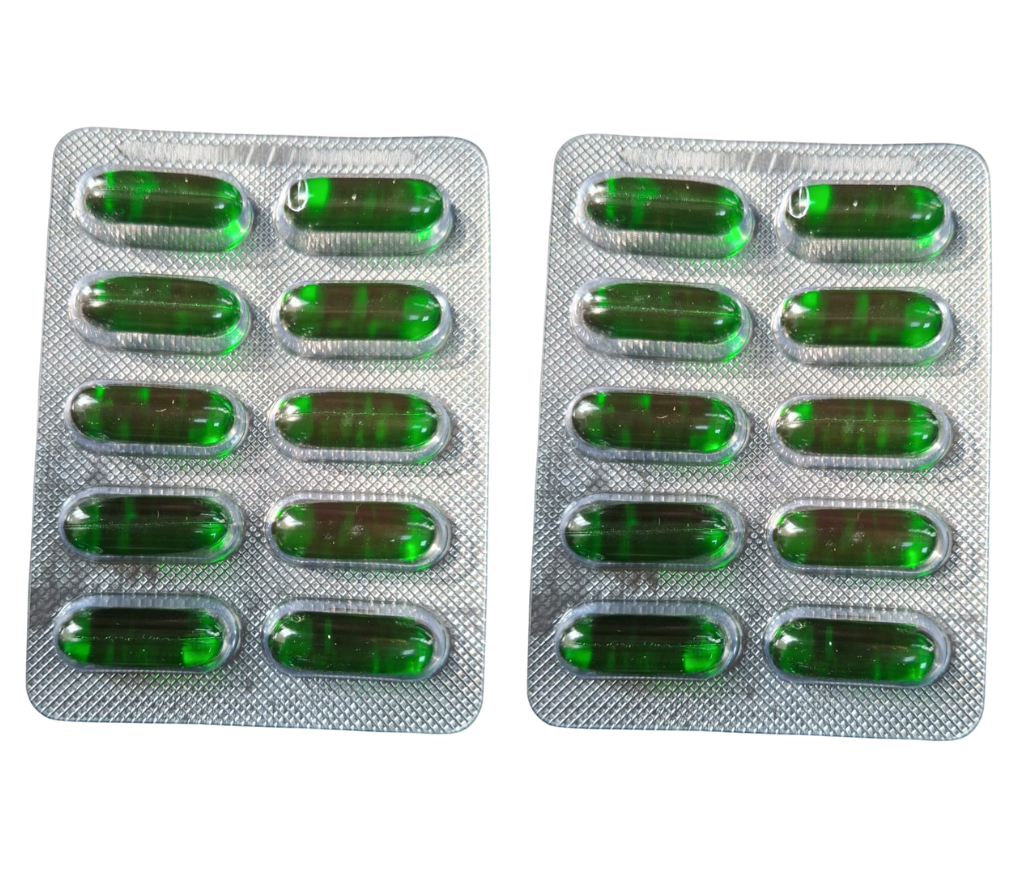
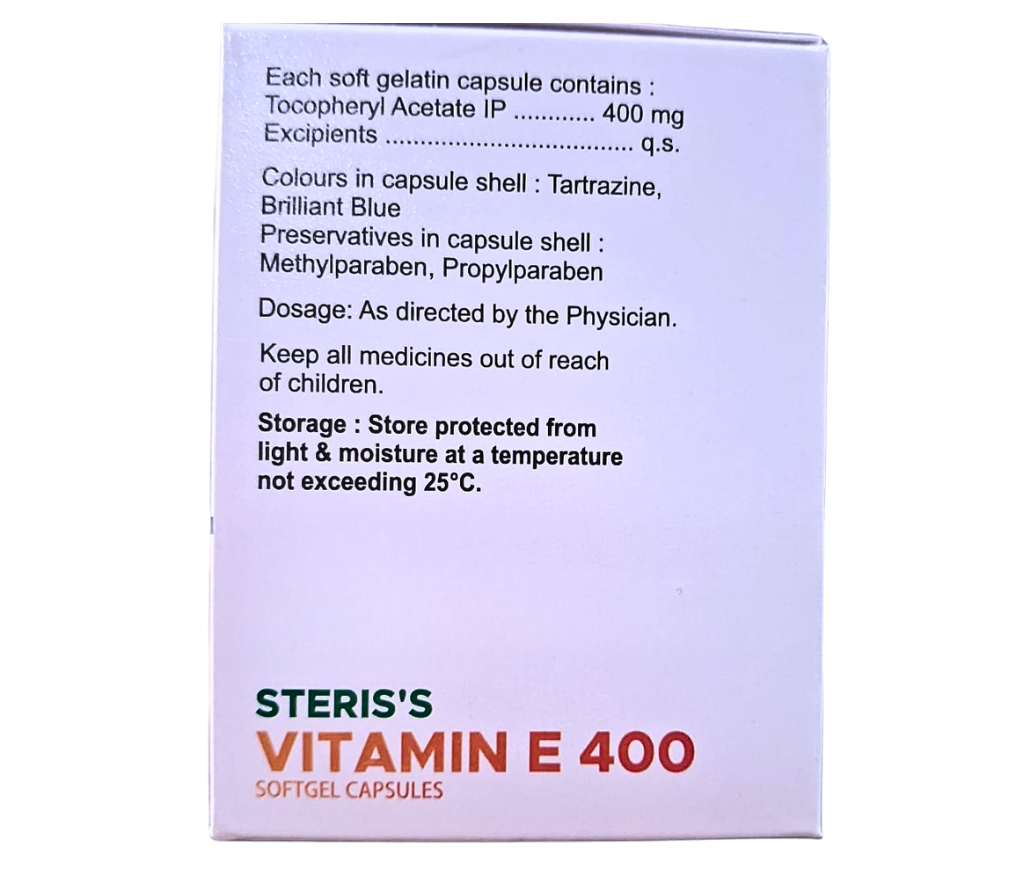
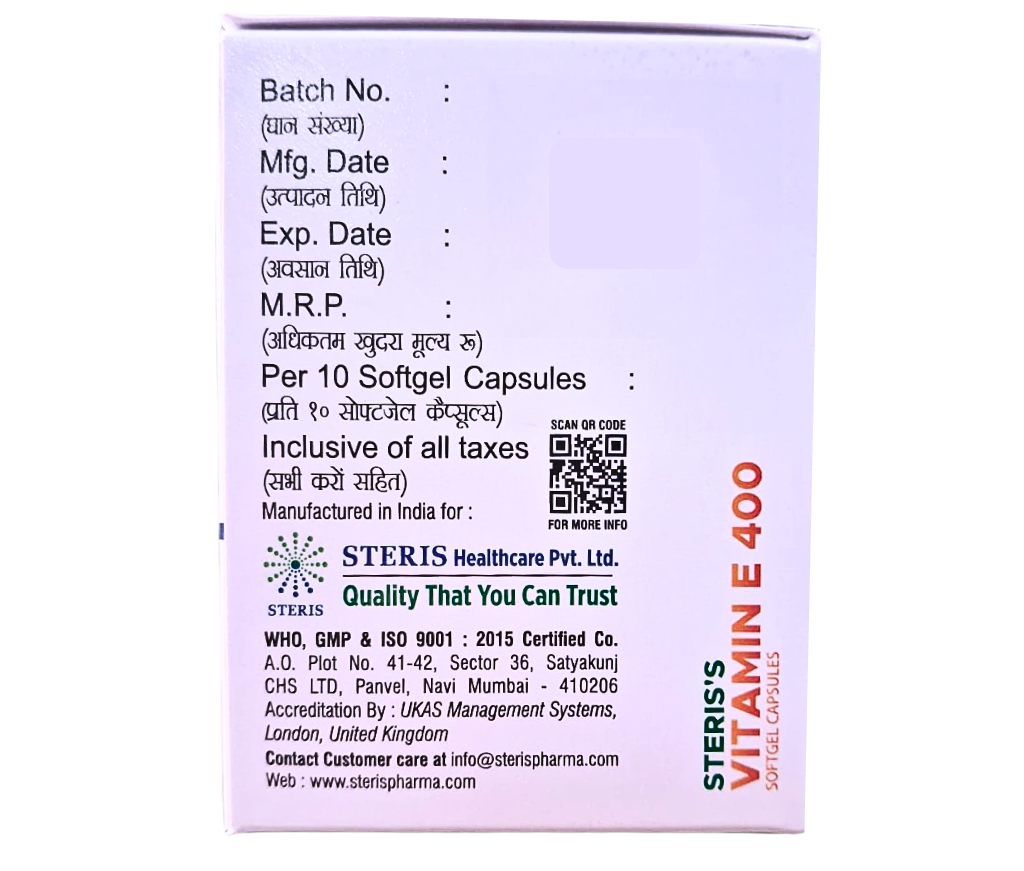
STERIS'S VITAMIN E
 Item requires a valid prescription
Manufactured By Steris Healthcare Pvt Ltd
Composition Vitamin E Capsules
Rs 51.84
MRP Rs 74.06
(30% OFF)
Includes all taxes
Package SIZE
( For 10 Capsule )

100% Authentic
Products

Free
Shipping*

Products
Return Policy
Description:
Vitamin E capsules are a convenient way to supplement vitamin E, an essential fat-soluble nutrient with antioxidant properties. Vitamin E helps protect cells from oxidative damage and plays an important role in normal immune function, vision, skin health, and other biological processes. For adults, the recommended daily amount of vitamin E is 15 mg per day, although the appropriate supplement dose depends on the individual product, diet, and health needs.
If you are considering buying vitamin E capsules, it is important to look beyond marketing claims. A good purchasing decision should consider the vitamin E form, strength per serving, ingredient list, serving instructions, manufacturer information, quality controls, and whether supplementation is actually appropriate for you.
What Are Vitamin E Capsules?
Vitamin E capsules are oral dietary supplements that provide vitamin E in a concentrated, easy-to-use form. Vitamin E is naturally found in foods such as nuts, seeds, vegetable oils, leafy greens, and fortified foods. Supplements can be useful when dietary intake is inadequate or when a healthcare professional recommends supplementation.
Because vitamin E is fat-soluble, the body stores it rather than eliminating excess amounts as quickly as it does water-soluble vitamins. This is one reason why taking high-dose vitamin E supplements without professional guidance is not necessarily better.
When choosing a product, check the Supplement Facts panel for the amount of vitamin E per serving and review the complete list of other ingredients. Dietary supplement labels are required to provide information such as serving size, dietary ingredients, and amounts per serving under applicable U.S. requirements.
Uses of Vitamin E Capsules
People commonly purchase vitamin E capsules to supplement their dietary intake of vitamin E. The nutrient has several important physiological roles.
1. Antioxidant Support
Vitamin E functions as an antioxidant. Antioxidants help protect cells from oxidative stress caused by free radicals generated through normal metabolism and environmental exposures.
2. Supports Normal Immune Function
Vitamin E contributes to normal immune-system function. Maintaining adequate vitamin E intake is therefore part of an overall balanced nutrition strategy.
3. Supports Skin Health
Vitamin E is involved in maintaining healthy skin. However, consumers should be cautious about products that promise that oral vitamin E capsules will automatically eliminate wrinkles, acne, scars, pigmentation, hair loss, or other specific cosmetic conditions. Evidence does not support treating every such condition with vitamin E supplements.
4. Supports Normal Vision and Other Body Functions
Vitamin E is important for normal vision and several other functions throughout the body. Severe vitamin E deficiency is uncommon in healthy people and is more often associated with conditions that interfere with nutrient absorption.
Key Benefits of Vitamin E Capsules
The main benefit of vitamin E capsules is that they provide a standardized source of vitamin E when supplementation is appropriate.
Potential nutritional benefits include:
-
Providing vitamin E when dietary intake is insufficient.
-
Supporting the body's antioxidant defenses.
-
Contributing to normal immune function.
-
Supporting normal vision.
-
Contributing to healthy skin as part of adequate nutritional intake.
-
Offering a convenient alternative for people who have difficulty obtaining sufficient vitamin E through food.
Importantly, taking more vitamin E does not automatically provide greater health benefits. Research has not established vitamin E supplements as a universal solution for preventing or treating diseases, and some high-dose uses have raised safety concerns.
How to Take Vitamin E Capsules
Take vitamin E capsules according to the product label or the dosage recommended by your doctor or pharmacist. Do not increase the dose simply because a higher-strength product is available.
Since vitamin E is fat-soluble, taking it with a meal containing some dietary fat may be appropriate, depending on the product instructions. Always follow the manufacturer's directions regarding serving size and timing.
If you already consume a multivitamin, fortified foods, or other supplements containing vitamin E, check the total amount you are taking to avoid unnecessary high intake.
Vitamin E Capsules: Side Effects and Safety
Vitamin E is generally well tolerated in typical amounts, but supplements can cause side effects, particularly at higher doses. Reported oral side effects can include upset stomach, loose stools, abdominal cramps, tiredness, weakness, headache, blurred vision, and rash.
One of the most important safety considerations is bleeding risk. Higher amounts of vitamin E may increase bleeding risk, and vitamin E can interact with certain medicines and supplements. People taking medicines that affect blood clotting should speak with a healthcare professional before using vitamin E supplements.
You should also seek professional advice before taking vitamin E if you have a bleeding disorder, vitamin K deficiency, diabetes, liver disease, cardiovascular history, or are preparing for surgery or a medical procedure. Mayo Clinic specifically advises discussing vitamin E use with a healthcare professional before surgery because of potential bleeding concerns.
Do not use vitamin E capsules as a replacement for prescribed medicines or professional medical treatment.
What to Check Before Buying Vitamin E Capsules
If your intent is to buy vitamin E capsules, use the following checklist:
1. Check the strength: Compare the amount of vitamin E per serving rather than judging products by capsule size.
2. Read the ingredient panel: Look at the vitamin E source and other ingredients, including capsule materials, oils, preservatives, or additives.
3. Check serving instructions: Follow the recommended serving rather than assuming that more capsules mean better results.
4. Choose transparent labeling: Look for a clearly identified manufacturer, batch/lot information where applicable, expiry or best-before information, and complete ingredient information.
5. Avoid exaggerated claims: Be skeptical of products claiming to cure diseases, reverse aging, guarantee hair growth, or provide instant skin transformation. Dietary supplements are not automatically proven safe or effective simply because they are sold online.
6. Consider quality assurance: Look for credible quality-testing or manufacturing information when available.
In the U.S., the FDA does not pre-approve dietary supplements for safety and effectiveness before they reach consumers. Manufacturers are responsible for ensuring that their products comply with applicable requirements, while FDA oversight includes marketplace monitoring, inspections, and action when products violate the law.
Who Should Be Careful With Vitamin E Capsules?
Vitamin E supplementation is not automatically appropriate for everyone. Talk with a doctor, pharmacist, or qualified healthcare professional before taking vitamin E if you use blood-thinning or blood-clotting medicines, have a bleeding condition, are pregnant or breastfeeding, have a chronic health condition, or are preparing for surgery.
It is also worth remembering that dietary supplements should complement—not replace—a varied and balanced diet. FDA advises consumers to discuss supplement benefits and risks with a healthcare professional and to follow the product label.
Frequently Asked Questions
1. What are vitamin E capsules used for?
Vitamin E capsules are primarily used to supplement vitamin E intake. Vitamin E is an antioxidant nutrient that supports normal immune function, vision, and other physiological processes. Supplementation is most useful when dietary intake is inadequate or when recommended by a healthcare professional.
2. What are the main benefits of vitamin E capsules?
The main nutritional benefits include antioxidant support and contribution to normal immune function, vision, and skin health. However, vitamin E capsules should not be promoted as a cure for diseases or as a guaranteed treatment for cosmetic concerns because evidence varies by use.
3. Can vitamin E capsules cause side effects?
Yes. Possible side effects include stomach upset, loose stools, abdominal cramps, headache, weakness, tiredness, blurred vision, and rash. The likelihood of adverse effects can increase with higher doses.
4. Can vitamin E capsules increase bleeding risk?
Yes. Higher-dose vitamin E supplementation can increase bleeding risk and may interact with medicines that affect blood clotting. If you take anticoagulants or antiplatelet medicines, consult your healthcare professional before using vitamin E capsules.
5. How much vitamin E do adults need per day?
The recommended daily amount of vitamin E for adults is 15 mg per day. Individual supplement requirements can differ, so check the product's Supplement Facts panel and speak with a healthcare professional when supplementation is being considered.
6. Are vitamin E capsules good for skin?
Vitamin E is an important nutrient for healthy skin, but taking vitamin E capsules should not be viewed as a guaranteed treatment for acne, scars, pigmentation, wrinkles, or other skin disorders. Evidence for specific cosmetic uses is limited or inconsistent.
7. Should I take vitamin E capsules every day?
That depends on your diet, the product strength, and your individual health requirements. Do not automatically take a high-dose vitamin E supplement every day without checking the recommended serving and considering your total vitamin E intake.
Conclusion
Vitamin E capsules can be a convenient way to supplement vitamin E and support adequate nutritional intake, particularly when supplementation is appropriate for an individual's dietary or health needs. Vitamin E contributes antioxidant activity and supports normal immune function, vision, and other important body functions.
For buyers, the best approach is to compare vitamin E strength, serving size, ingredient quality, manufacturer transparency, directions for use, and safety information rather than choosing a product based only on bold benefit claims. High-dose supplementation is not automatically better, and vitamin E may increase bleeding risk or interact with certain medicines.
Before purchasing vitamin E capsules, read the complete label and choose a product that matches your nutritional needs. If you take medication, have a medical condition, or are preparing for surgery, consult a qualified healthcare professional before supplementation. This evidence-based approach supports a safer and more informed buying decision.