





Benefits of TRIOLMISTRUM 20
Mar 30, 2024
Hypertension, commonly known as high blood pressure, is often referred to as the "Silent Killer." It creeps up without symptoms, yet it ravages the cardiovascular system, placing immense strain on the heart, arteries, and kidneys. For millions of patients, standard medications—or even dual therapies—are simply not enough to bring their blood pressure numbers down to a safe range.
This is where medical science has made a significant leap forward with Triple Fixed-Dose Combination (FDC) therapies.
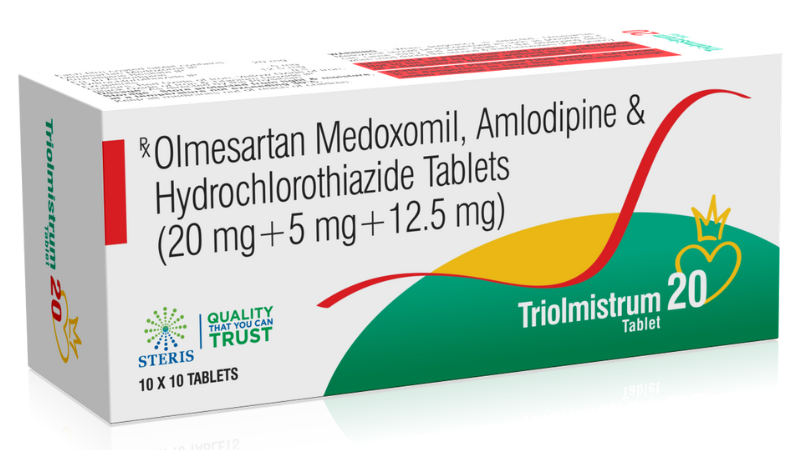
Introducing TRIOLMISTRUM 20, a pharmaceutical masterpiece designed for the management of moderate to severe hypertension. By combining three of the most effective antihypertensive agents known to modern medicine—Olmesartan Medoxomil (20mg), Amlodipine Besylate (5mg), and Hydrochlorothiazide (12.5mg)—TRIOLMISTRUM 20 offers a synchronized, multi-targeted approach to lowering blood pressure.
In this extensive guide, we will explore everything you need to know about TRIOLMISTRUM 20: how it works, why the triple combination is superior, dosage protocols, side effects, and lifestyle tips to maximize your heart health.
What is TRIOLMISTRUM 20?
TRIOLMISTRUM 20 is a prescription medication formulated to treat high blood pressure (hypertension). It is distinct because it is not just one drug; it is a single tablet that contains three active ingredients acting in unison.
The Composition Breakdown
To understand the power of TRIOLMISTRUM 20, we must look at its components, often abbreviated as "Olm/Amlo/HCTZ":
- Olmesartan Medoxomil (20mg): An Angiotensin II Receptor Blocker (ARB).
- Amlodipine (5mg): A Calcium Channel Blocker (CCB).
- Hydrochlorothiazide (12.5mg): A Thiazide Diuretic (Water Pill).
This specific ratio (20/5/12.5) is carefully calibrated to provide maximum efficacy while maintaining a manageable safety profile. It is typically prescribed for patients whose blood pressure is not adequately controlled on monotherapy (one drug) or dual therapy (two drugs).
The "Triple Threat" Mechanism: How TRIOLMISTRUM 20 Works
The human body is complex. When you try to lower blood pressure using one method, the body often fights back using another pathway to keep the pressure up. This is why single drugs often fail. TRIOLMISTRUM 20 succeeds because it blocks three distinct pathways simultaneously, leaving the body with no choice but to lower the pressure.
1. Olmesartan (20mg): The Hormonal Blockade
- Class: Angiotensin Receptor Blocker (ARB).
- The Action: The body produces a substance called Angiotensin II, a potent chemical that causes blood vessels to tighten and narrow. When vessels narrow, pressure rises. Olmesartan blocks the receptors that Angiotensin II tries to bind to.
- The Result: The blood vessels remain dilated (open), allowing blood to flow more freely and reducing the pressure against arterial walls.
2. Amlodipine (5mg): The Vascular Relaxer
- Class: Calcium Channel Blocker (CCB).
- The Action: Calcium is essential for muscle contraction. In the walls of your arteries, calcium causes the smooth muscle cells to contract and tighten. Amlodipine inhibits the influx of calcium ions into these vascular smooth muscle cells.
- The Result: Without the calcium influx, the arterial muscles relax and widen (vasodilation). This reduces "Peripheral Vascular Resistance," making it easier for the heart to pump blood.
3. Hydrochlorothiazide (12.5mg): The Volume Reducer
- Class: Thiazide Diuretic.
- The Action: Often called a "water pill," HCTZ works on the kidneys (specifically the distal convoluted tubule). It prevents the kidneys from reabsorbing sodium (salt). Where sodium goes, water follows.
- The Result: By promoting the excretion of salt and water through urine, HCTZ reduces the overall volume of fluid in the blood vessels. Less fluid volume means less pressure.
The Synergy
- Amlodipine opens the pipes.
- Olmesartan prevents the body from tightening the pipes back up.
- HCTZ reduces the amount of fluid flowing through the pipes.
Together, they provide a 24-hour shield against hypertension.
Why Choose TRIOLMISTRUM 20? (The Benefits of FDC)
Why not just take three separate pills? The shift toward Fixed-Dose Combinations (FDCs) like TRIOLMISTRUM 20 is a major trend in cardiology for several reasons.
1. Improved Patient Compliance
The hardest part of treating hypertension is getting patients to take their medicine. Taking three different pills at different times is confusing and burdensome. TRIOLMISTRUM 20 simplifies this to one pill, once a day. Studies consistently show that pill burden reduction leads to better adherence and better health outcomes.
2. Enhanced Efficacy
Clinical trials have demonstrated that triple combination therapy lowers blood pressure significantly more than dual therapy. For patients with Stage 2 Hypertension, reaching target BP goals (<130/80 mmHg) is much more likely with TRIOLMISTRUM 20.
3. Counter-Balancing Side Effects
Interestingly, the drugs in TRIOLMISTRUM 20 help cancel out each other’s side effects:
- Amlodipine can sometimes cause ankle swelling (edema).
- Olmesartan and HCTZ can help mitigate this swelling by regulating fluid balance.
- HCTZ can slightly lower potassium levels.
- Olmesartan can slightly raise potassium levels, helping to keep the balance neutral.
Indications: Who is TRIOLMISTRUM 20 For?
TRIOLMISTRUM 20 is generally not a first-line treatment. Doctors usually follow a stepped-care approach. This medication is indicated for:
- Resistant Hypertension: Patients whose blood pressure remains high despite taking maximal doses of two other medications.
- Severe Hypertension: Patients with very high baseline blood pressure who require rapid and aggressive control to prevent stroke or heart attack.
- Substitution Therapy: Patients who are already taking Olmesartan, Amlodipine, and HCTZ as separate pills and want to switch to a single convenient tablet.
Dosage and Administration Guidelines
Note: Always follow the specific instructions provided by your healthcare provider. The following are general guidelines.
- Standard Dosage: One tablet of TRIOLMISTRUM 20 daily.
- Timing: It can be taken with or without food. However, it is best taken in the morning.
- Why Morning? Because it contains Hydrochlorothiazide (a diuretic), it will cause increased urination. Taking it in the evening might result in Nocturia (waking up at night to pee), which disrupts sleep.
- Consistency: Take the tablet at the same time every day to maintain steady levels of the drug in your bloodstream.
- Missed Dose: If you miss a dose, take it as soon as you remember unless it is almost time for your next dose. Do not double the dose to catch up.
Potential Side Effects
While TRIOLMISTRUM 20 is generally well-tolerated, the combination of three active ingredients increases the spectrum of potential side effects. Most side effects are mild and transient.
Common Side Effects
- Dizziness/Lightheadedness: This is most common when starting the medication or increasing the dose, as your body adjusts to lower blood pressure.
- Peripheral Edema: Swelling of the ankles or feet (primarily due to Amlodipine).
- Frequent Urination: Due to the HCTZ component.
- Fatigue or Headache: General feelings of tiredness.
Metabolic Side Effects (Requires Blood Tests)
Your doctor may order periodic blood tests to monitor:
- Hypokalemia: Low potassium levels (caused by HCTZ).
- Hyperuricemia: Increased uric acid, which can trigger gout in susceptible individuals.
- Creatinine levels: To monitor kidney function.
Serious Side Effects (Seek Medical Help)
- Hypotension: Dangerously low blood pressure (fainting, blurred vision).
- Kidney Issues: Change in the amount of urine, swelling in legs/feet.
- Electrolyte Imbalance: Extreme thirst, confusion, muscle weakness, or irregular heartbeat.
- Allergic Reaction: Rash, itching, swelling of face/tongue/throat.
Important Precautions and Contraindications
TRIOLMISTRUM 20 is not suitable for everyone.
1. Pregnancy and Breastfeeding (Crucial Warning)
Olmesartan (and all ARBs/ACE inhibitors) can cause severe injury or death to the developing fetus.
- Do not take TRIOLMISTRUM 20 if you are pregnant.
- If you detect pregnancy while on this drug, stop taking it and consult your doctor immediately.
2. Renal (Kidney) Impairment
Patients with severe kidney disease or those on dialysis should avoid this combination, specifically due to the HCTZ and Olmesartan components. Regular monitoring of kidney function is required.
3. Diabetes
Diabetic patients taking Aliskiren should not take Olmesartan. Furthermore, HCTZ can slightly affect blood sugar levels, so diabetic patients should monitor their glucose closely.
4. Sulfa Allergy
Hydrochlorothiazide is a sulfonamide-derived drug. Patients with a severe allergy to "sulfa" drugs should use this medication with caution.
5. Electrolyte Imbalances
If you have low potassium (hypokalemia), low sodium (hyponatremia), or high calcium (hypercalcemia), these must be corrected before starting TRIOLMISTRUM 20.
Drug Interactions
Certain drugs can interact with the components of TRIOLMISTRUM 20, altering its effectiveness or increasing toxicity.
- NSAIDs (Non-Steroidal Anti-Inflammatory Drugs): Painkillers like Ibuprofen, Naproxen, or Diclofenac can reduce the blood-pressure-lowering effect of Olmesartan and HCTZ. They can also strain the kidneys.
- Lithium: HCTZ reduces the clearance of Lithium, leading to a risk of Lithium toxicity.
- Potassium Supplements/Salt Substitutes: Since Olmesartan can retain potassium, taking extra potassium can lead to Hyperkalemia (dangerously high potassium). Conversely, HCTZ loses potassium. Do not take supplements without a doctor’s blood test confirmation.
- Alcohol: Drinking alcohol can increase the blood-pressure-lowering effect, leading to severe dizziness or fainting.
- Other BP Meds: Combining with other antihypertensives can cause hypotension unless supervised by a doctor.
Lifestyle Management: Partnering with TRIOLMISTRUM 20
Medication is a powerful tool, but it works best when combined with a heart-healthy lifestyle. To get the most out of TRIOLMISTRUM 20, consider these changes:
1. The DASH Diet
Adopt the Dietary Approaches to Stop Hypertension (DASH) diet. This involves:
- High intake of fruits, vegetables, and whole grains.
- Moderate intake of lean proteins.
- Low Sodium Intake: HCTZ works by removing salt. If you eat a high-salt diet, you are working against the medication. Aim for less than 2,300mg of sodium per day (ideally 1,500mg).
2. Hydration
Because HCTZ is a diuretic, you will lose fluids. It is important to stay hydrated to prevent dehydration, but avoid sugary drinks. Water is best.
3. Physical Activity
Regular aerobic exercise (walking, swimming, cycling) for at least 150 minutes a week strengthens the heart and naturally lowers blood pressure.
4. Stress Management
Chronic stress releases hormones that constrict blood vessels. Yoga, meditation, and deep breathing exercises can complement the effects of TRIOLMISTRUM 20.
Comparison: TRIOLMISTRUM 20 vs. Other Therapies
Vs. Olmesartan + Amlodipine (Dual Therapy)
Dual therapy is effective, but studies (like the TRINITY study) have shown that adding HCTZ (the third component) significantly increases the number of patients reaching their BP goals compared to just the two drugs alone.
Vs. Generic Monotherapies
Taking three generic pills separately is an option, but it increases the risk of "medication errors" (forgetting one pill). TRIOLMISTRUM 20 offers the convenience of "The Power of 3 in 1."
Conclusion
Hypertension is a lifelong journey, but it doesn't have to be a struggle. TRIOLMISTRUM 20 represents the pinnacle of modern antihypertensive therapy—a robust, triple-action defense designed to bring even the most stubborn blood pressure under control.
By combining the vascular protection of Olmesartan, the relaxation benefits of Amlodipine, and the fluid management of Hydrochlorothiazide, TRIOLMISTRUM 20 offers a comprehensive solution in a single, convenient tablet.
Frequently Asked Questions (FAQ)
Q1: How long does it take for TRIOLMISTRUM 20 to work?
A: You may see a drop in blood pressure within the first week. However, the full therapeutic effect usually takes about 2 to 4 weeks. Do not stop taking it if you don't feel different immediately; high blood pressure often has no "feeling."
Q2: Can I take TRIOLMISTRUM 20 at night?
A: While you can, it is generally recommended to take it in the morning because the Hydrochlorothiazide component promotes urination. Taking it at night might disturb your sleep.
Q3: Does TRIOLMISTRUM 20 cause weight loss?
A: You might notice a small initial weight loss due to the diuretic effect (losing water weight), but it is not a weight-loss drug.
Q4: Can I eat grapefruit while taking this?
A: You should be cautious. Grapefruit can increase the levels of Amlodipine in your blood, potentially leading to lower blood pressure than intended or increased side effects. Consult your doctor regarding grapefruit consumption.
Q5: Is this medication safe for the elderly?
A: Yes, but elderly patients are often started on lower doses to prevent dizziness and falls. TRIOLMISTRUM 20 is potent, so doctors monitor elderly patients closely.
If You Want To Purchase The Product Click Here.
We Have Our Cardiology Range.
Recent Post
Polyethylene Glycol 3350 Powder: Uses, Dosage, Precautions, and Price
Probiotic Sachet with FOS, L-Glutamine & Colostrum – Uses and Benefits
How Telmisartan and Nebivolol Work to Manage High Blood Pressure
Pimavanserin 34 mg Capsules – Uses & Benefits
Voglibose, Glimepiride and Metformin: Uses, Benefits and Side Effects
What Is Minocycline Hydrochloride Used For? A Complete Guide
Voglibose and Repaglinide Tablets – Uses, Price & Buy Online in India

Amorphous Hydrogel with Colloidal Silver: Uses & Benefits
Donepezil Hydrochloride with Memantine Hydrochloride Uses, Benefits & Price in India

Amino Acid with Vitamin and Mineral Tablets Nutritional Support Explained