


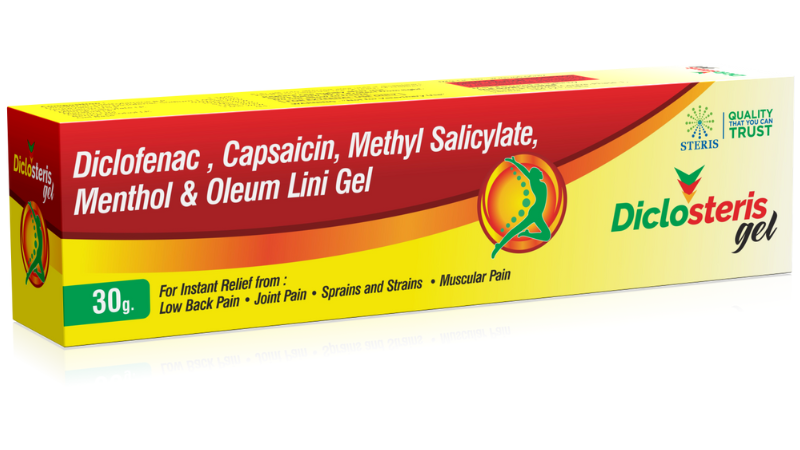



Diclosteris Gel: Uses, Side Effects, and Application Guidelines
Mar 26, 2024
If you've ever pulled a muscle reaching for something on a top shelf, tweaked your lower back lifting a grocery bag the wrong way, or woken up with a knee that refuses to bend without protest, you already know how disruptive musculoskeletal pain can be. Diclosteris Gel, manufactured by Steris Healthcare, is a topical pain-relief gel formulated with a combination of diclofenac diethylamine, linseed oil, methyl salicylate, and menthol — four ingredients that work together to target pain, inflammation, and stiffness right where you feel it, without the need to swallow a tablet.
Diclofenac gel is applied directly to the skin over the affected joint or muscle, which means it works locally rather than circulating through your entire bloodstream the way oral painkillers do. This makes it a preferred choice for people dealing with everyday aches — sports injuries, backaches, arthritis flare-ups, sprains, and stiff shoulders — who want targeted relief with a lower risk of the systemic side effects associated with oral NSAIDs.
This article walks through what the diclofenac diethylamine linseed oil methyl salicylate and menthol gel is used for, how it works, its benefits, possible side effects, dosage guidance, and precautions—so you can make an informed decision about whether it fits your pain-management routine. As always, this is educational content, not a substitute for advice from a licensed physician or pharmacist.
Why It's Important
Musculoskeletal pain is one of the most common reasons people seek over-the-counter relief worldwide. Whether it's from sitting at a desk for eight hours a day, playing weekend sports, or simply the natural wear and tear that comes with aging joints, pain in the muscles and joints affects daily productivity, sleep quality, and overall quality of life.
Topical analgesic gels like Diclosteris Gel matter because they offer a middle path between doing nothing and reaching for an oral tablet every time discomfort strikes. Oral NSAIDs, while effective, are absorbed systemically and can affect the stomach lining, kidneys, or cardiovascular system with frequent use. A well-formulated topical gel, on the other hand, allows the active ingredients to penetrate the skin and act directly at the site of pain and inflammation, which is why doctors and pharmacists frequently recommend topical diclofenac-based gels as a first-line option for localized pain, especially for people who cannot tolerate oral NSAIDs or who want to minimize their exposure to systemic medication.
The multi-ingredient composition of Diclosteris Gel is also significant. Rather than relying on a single active ingredient, it combines an NSAID (diclofenac diethylamine) with a natural anti-inflammatory carrier (linseed oil) and two counterirritants (methyl salicylate and menthol) that enhance the sensation of relief and may improve local blood flow to the area. This layered approach is why combination gels of this type have become a staple in home medicine cabinets and sports first-aid kits alike.
Key Benefits
What Are the Benefits?
- Localized anti-inflammatory action – Diclofenac diethylamine is a well-established NSAID that inhibits the enzymes (COX-1 and COX-2) responsible for producing prostaglandins, the chemical messengers that drive pain and swelling. Applied topically, it targets inflammation at the source.
- Enhanced skin penetration – Linseed oil (virgin linseed oil) acts as a natural emollient and penetration enhancer, helping the active NSAID absorb more effectively through the skin barrier while also offering its own mild soothing, moisturizing properties.
- Fast-acting cooling and warming sensation – Menthol produces an immediate cooling sensation on contact, which can help distract from acute pain and reduce the perception of discomfort almost instantly.
- Counterirritant effect for deeper relief – Methyl salicylate works as a rubefacient, gently warming the skin and improving local circulation, which many users find helpful for deep muscular stiffness.
- Non-oral, non-invasive relief – Because it's applied directly to the skin, it avoids first-pass metabolism through the liver and reduces the gastrointestinal burden associated with swallowing NSAIDs.
- Quick absorption, minimal greasiness – Most users report that the gel absorbs quickly, leaves minimal residue, and doesn't stain clothing the way some oil-based balms do.
- Convenient for on-the-go use – Athletes, gym-goers, and people with physically demanding jobs often keep a tube on hand for quick application after strain or overexertion.
- Supports mobility during recovery – By reducing pain and stiffness, the gel can make it easier to continue light movement and physiotherapy exercises, which are often important for recovery from soft-tissue injuries.
Uses of Diclofenac Diethylamine, Linseed Oil, Methyl Salicylate and Menthol Gel
The diclofenac diethylamine, linseed oil, methyl salicylate, and menthol gel uses span a fairly broad range of musculoskeletal and joint-related conditions, including
- Osteoarthritis and localized joint pain
- Rheumatoid arthritis-related joint discomfort (as an adjunct to prescribed treatment)
- Muscle strains and sprains
- Back pain and lower back stiffness
- Frozen shoulder and shoulder stiffness
- Sports injuries, including minor ligament sprains
- Tendonitis and soft tissue inflammation
- Post-exercise muscle soreness
- Stiffness associated with cervical spondylosis
Mechanism of action
When applied to the skin, diclofenac diethylamine penetrates the epidermis and underlying soft tissue, where it inhibits cyclooxygenase (COX) enzymes. This blocks the synthesis of prostaglandins—the compounds responsible for triggering pain signals and the inflammatory cascade (redness, swelling, and heat) at the injury site. Because diclofenac is delivered directly to the affected area rather than through the bloodstream, a meaningful concentration builds up locally in the muscle and joint tissue while systemic absorption remains comparatively low.
Linseed oil, used here as a carrier and adjunct, is rich in alpha-linolenic acid (an omega-3 fatty acid), which has been studied for its own mild anti-inflammatory and skin-conditioning properties, and it also helps the gel base spread evenly and penetrate the skin more efficiently.
Methyl salicylate and menthol act through a different pathway — they stimulate sensory receptors in the skin (including TRPM8 receptors for menthol's cooling effect) that create competing sensations of warmth and cold. This counterirritant effect doesn't just feel soothing; it can help modulate the way pain signals are perceived by the nervous system, offering an added layer of symptomatic relief on top of diclofenac's anti-inflammatory action.
Together, this combination is designed to address both the underlying inflammation and the immediate sensory experience of pain—which is part of why combination gels are often preferred over single-ingredient formulations for everyday aches.
Side Effects
Like any topical medication, Diclosteris gel can cause side effects in some individuals, though these are generally mild and localized when the product is used as directed.
Common side effects may include:
- Mild burning, tingling, or stinging sensation at the application site
- Redness or localized skin irritation
- Dryness or peeling of the skin
- Itching
- A cooling or warming sensation that some users find uncomfortable initially
These effects are usually temporary and subside as the skin adjusts, but if irritation is severe or persistent, discontinue use and consult a doctor or pharmacist.
Available Substitutes
If Diclosteris Gel isn't suitable for you, or you're comparing options, other topical NSAID-based gels in the same therapeutic category include diclofenac sodium gels, diclofenac diethylamine gels from other manufacturers, piroxicam gel, ibuprofen topical gels, and other combination gels containing methyl salicylate and menthol. Substitution should always be discussed with a pharmacist or doctor, since formulation strength, additional ingredients, and skin sensitivity can vary between brands.
Dosage Guidelines
- Apply a thin layer of the gel over the affected area, gently massaging until absorbed.
- Typically used 3 to 4 times a day, or as directed by a physician, depending on the severity of the pain.
- Wash hands thoroughly after application (unless the hands are the area being treated).
- Avoid applying to broken skin, open wounds, infected areas, or mucous membranes (eyes, mouth, and nose).
- Do not use an occlusive dressing (airtight bandage) over the applied area unless specifically advised by a doctor, as this can increase systemic absorption.
- Avoid exceeding the recommended frequency or duration of use without medical guidance — prolonged, unsupervised use is not advised.
- Not typically recommended for children under 12 years of age without medical supervision.
This is general guidance only. Always follow the dosage instructions on the product label or as prescribed by your treating physician, since individual needs can vary based on age, condition severity, and medical history.
Precautions & Warnings
- Pregnancy and breastfeeding: Consult a doctor before use, particularly during the third trimester of pregnancy, as NSAIDs (even topical ones) are generally avoided during this period.
- Existing skin conditions: Avoid use on eczema, psoriasis patches, cuts, or infected skin.
- Asthma or NSAID sensitivity: People with a known history of asthma, nasal polyps, or allergic reactions to aspirin or other NSAIDs should use this gel only under medical supervision, as cross-sensitivity reactions are possible.
- Avoid sun exposure on treated skin: Some topical NSAIDs can increase photosensitivity; consider covering treated areas or avoiding prolonged sun exposure.
- Do not combine with oral NSAIDs without medical advice: Using this gel alongside oral pain relievers like ibuprofen, diclofenac, or aspirin may increase the risk of systemic side effects.
- Keep away from eyes, mouth, and mucous membranes.
- Do not use on large areas of the body or for prolonged periods without consulting a healthcare provider, as this raises the risk of systemic absorption.
- Elderly patients and those with kidney, liver, or cardiovascular conditions should consult a doctor before regular use.
- Store in a cool, dry place, away from direct sunlight and out of reach of children.
- Discontinue and consult a doctor if pain persists beyond 7 days of regular use or if symptoms worsen.
Frequently Asked Questions
1. What is Diclofenac Gel used for?
Diclofenac gel is used for the relief of pain, swelling, and stiffness associated with muscle strains, sprains, back pain, arthritis, and other minor musculoskeletal injuries.
2. What is the composition of Diclosteris Gel?
Diclosteris Gel contains diclofenac diethylamine, linseed oil, methyl salicylate, and menthol as its key active ingredients.
3. How do diclofenac diethylamine, linseed oil, methyl salicylate, and menthol gel work?
It works by inhibiting COX enzymes to reduce inflammation locally (via diclofenac), enhancing absorption through the skin (via linseed oil), and creating a soothing warming-cooling sensation that helps modulate pain perception (via methyl salicylate and menthol).
4. How many times a day should I apply Diclofenac Gel?
It is typically applied 3 to 4 times a day, or as directed by your doctor or the product label.
5. Can I use Diclosteris Gel for knee pain?
Yes, it is commonly used for localized knee pain caused by arthritis, minor injury, or overuse, applied directly to the skin over the knee joint.
6. Is Diclosteris Gel safe for daily use?
It's generally safe for short-term daily use as directed, but prolonged use beyond 7 days without medical advice is not recommended.
7. Can pregnant women use this gel?
Pregnant women, especially in the third trimester, should consult a doctor before using this gel, as NSAIDs are generally avoided during pregnancy unless specifically advised.
8. What are the common side effects of this gel?
Common side effects include mild skin irritation, burning or tingling sensation, redness, and dryness at the application site.
9. Can Diclosteris Gel be used for back pain?
Yes, it is frequently used to relieve lower and upper back pain caused by muscle strain, stiffness, or minor injury.
10. Is a prescription required to buy Diclosteris Gel?
This varies by region and local regulations; some topical diclofenac gels are available over-the-counter, while others may require a prescription. Check with your local pharmacy.
11. What is the price of Diclosteris Gel?
Pricing can vary by tube size, region, and retailer. Check with Steris Healthcare's official distributors or your local pharmacy for current pricing.
12. Can I use this gel along with oral painkillers?
It's best to consult a doctor before combining topical and oral NSAIDs, as this can increase the risk of systemic side effects.
13. Is this gel suitable for sports injuries?
Yes, it is often used by athletes for minor sprains, strains, and post-exercise muscle soreness.
14. Can children use Diclofenac Gel?
It's generally not recommended for children under 12 without a doctor's guidance.
15. What should I avoid while using this gel?
Avoid applying it to broken or infected skin, near the eyes or mouth, under airtight bandages, or in combination with excessive sun exposure on the treated area.
16. How long does it take for the gel to start working?
Many users report a cooling or soothing sensation within minutes of application, while the anti-inflammatory effects of diclofenac typically build over consistent use across several days.
17. What is a good substitute if this gel doesn't suit me?
Alternatives include other diclofenac-based topical gels, piroxicam gel, or ibuprofen gel—but always consult a pharmacist before switching products.
18. Can this gel be used for frozen shoulder?
Yes, it is often used to help relieve stiffness and discomfort associated with frozen shoulder, alongside prescribed physiotherapy.
19. Does this gel have a strong smell?
Due to methyl salicylate and menthol, the gel typically has a noticeable medicated, minty scent, which fades after absorption.
20. What should I do if I miss applying a dose?
Simply apply it at the next scheduled time; there's no need to double up, since this is a topical, symptom-based treatment rather than a fixed-schedule medication.
Conclusion
Diclosteris Gel from Steris Healthcare brings together diclofenac diethylamine, linseed oil, methyl salicylate, and menthol in a single topical formulation designed to address both the inflammatory and sensory components of everyday muscle and joint pain. Its combination approach — an NSAID for targeted anti-inflammatory action, linseed oil for enhanced skin penetration, and menthol with methyl salicylate for immediate soothing relief — makes it a versatile option for conditions ranging from sports injuries and back pain to arthritis-related stiffness.
That said, no topical medication is entirely risk-free, and using it correctly — in the right dose, on the right areas, and for the right duration — matters as much as choosing the right product. If your pain is severe, persistent beyond a week, or accompanied by swelling, fever, or other unusual symptoms, it's important to consult a doctor rather than relying on self-medication alone. Used appropriately, Diclosteris Gel can be a practical, fast-acting addition to your pain-management routine for everyday muscular and joint discomfort.
For Further Information:
Mail Us: contact@sterispharma.com or info@sterispharma.com
Call Now: +91 8824175417 or +91 9982524671
Recent Post
Semaglutide 4mg vs Pancreatitis Risk: What Doctors Want You to Know
Semaglutide 8mg Injection: Frequently Asked Questions Answered by Experts
Mycophenolate Mofetil 500mg (Mycofortic M 500): Uses, Benefits & Precautions – Complete Guide
What is Bisogard 1.25? Bisoprolol 1.25mg Uses, Dosage & Side Effects Explained
Can Semaglutide Injection Be Used Without Diabetes?
What Are Nintedanib Soft Gelatin Capsules Used For? Complete Guide
Where to Buy Semaglutide Injection in India: Price, Pen & Prescription Guide
ERITOCOX BENZ 60/5 Dosage Guide: How to Take Etoricoxib & Cyclobenzaprine Tablets Safely
Gabapentin and Methylcobalamin Tablets Side Effects: What Patients Should Know
Thyroxine sodium tablets IP: उपयोग, फायदे और साइड इफेक्ट्स

