





MENEROPEN 500 IV : Uses, Dosage, Potential Side Effects, and Current Trends
Jul 29, 2024
MENEROPEN 500 IV is a potent, broad-spectrum antibiotic formulated with Meropenem 500 mg, belonging to the carbapenem class. This injectable antibiotic is widely recognized for its rapid bactericidal activity against both Gram-positive and Gram-negative bacteria, including multidrug-resistant strains.
Meropenem works by inhibiting bacterial cell wall synthesis, leading to cell death and effective infection control. The 500 mg IV formulation ensures fast systemic distribution, making it ideal for hospitalized patients with moderate to severe infections.
MENEROPEN 500 IV is commonly used in the management of respiratory tract infections, complicated urinary tract infections, intra-abdominal infections, septicemia, and skin infections. Its formulation meets high-quality standards, guaranteeing purity, potency, and safety, making it a trusted choice among healthcare professionals.
Uses
1. Complicated Intra-Abdominal Infections
MENEROPEN 500 IV effectively treats peritonitis, appendicitis-related infections, and abdominal abscesses, particularly those caused by resistant pathogens.
2. Severe Respiratory Tract Infections
Used for community-acquired and hospital-acquired pneumonia, including ventilator-associated pneumonia caused by multidrug-resistant bacteria.
3. Urinary Tract Infections (UTIs)
Prescribed for complicated or severe UTIs and pyelonephritis, especially in patients requiring hospitalization.
4. Bloodstream Infections (Septicemia)
Effective in managing bacteremia and septicemia, significantly reducing mortality in critically ill patients.
5. Skin and Soft Tissue Infections
Used for serious infections caused by Staphylococcus aureus, Streptococcus species, and resistant Gram-negative bacteria.
6. Bone and Joint Infections
Effective against osteomyelitis and post-surgical joint infections, providing targeted bactericidal action.
7. Central Nervous System Infections
In selected cases, Meropenem 500 mg IV is utilized for bacterial meningitis, with proper medical supervision.
Benefits
1. Broad-Spectrum Antibacterial Activity
Effective against Gram-positive, Gram-negative, and anaerobic bacteria, including multidrug-resistant strains.
2. Rapid Onset of Action
Intravenous administration ensures quick therapeutic levels, essential in severe infections.
3. Efficacy Against Resistant Bacteria
Meropenem combats ESBL-producing bacteria, Pseudomonas aeruginosa, and other resistant pathogens, reducing treatment failures.
4. Versatile Clinical Applications
Treats a wide range of infections including respiratory, urinary, abdominal, skin, and bloodstream infections.
5. Low Resistance Risk
Meropenem has high stability against beta-lactamase enzymes, minimizing antibiotic resistance.
6. Well-Tolerated Profile
Generally safe with side effects that are mild and manageable in hospital settings.
7. Supports Critical Care Management
Ideal for ICU patients and emergency care, providing a reliable solution for severe bacterial infections.
Dosage
1. Adult Dosage
-
Standard dose: 500 mg every 8 hours via slow intravenous injection or infusion.
-
Dose adjustment may be needed based on infection severity and renal function.
2. Pediatric Dosage
-
Pediatric dosing is weight-based, usually 10–40 mg/kg every 8 hours depending on the infection.
3. Administration Method
-
Administer as IV infusion over 15–30 minutes or slow IV injection.
-
Reconstitute with sterile water or compatible diluent.
4. Duration of Therapy
-
Typically 7–14 days, may extend for severe infections or resistant pathogens.
5. Dose Adjustment in Renal Impairment
-
Modify dosage in patients with renal insufficiency. Monitor renal function during therapy.
6. Missed Dose
-
Administer as soon as possible; do not double doses to compensate for missed doses.
7. Combination Therapy
-
May be combined with other antibiotics if clinically indicated, under physician supervision.
Side Effects
While generally well-tolerated, potential side effects include:
Common Side Effects
-
Nausea and vomiting
-
Diarrhea or loose stools
-
Headache
-
Local injection site pain or redness
Moderate Side Effects
-
Rash or mild allergic reactions
-
Mild fever
-
Elevated liver enzymes (transient)
Serious Side Effects
-
Severe allergic reactions (anaphylaxis)
-
Clostridium difficile-associated diarrhea
-
Blood disorders (leukopenia, thrombocytopenia)
-
Seizures in patients with CNS disorders or renal impairment
Precautions and Warning
1. Allergies
-
Avoid use in patients with a history of penicillin or carbapenem allergy.
2. Kidney and Liver Function
-
Dose adjustments are required in renal impairment.
-
Monitor kidney and liver function during prolonged therapy.
3. Pregnancy and Lactation
-
Use only under medical supervision; safety during pregnancy or breastfeeding is not well established.
4. Drug Interactions
-
Monitor interactions with valproic acid and other nephrotoxic or hepatotoxic drugs.
5. Avoid Self-Medication
-
Must be administered by healthcare professionals. Self-medication may lead to resistance or treatment failure.
6. Prolonged Use Monitoring
-
Regular blood counts and kidney function tests are recommended for extended therapy.
7. Storage
-
Store at 2–8°C before reconstitution. Protect from light; discard after use as per guidelines.
Conclusion
MENEROPEN 500 IV (Meropenem 500 mg Injection) is a potent and reliable antibiotic solution for moderate to severe bacterial infections, including those caused by multidrug-resistant pathogens. Its rapid bactericidal activity, broad-spectrum efficacy, and versatility in treating respiratory, urinary, abdominal, and bloodstream infections make it indispensable in hospital and critical care settings.
Frequently Asked Questions (FAQs)
1. What is MENEROPEN 500 IV used for?
It treats serious infections such as pneumonia, intra-abdominal infections, urinary tract infections, septicemia, skin and soft tissue infections, and bone infections.
2. How is MENEROPEN 500 IV administered?
It is given intravenously via slow infusion or injection, typically every 8 hours.
3. Can children use MENEROPEN 500 IV?
Yes, pediatric dosing is weight-based and must be prescribed by a physician.
4. Are there side effects?
Common side effects include nausea, diarrhea, headache, and injection site reactions. Rare serious effects include seizures and blood disorders.
5. Can pregnant or breastfeeding women take it?
Only under strict medical supervision.
6. Is monitoring needed during therapy?
Yes, especially for prolonged therapy—monitor renal function, liver function, and blood counts.
7. Can it be combined with other antibiotics?
Yes, but only under professional guidance.
8. How long does it take to work?
Clinical improvement may begin within 1–3 days, but complete the prescribed course.
9. Can it be self-administered at home?
No, it requires hospital or professional supervision.
10. How should the injection be stored?
Store at 2–8°C before reconstitution, protect from light, and discard after preparation as per guidelines.
Recent Post

Is semaglutide injection safe for weight loss?
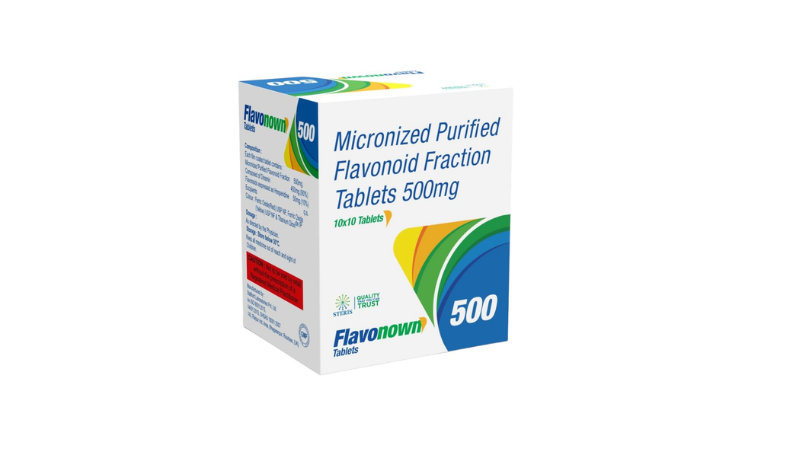
Micronized Purified Flavonoid Fraction 500 mg Uses in Hindi: उपयोग, सही खुराक और साइड इफेक्ट्स

Palmitoylethanolamide: Uses, Benefits, Dosage & Side Effects
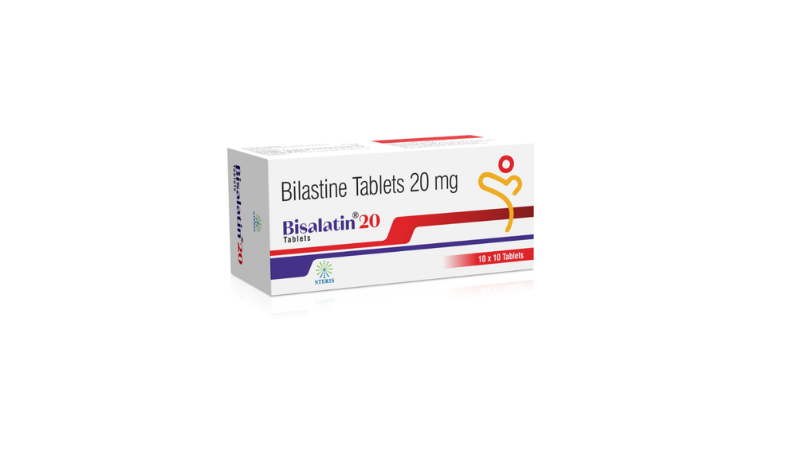
Bilastine 20 mg Tablet Uses in Hindi: उपयोग, सही खुराक और साइड इफेक्ट्स
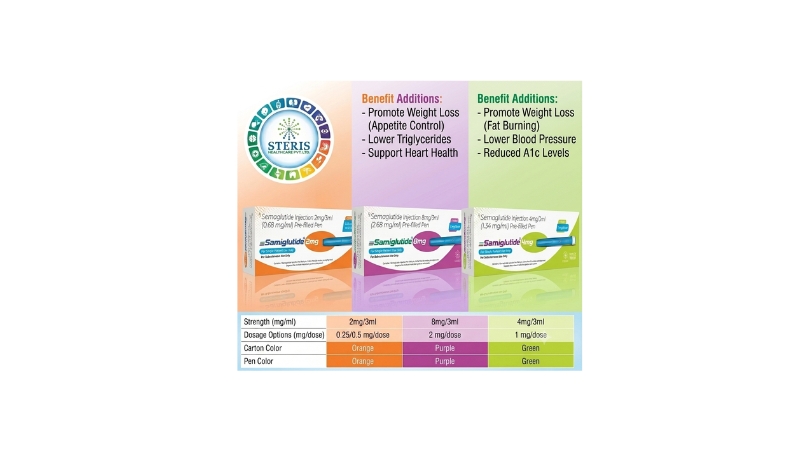
Semaglutide Injection in Hindi: Uses, Dosage, Side Effects और Price
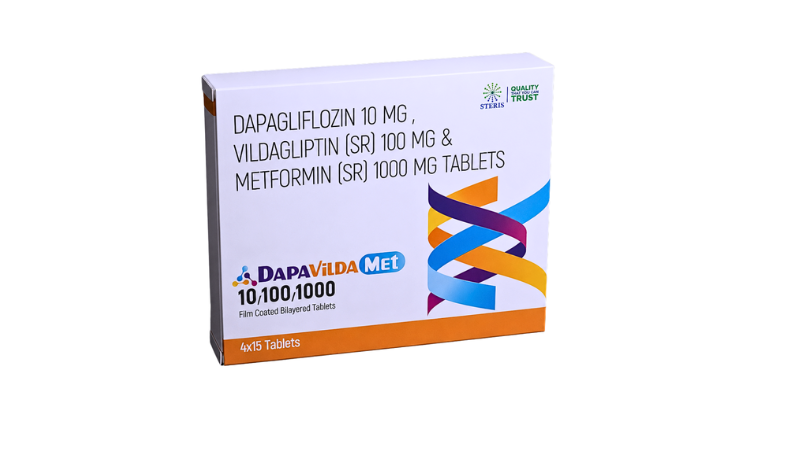
Dapagliflozin, Vildagliptin & Metformin 1000mg की पूरी जानकारी
Dapagliflozin 10mg + Vildagliptin 100mg + Metformin 500mg: ट्रिपल-एक्शन दवा कैसे करती है शुगर कंट्रोल?

Glimepiride 2mg, Metformin 500mg और Voglibose 0.2mg दवा कब और कैसे लें? पूरी जानकारी

Empagliflozin 10 mg Tablet: टाइप 2 डायबिटीज और दिल की सेहत के लिए क्यों है खास?

Amlodipine 5 mg + Telmisartan 40 mg + Metoprolol 50 mg: उपयोग, फायदे और खुराक