


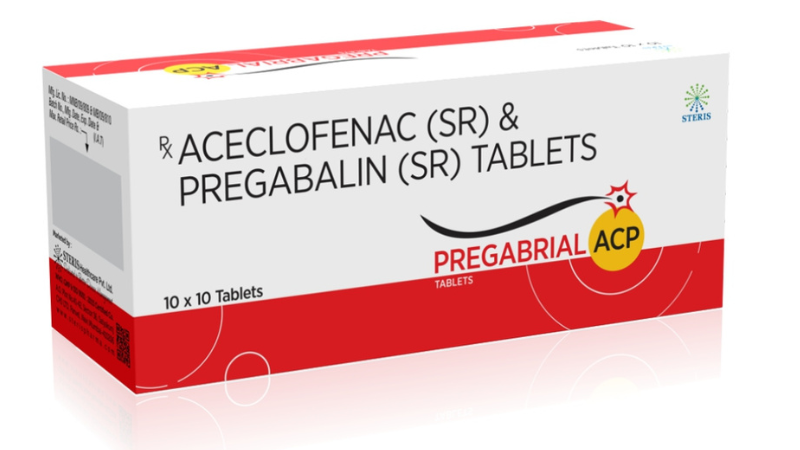



Pregabrial ACP : Uses, Side effects, Interactions, Pictures,and more…
Apr 30, 2024
Pregabrial ACP
For patients experiencing joint pain, nerve pain, or chronic musculoskeletal discomfort, aceclofenac pregabalin offers an effective combination therapy. Marketed as PREGABRIAL ACP, this medication combines the pain-relieving benefits of aceclofenac with the nerve-calming effects of pregabalin, providing comprehensive relief for acute and chronic pain conditions.
Patients prescribed aceclofenac pregabalin often notice significant improvement in pain, reduced inflammation, and better mobility. The aceclofenac pregabalin tablet is designed for easy administration and consistent therapeutic effect, making it suitable for long-term pain management under medical supervision.
What is Aceclofenac Pregabalin?
Aceclofenac pregabalin is a combination medication that includes:
-
Aceclofenac, a non-steroidal anti-inflammatory drug (NSAID) that reduces pain and inflammation
-
Pregabalin, a nerve pain modulator that helps control neuropathic pain
This dual-action mechanism makes aceclofenac pregabalin tab effective for patients suffering from osteoarthritis, rheumatoid arthritis, back pain, sciatica, or neuropathic pain.
The aceclofenac pregabalin tablet is formulated for precise dosing, ensuring patients get optimal relief with minimal side effects.
Uses of Aceclofenac Pregabalin
The primary aceclofenac pregabalin tablet uses include:
-
Relief from joint and musculoskeletal pain
-
Management of nerve-related pain (neuropathy, sciatica)
-
Reducing inflammation in conditions like osteoarthritis and rheumatoid arthritis
-
Improving mobility and daily functioning for chronic pain sufferers
The aceclofenac pregabalin tab is prescribed based on individual patient needs, medical history, and severity of symptoms.
How Aceclofenac Pregabalin Works
Aceclofenac pregabalin works by combining two complementary mechanisms:
-
Aceclofenac blocks enzymes that produce pro-inflammatory chemicals, reducing swelling, pain, and stiffness.
-
Pregabalin modulates nerve activity, preventing the transmission of pain signals to the brain.
This dual action ensures that both inflammatory and neuropathic pain are effectively managed, offering faster and longer-lasting relief than single-agent therapy.
Dosage and Administration
-
Recommended dose: As prescribed by a healthcare provider, typically one or two aceclofenac pregabalin tablets daily depending on pain severity.
-
Take the aceclofenac pregabalin tablet with water, preferably after meals to minimize stomach irritation.
-
Do not crush or chew the tablet unless directed.
-
Regular monitoring is advised for long-term use to assess efficacy and prevent side effects.
Side Effects of Aceclofenac Pregabalin
Common side effects may include:
-
Dizziness or drowsiness
-
Mild nausea or stomach discomfort
-
Headache or mild fatigue
Serious side effects (rare):
-
Severe allergic reactions
-
Liver or kidney issues
-
Excessive bleeding or swelling
-
Severe dizziness or irregular heartbeat
Contact your doctor immediately if any serious side effects occur while taking aceclofenac pregabalin.
Precautions
-
Patients with kidney or liver problems should use caution.
-
Avoid alcohol while taking aceclofenac pregabalin tablets as it can worsen drowsiness or dizziness.
-
Pregnant or breastfeeding women must consult a doctor before use.
-
Inform your healthcare provider about all other medications to avoid interactions.
Why Choose PREGABRIAL ACP from Steris Healthcare?
Steris Healthcare ensures patients receive high-quality, safe, and effective medications. Choosing PREGABRIAL ACP provides:
-
WHO-GMP certified production for safety and consistent quality
-
Dual-action relief for inflammatory and neuropathic pain
-
Affordable and widely accessible across India
-
Trusted by healthcare professionals for long-term pain management
-
Patient-focused approach with reliable and ethical standards
Frequently Asked Questions
Q1: What is aceclofenac pregabalin used for?
It is used to relieve joint, muscle, and nerve pain, reduce inflammation, and improve mobility in chronic pain conditions.
Q2: Can aceclofenac pregabalin be taken long-term?
Yes, under medical supervision, long-term use can be safe and effective for managing chronic pain.
Q3: How should I take aceclofenac pregabalin tablets?
Take the aceclofenac pregabalin tablet with water, preferably after meals, and follow the dosage prescribed by your doctor.
Q4: Are there side effects of aceclofenac pregabalin?
Common effects include dizziness, mild nausea, and headache. Serious effects are rare but require immediate medical attention.
Q5: Can I take aceclofenac pregabalin with other medications?
Always consult your healthcare provider to avoid interactions, especially with other pain medications or CNS depressants.
Conclusion
Aceclofenac Pregabalin is a powerful combination for managing inflammatory and nerve pain effectively. With Steris Healthcare, patients can trust high-quality, reliable, and safe medication that improves pain relief, mobility, and quality of life.
Recent Post

Methotrexate 15mg: Advanced Methotrexate Therapy Guide

Ursodeoxycholic Acid 450 mg: Complete Liver Health & Gallstone Treatment Guide

Rosuvastatin 20mg Clopidogrel 75mg Aspirin 75mg for Cholesterol & Blood Clot Control

Glimepiride 2mg Metformin SR 500mg Voglibose 0.2mg: Type 2 Diabetes Treatment Guide

Entecavir 0.5mg: हेपेटाइटिस B नियंत्रण के लिए प्रभावी समाधान

Telmisartan 80 mg And Amlodipine 5 mg Tablets: उच्च रक्तचाप के लिए प्रभावी उपचार

Nimodipine Tablets IP 60 mg: Uses, Benefits, Dosage, Mechanism of Action & Clinical Evidence

Ramipril 5 mg Tablet Price in India By Steris Healthcare.

Telmisartan And Indapamide Tablets – Uses, Benefits, Dosage & Side Effects in hindi

NILOTHERAPY 150 – उपयोग, फायदे, खुराक और साइड इफेक्ट्स की पूरी जानकारी

